
Our services
16 Years of Expert Groundworksin Burntwood & Surrounding Areas
Foundations dug to the depth the ground actually needs, drainage laid to the right fall, sub-bases compacted properly, the part of your project nobody sees again, done by a contractor who also carries the electrics and stands behind the work for a year.
16 years in construction · £5m public liability · 1-year guarantee
16 years
In the construction industry
NAPIT
Registered for electrical work
F-Gas
Certified for air conditioning
£5m
Public liability insurance
1 year
Guarantee on all trades
Groundworks in Staffordshire & the West Midlands
Groundworks is now one of the two trades the business leads with, and the reason Stretton Electrical became Stret. Sam looked after groundworks and construction alongside electrical work for years while running his father's company, so this is long-standing experience rather than a new sideline.
What the service covers
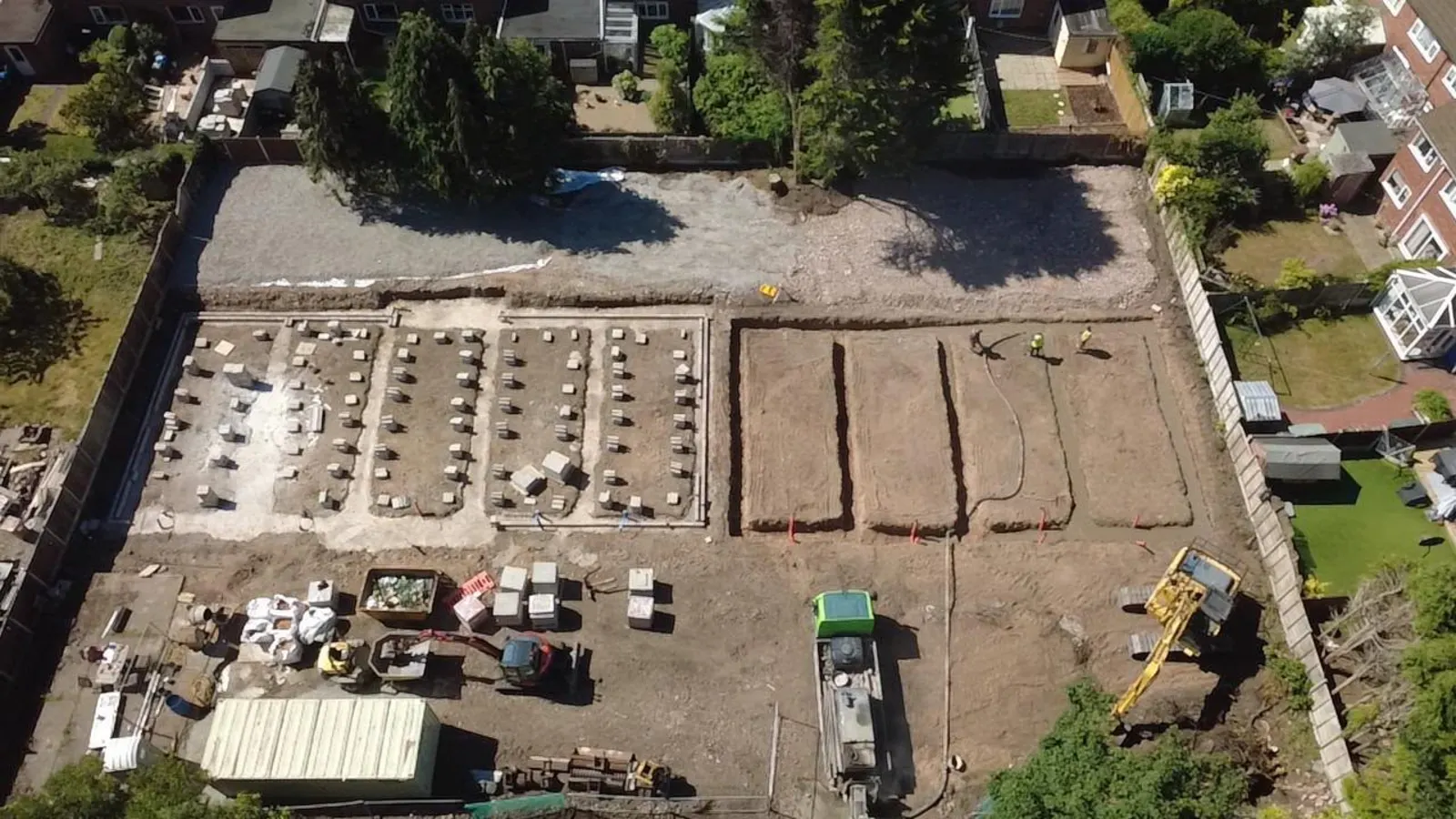
Groundworks is everything below and immediately around the finished build: site clearance and setting out, excavation and muck away, strip and trench-fill foundations, footings, foul and surface water drainage, soakaways and land drainage, inspection chambers and connections, ducting for services, compacted sub-bases for drives, patios and extensions, concrete slabs and oversites, and backfill.
This is one of the two trades the business leads with, and the reason Stretton Electrical became Stret Limited. Sam looked after groundworks and construction alongside electrical work for years while running his father's company, so it is long-standing experience rather than a recent addition. Every operative on site holds a current CSCS or ECS card.
Who it is for
Homeowners building an extension, a garden room or a garage. People replacing a drive or a patio who want it laid on something that will not sink in two winters. Anyone with drainage that backs up, ponds after rain or smells. Self-builders who need the groundworks package taken from setting out to oversite. And main contractors who need a groundworks team that turns up when it says it will.
When it is needed
At the start of any build, foundations and drainage come before everything else, and getting them wrong delays every trade behind them. Also when something has already gone wrong: a gully that will not clear, a manhole surcharging, standing water against a wall, a patio that has dropped away from the house, or cracking that points to movement below.
Wet weather is a useful diagnostic. If water stands where it never used to, something in the drainage or the ground has changed and it is worth looking at before winter rather than after it.
Why professional help matters
Groundworks is unforgiving because it is buried. A foundation taken to a depth that suits the digger rather than the ground will move. Drainage laid to the wrong fall will silt up and block, repeatedly, and no amount of rodding fixes a gradient. A sub-base that was not compacted in layers will settle, and the paving on top of it will tell you so.
It is also inspected work. Foundations and drainage on notifiable projects are checked at trench stage and at test stage, before they are covered. Getting that right first time is the difference between a signed-off job and one that comes back up.
The part of the job you never see again
Groundworks is unforgiving: levels, falls and compaction either hold up for decades or cause problems that cost far more to put right than they did to build. We set out properly, dig to the depth the ground actually requires, and bed drainage the way it should be bedded.
One contractor across the trades
Because we cover electrical work as well, ducting and supplies can be planned into the dig rather than chased afterwards. On larger projects Sam co-ordinates with the other trades on site, something customers have specifically praised.
What this covers
- Foundations and footings
- Excavation and muck away
- Foul and surface water drainage
- Soakaways and land drainage
- Sub-bases for drives, patios and extensions
- Concrete slabs and oversites
- Ducting for services
- Site clearance and preparation
What's at stake
What happens if it's left
Not scare tactics, these are the situations we are actually called out to fix, and what they cost once they escalate.
What happens if it is done badly or left alone
Foundations that are too shallow move with the ground's moisture content, seasonally at first, then permanently. The evidence arrives upstairs as cracking at openings, doors that stop closing and separation where the extension meets the original house. Nothing done to the brickwork fixes a foundation problem.
Blocked or badly laid drainage discharges where it should not. Water against a wall finds its way into the structure, and a soakaway in the wrong place saturates the ground next to the very foundation it sits beside.
Costs that escalate fast
Every groundworks defect has to be dug back up to be fixed, which means paying twice for the excavation and a third time for whatever was built on top: the slab, the paving, the landscaping, sometimes the wall. A trench that fails inspection stops every trade on site, and standing time costs more than the correction did.
Common mistakes we get called to
Pipe dropped straight onto spoil instead of being bedded and surrounded. Surface water routed into a foul system, or a soakaway sited too close to the building. Hardcore tipped and rolled once rather than compacted in layers. Tree roots ignored when setting foundation depth. Ducting forgotten, so a finished drive gets cut open for a cable six months later, the reason we plan ducting in while the trench is still open, because the electrics are our other trade.
Our process
How the job runs, start to finish
The same sequence every time, so you know what happens next and when.
Step 1
Look at the site
We walk the ground with you: access for machines and muck away, existing drainage runs, levels, trees, and what the soil is actually like. No two plots dig the same.
Step 2
Set out and agree levels
Lines, levels and falls are set out and checked against the drawings before anything is dug, including where spoil goes and where ducting needs to run.
Step 3
Excavate to the ground, not the plan
We dig to the depth the ground requires and tell you immediately if what comes out of the trench differs from what was expected.
Step 4
Lay, bed and compact
Pipework bedded and surrounded correctly, concrete poured to level, sub-bases compacted in layers, ducting in while the trench is open.
Step 5
Test, backfill and clear
Drainage tested and available for inspection before it is covered, levels confirmed, site left clear. The work carries a 1-year guarantee.
What you get
What this actually gives you
Every job carries 1-year guarantee on all work and is covered by our insurance.
Built to the ground conditions
Depth set by what the trench actually shows, not by what was assumed at quote stage, and you hear about any change the day it happens.
Drainage that keeps running
Correct falls, proper bedding and surround, and chambers where they can be accessed, so the system can be maintained instead of excavated.
Ready for inspection
Trenches and drainage presented open and tested, so sign-off does not become a reason to dig it up again.
Services planned in
Because electrical work is our other primary trade, ducting and supplies go in while the ground is open rather than through finished surfaces later.
Fewer gaps between trades
Sam co-ordinates with the other trades on site, something customers have specifically praised on renovation projects.
Insured and guaranteed
£5m public liability, £10m employer's liability, £250,000 professional indemnity, and a 1-year guarantee on all work.
In detail
Materials, methods and variations
The specifics behind the work, for anyone who wants to know exactly what they're buying.
Materials and methods
Foundations are either strip, a concrete base with masonry built off it, or trench fill, where concrete is brought close to ground level, which is faster to build off and often the sensible choice in deeper digs. Depth follows the ground: cohesive clays need to get below the zone that shrinks and swells with the seasons, and nearby trees push that deeper still.
Drainage is plastic or clay pipe on a granular bed with the correct surround, laid to a fall that moves the solids without outrunning the water. Foul and surface water are kept separate. Soakaways are sized for the area they take and sited well away from foundations. Sub-bases are graded stone laid and compacted in layers, with a geotextile separator where the subgrade is soft. Ducting is drawn in and capped before backfill.
Variations of the work
A full groundworks package takes a project from clearance through foundations, drainage and oversite to a slab ready for the next trade. Smaller packages are common too: footings for a garden room, a soakaway to take roof water away from a wall, a new gully and connection, a sub-base for a drive, or a slab for a hot tub, workshop or garage.
Remedial groundworks is its own category, finding why a drain keeps blocking, correcting a fall, re-laying a section that was never bedded, or underpinning-related excavation where a structural engineer has specified the work.
Situations this applies to
Extensions and outbuildings that need foundations tied sensibly to existing ones. Drives and patios where the finished level has to work with thresholds and drainage. Properties with clay soils and mature trees. Sites with restricted access, where machine size and muck away dictate the sequence. Older properties where the existing drainage layout is partly unknown until it is opened up.
Domestic and commercial differences
On domestic work the constraints are access and living conditions: keeping a drive usable, keeping spoil contained, keeping the house drainage in service while it is being altered. Commercial and main-contractor work adds programme dates, fixed inspection windows and documentation for the principal contractor. The setting out and compaction discipline does not change between them.
Because we also hold the electrical trade in-house, external supplies, charge point feeds and duct runs can be co-ordinated with the dig rather than negotiated afterwards.
Our work
A range of jobs we've carried out
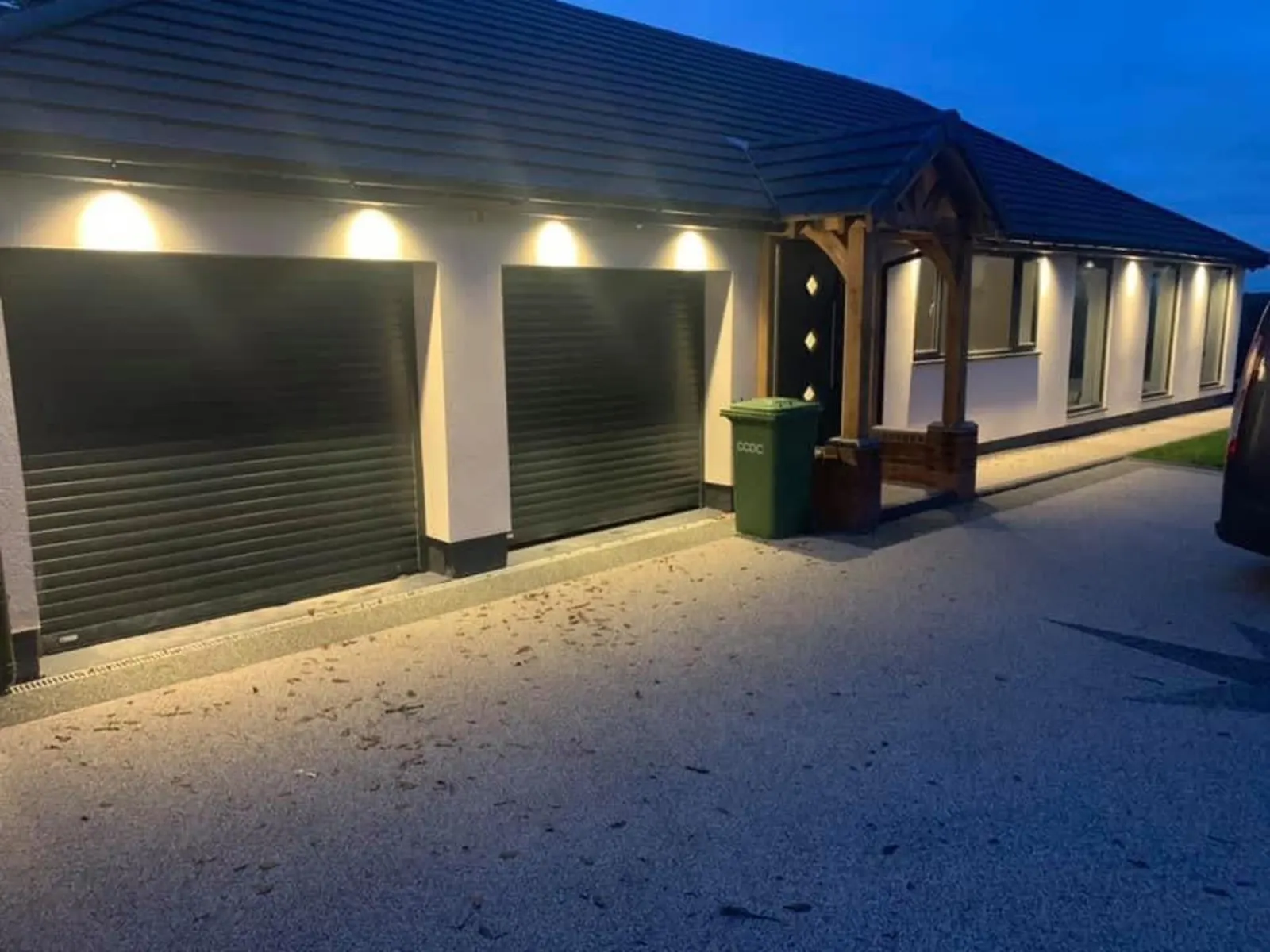
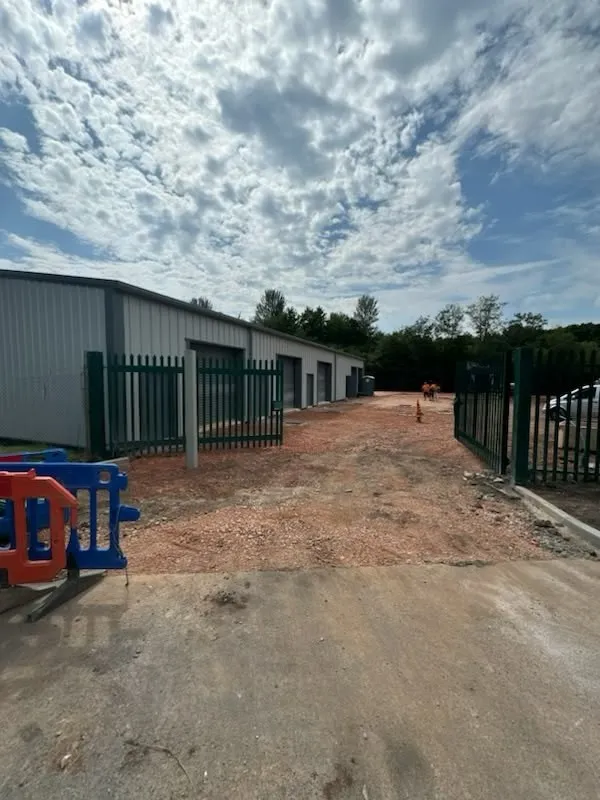
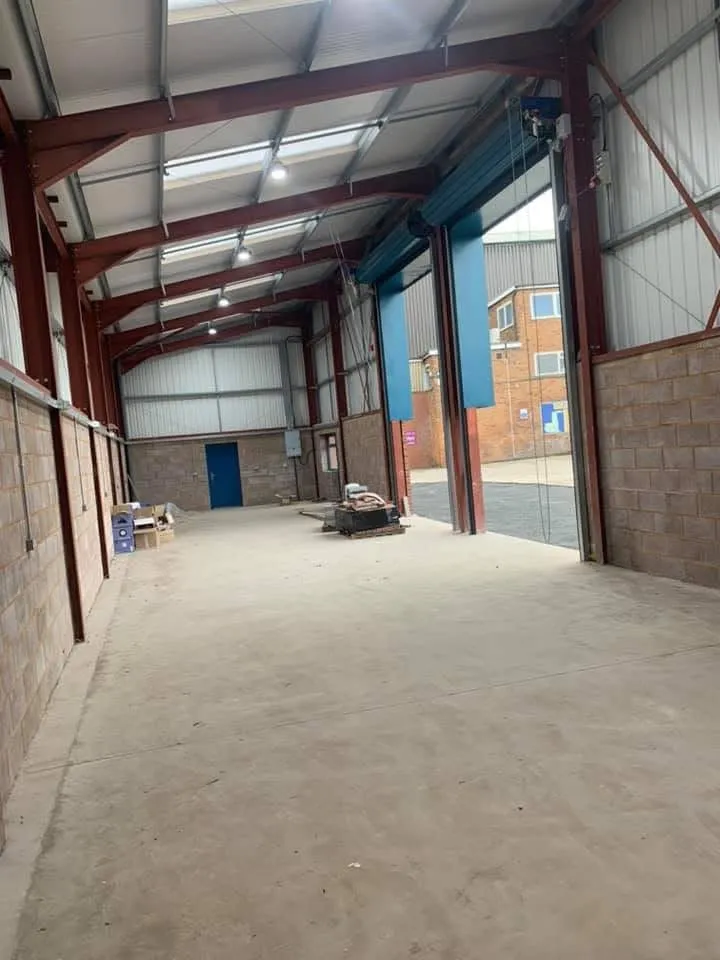
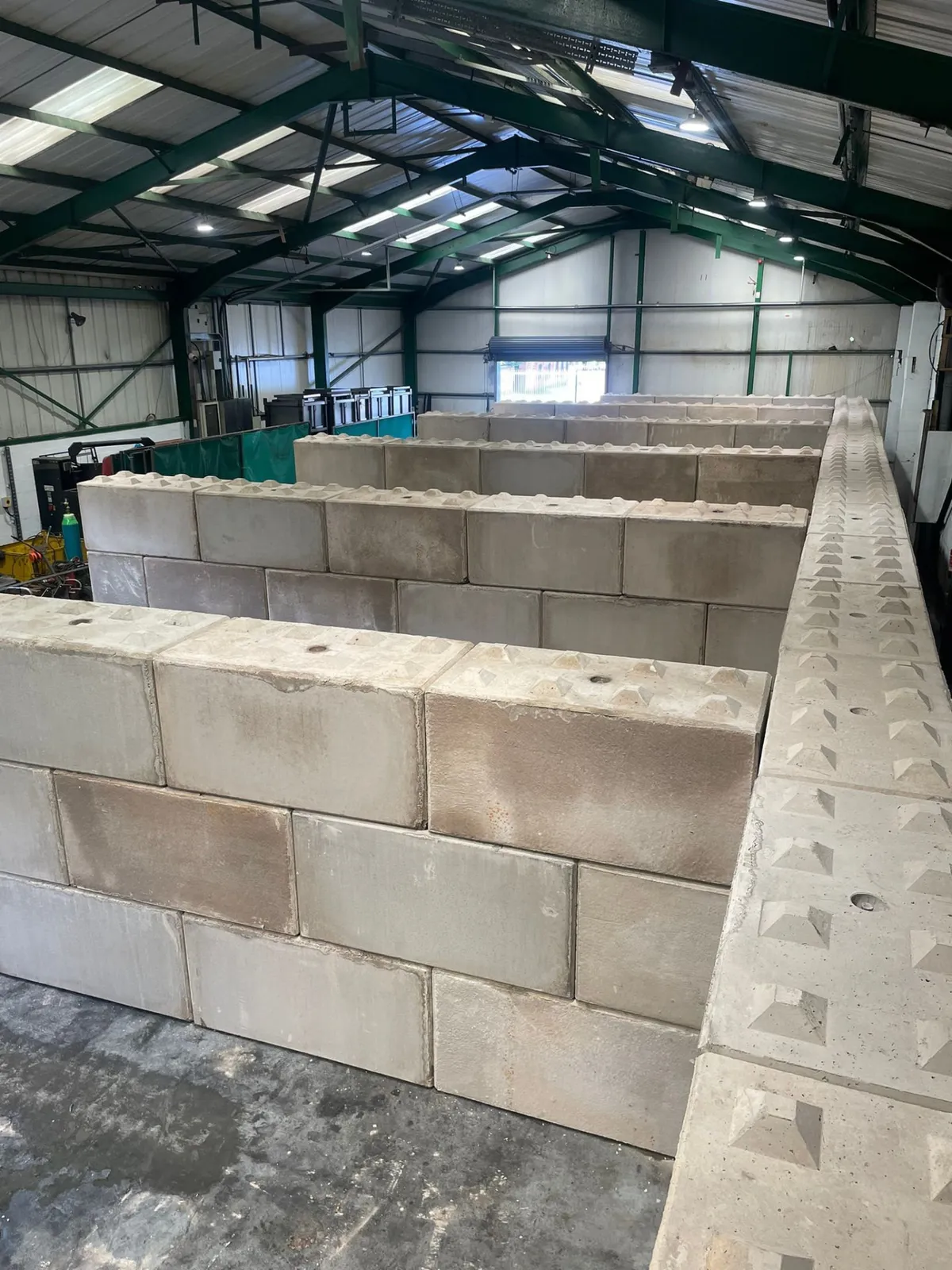
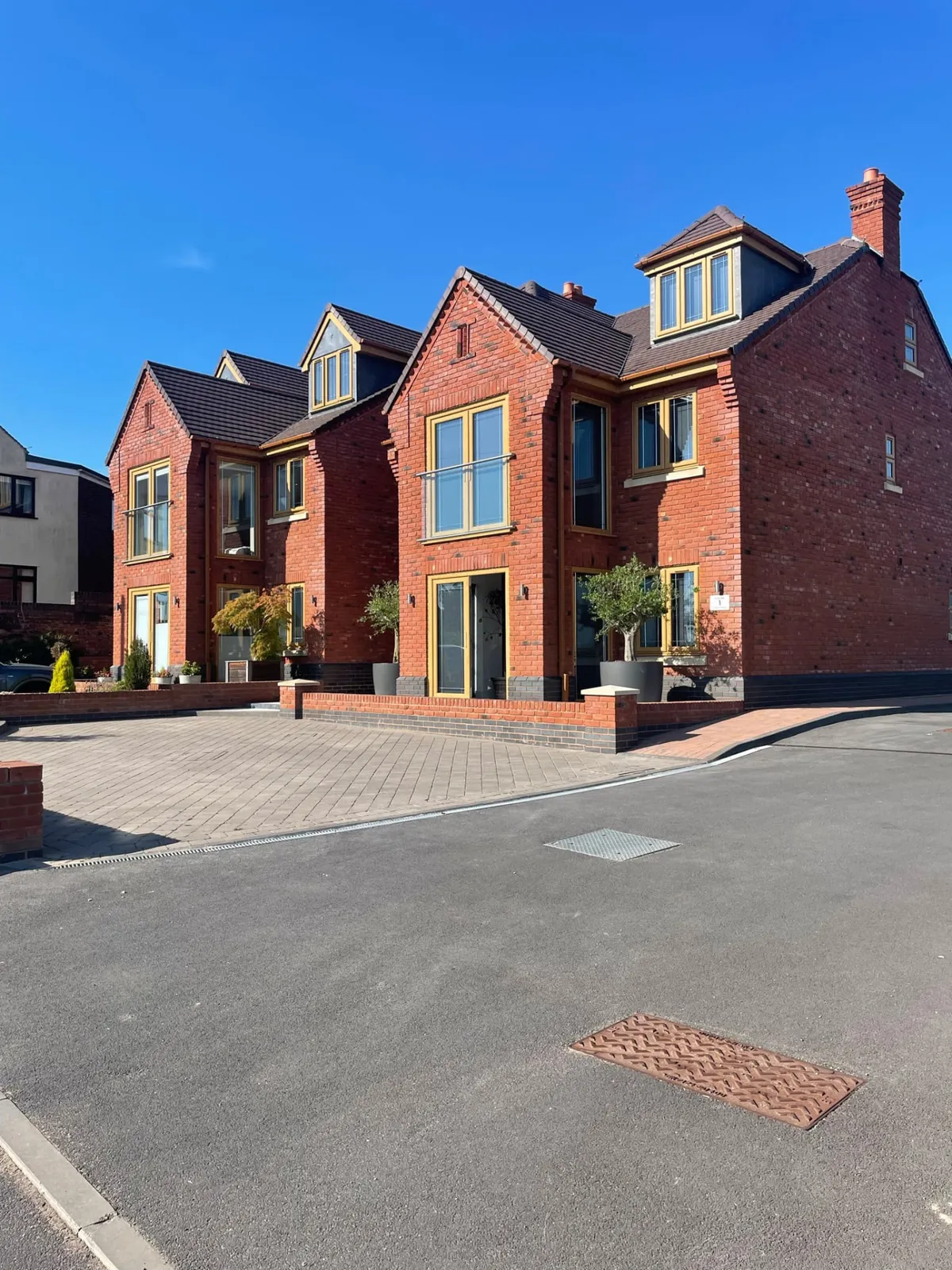
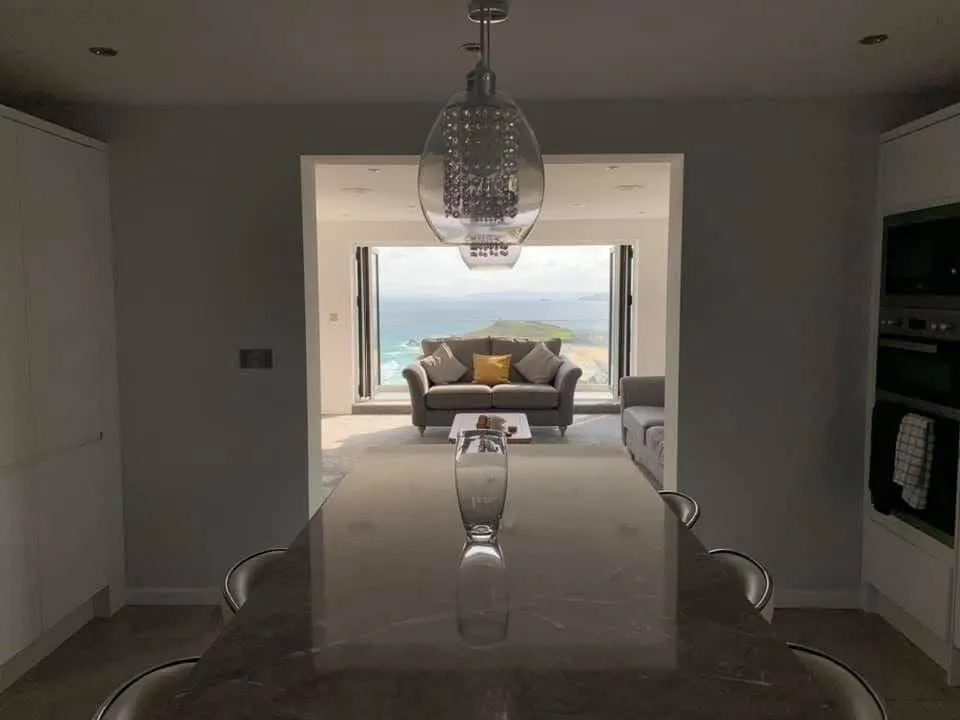
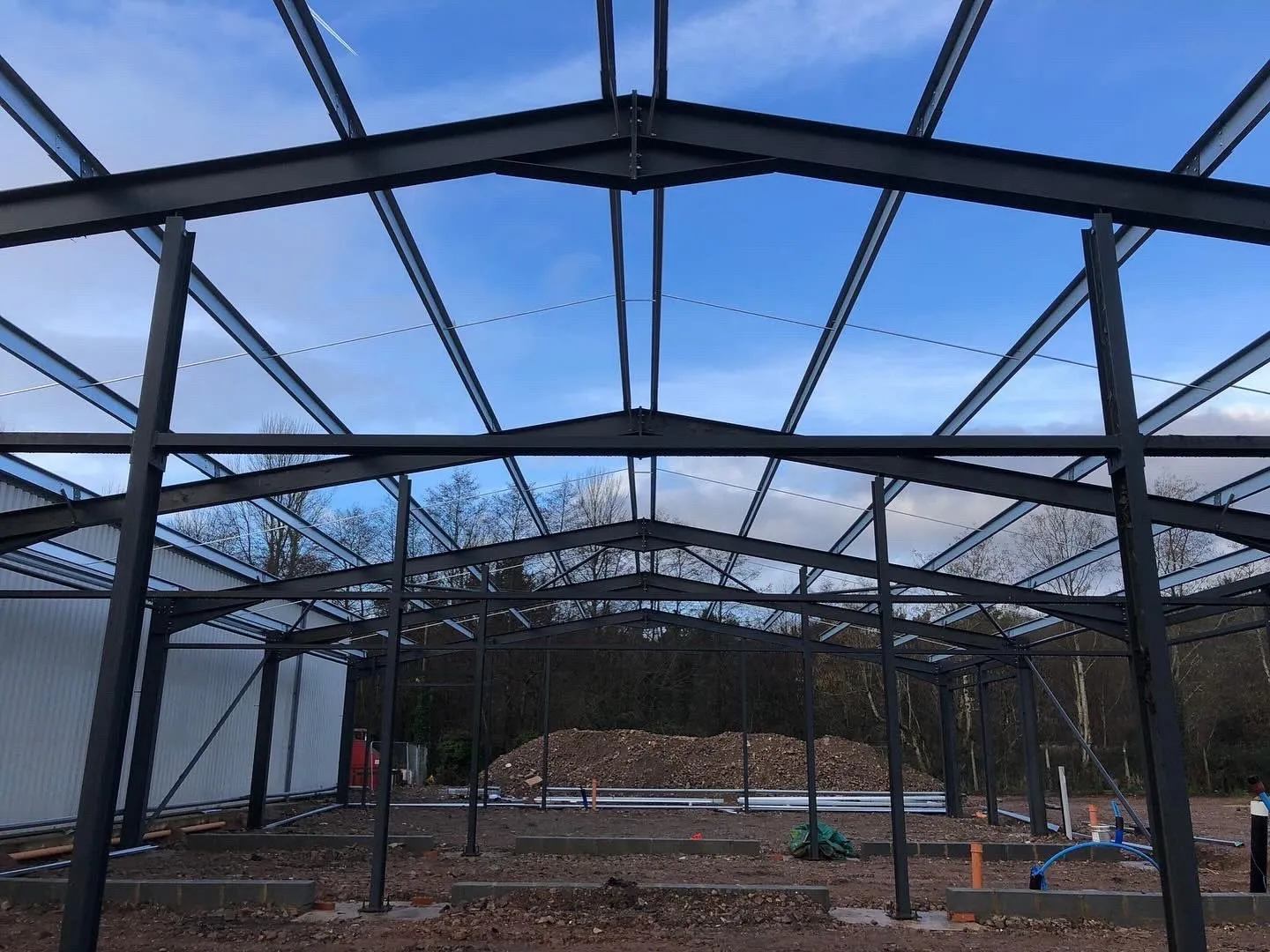
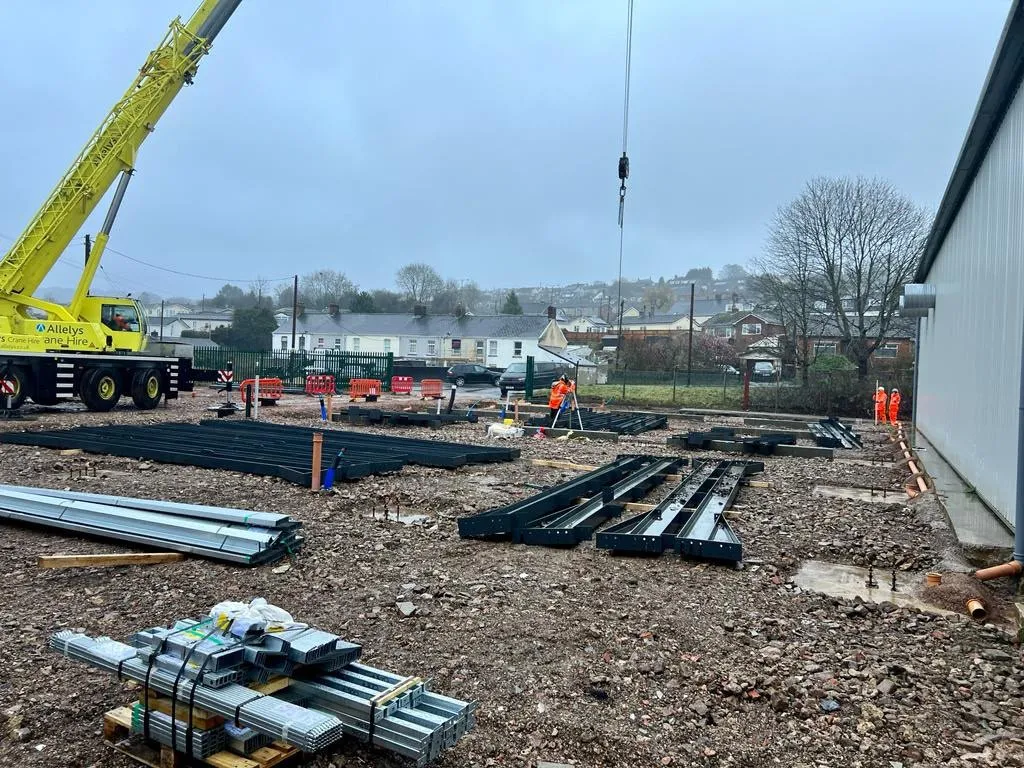
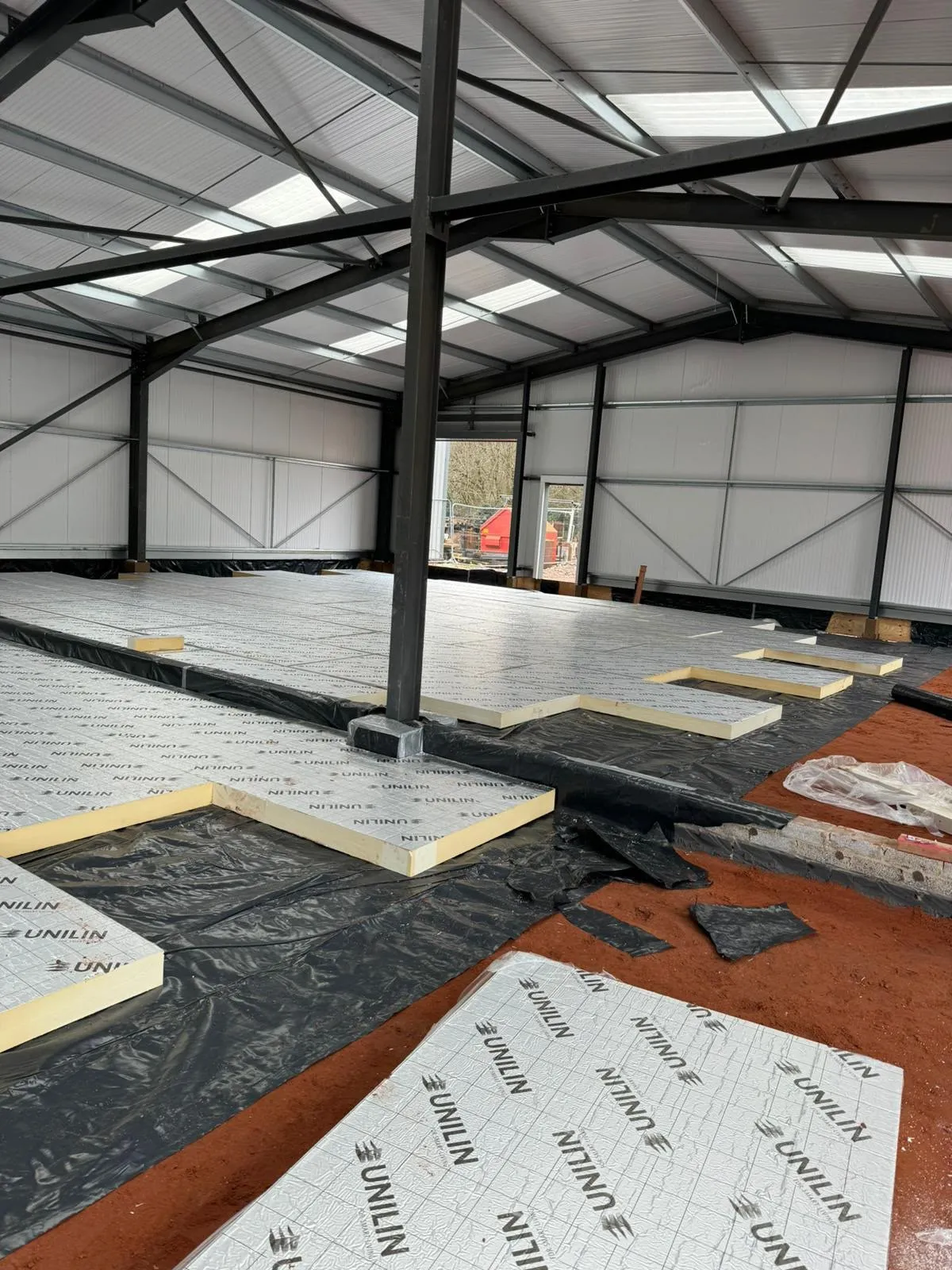
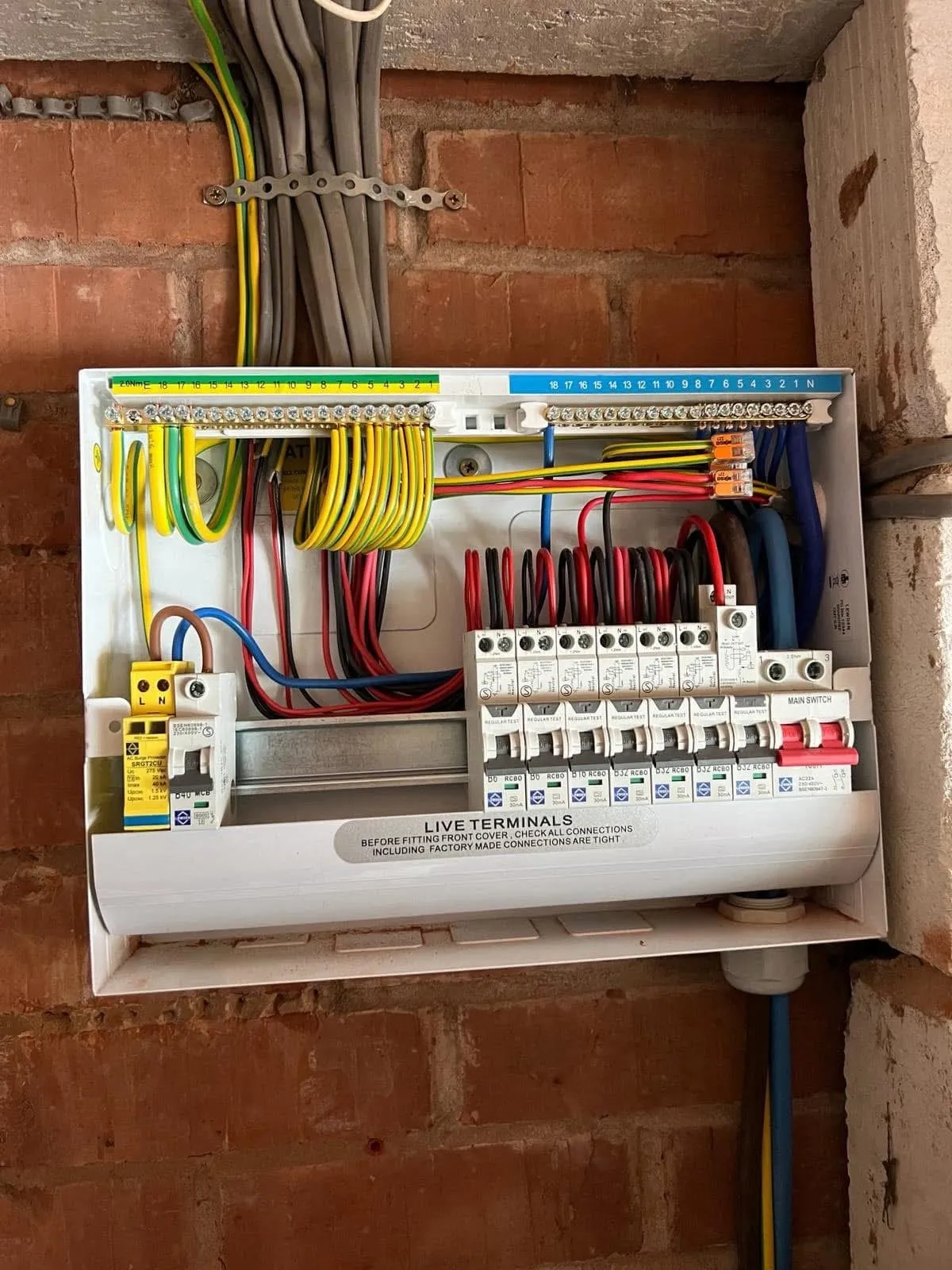
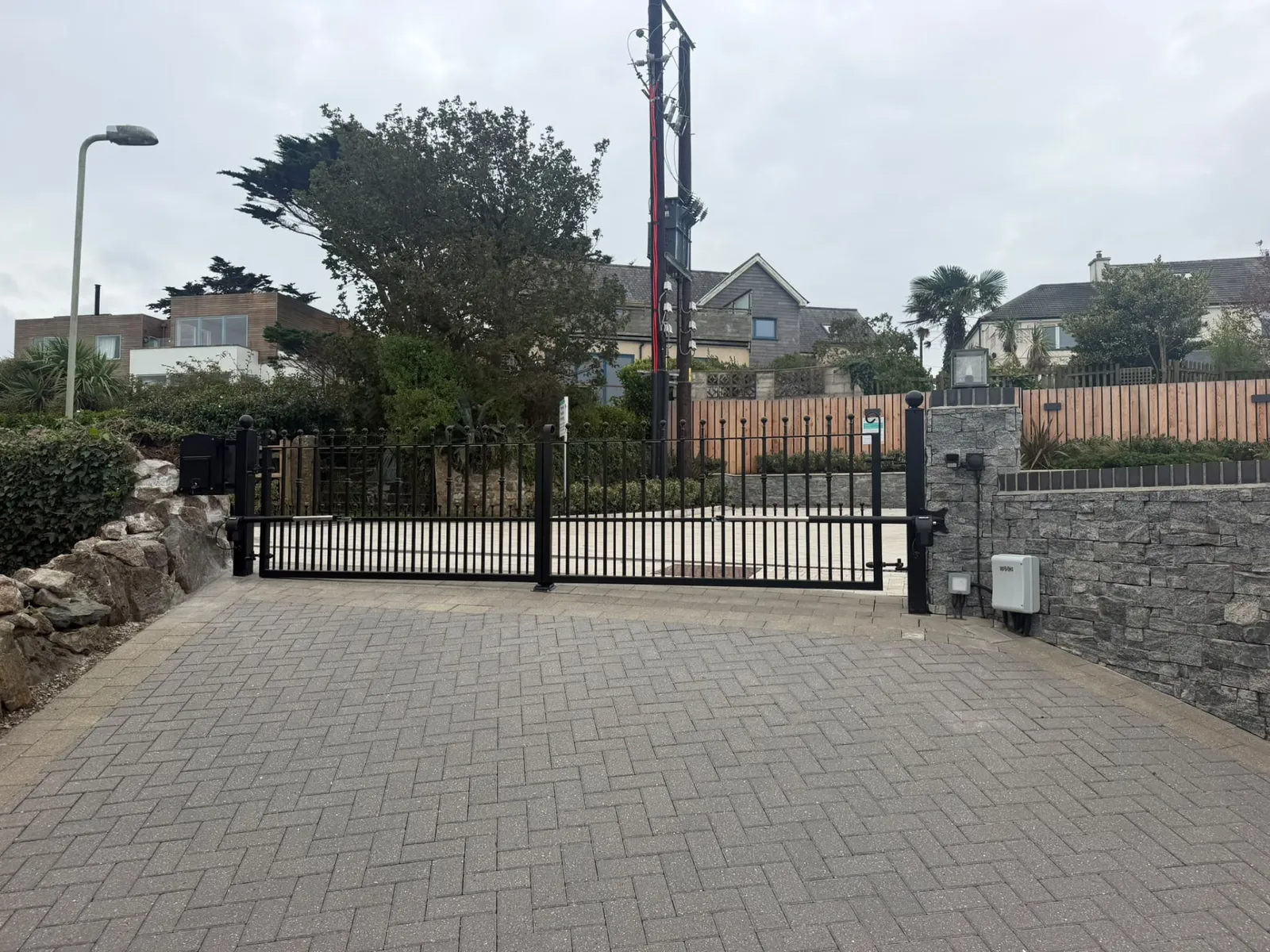
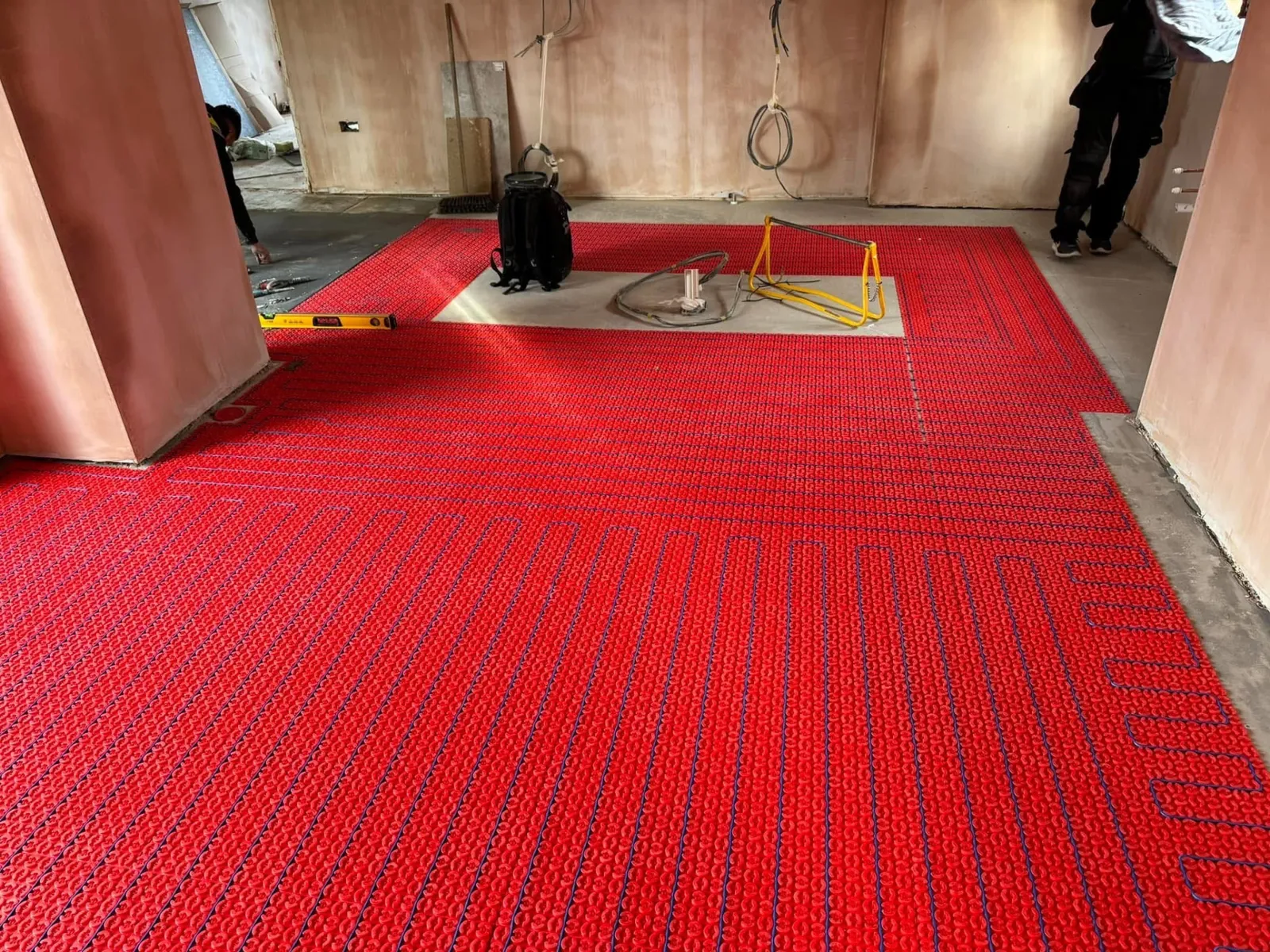
Photographs from jobs across Staffordshire and the West Midlands, all our own work, none of it stock imagery. Scroll along for more.


What customers say
Reviews from the electrical side of the business
Every review below was left for electrical work carried out as Stretton Electrical. We use them as proof of how we work, not as evidence of groundworks, aircon or building jobs.
“Done a full rewire and remodelling of my humble home and co-ordinated with other trades marvellously to pull it together.”
“I've used Stretton Electrical twice now and have been really pleased with the work. On both occasions the job was neat and the area left tidy.”
“Sam was great. He came as soon as possible and identified the issue immediately. He fixed it promptly and went above and beyond.”
Straight answers
Groundworks: questions we get asked
Cost, timescales, guarantees and availability, answered as plainly as we can.
How much do groundworks cost?
We price on day rates that vary with the operatives and machines a job needs, so we do not publish figures. Ground conditions, access and muck away volumes change the number more than the square metres do, which is why we look at the site first.
How long does a groundworks job take?
A small footing or soakaway is usually days; foundations, drainage and oversite for an extension run longer and depend on weather and inspection windows. You get a sequence with your price.
How deep do foundations need to be?
Deep enough to get below seasonally active ground, which depends on the soil and on nearby trees. We dig to what the trench shows rather than to a number assumed in advance, and tell you straight away if it differs.
Do you deal with Building Control inspections?
Yes, trenches and drainage are presented open and tested at the right stage so they can be inspected before they are covered.
Can you fix drainage that keeps blocking?
That is a common call-out. Repeated blockages usually mean a gradient, bedding or connection problem rather than a one-off obstruction, and the fix is to correct the cause rather than rod it again.
Is the work guaranteed?
Yes, a 1-year guarantee on all work, with £5m public liability, £10m employer's liability and £250,000 professional indemnity insurance in place.
How long should groundworks last?
Correctly built foundations and drainage are designed to outlast everything above them. Failures come from depth, fall and compaction, which is why those three things get the time on our jobs.
Can you also do the electrical side?
Yes. Electrical work is our other primary trade, so ducting, external supplies and charge point feeds can be installed while the ground is still open.
Do you clear the site afterwards?
Spoil is removed and the working area is left clear. Where access has been over a drive or lawn, we agree protection before machines arrive.
Which areas do you cover for groundworks?
Staffordshire and the West Midlands from our Burntwood base: Lichfield, Cannock, Rugeley, Tamworth, Walsall, Sutton Coldfield and the surrounding towns.
Get the ground right before anything is built on it
Tell us about the site and what you are building. We will look at access, levels and drainage and come back with a price for the groundworks package.
Request an estimate
Tell us about the job
Send the details and we'll come back to you with a price for your specific job. If it's urgent, call instead, you'll get through to Sam or someone on the team.
- Phone
- 07812 971397
- info@stret.co.uk
- Hours
- 8am–6pm, Monday to Friday · occasional weekend work
- Covering
- Staffordshire and West Midlands, from our base in Burntwood