
Our services
NAPIT Registered Electriciansin Burntwood & Surrounding Areas
Wiring faults found, repairs and installations completed to the 18th Edition, tested and certified before we leave, by a NAPIT registered electrician with 16 years in the trade and a 1-year guarantee on the work.
NAPIT registered · City & Guilds 2391 · 1-year guarantee on all work
16 years
In the construction industry
NAPIT
Registered for electrical work
F-Gas
Certified for air conditioning
£5m
Public liability insurance
1 year
Guarantee on all trades
Electrician in Staffordshire & the West Midlands
Electrical work is where Stret started and it remains the core of the business. Sam served a full electrical apprenticeship from the age of 16, holds City & Guilds 2391 inspection and testing, the 18th Edition wiring regulations and a Gold ECS card, and the company is NAPIT registered.
What the service covers
We carry out the full range of domestic and light commercial electrical work: full and partial rewires, consumer unit replacements, EICR inspection and testing, fault finding, additional sockets, lighting, cooker and shower circuits, outside supplies, garden and garage feeds, and EV charge point installation. Every job that requires it is tested and certified on completion, and notifiable work is registered through NAPIT rather than left for you to arrange with Building Control.
Sam Stretton served a full electrical apprenticeship from the age of 16 and has 16 years in the trade, including years spent running his father's company across electrical, groundworks and construction work. He holds City & Guilds 2391 inspection and testing, the 18th Edition wiring regulations, and a Gold ECS card, the highest tier of electrotechnical certification card. Every other operative on site holds a current CSCS or ECS card.
Who it is for
Homeowners with wiring that has not been touched in decades and no certificate to show for it. Landlords who need a satisfactory EICR to let legally. Buyers who want to know what they are taking on before they exchange. Renovators who need the electrics sequenced around plasterers, joiners and groundworkers. And people who simply have something that has stopped working and want it diagnosed properly instead of replaced on a guess.
When it is needed
There are the obvious triggers: a breaker that keeps tripping, a burning smell at a socket, lights flickering across more than one room, or no power at all. There are the scheduled ones: a five-yearly landlord EICR, a change of tenancy, a pre-purchase check, or a board change before a kitchen goes in. And there are the ones people put off, a rewireable fuse box with no RCD protection, or a rented property with an out-of-date report.
If a circuit is tripping repeatedly, stop resetting it and call. A breaker that keeps operating is doing its job; the fault behind it is still there.
Why professional help matters
Most electrical work in a home is notifiable under Part P, which means it has to be certified by a registered competent person or signed off by Building Control. Work done without that paperwork shows up later, at sale, at remortgage, on a landlord inspection, or on an insurance claim. Being NAPIT registered means our notifiable work is registered through the scheme as part of the job.
There is also the part that only testing reveals. A socket can look perfect and still sit on a circuit with a damaged earth. 2391 is the qualification for inspection and testing specifically: interpreting what the instruments say rather than reading a pass or fail off a screen.
Work that is tested, certified and signed off
Every job is inspected and tested before it is handed back to you, and you receive the certification for it. Being NAPIT registered means the notifiable work is registered with the scheme rather than left for you to chase up with Building Control.
Tidy work in occupied homes
Most of our electrical work happens in houses people are still living in. Customers consistently mention that the work is neat and the area left clean, including one who had been told by other electricians that her wall would have to be damaged, and it wasn't.
What this covers
- Full and partial house rewires
- Consumer unit and fuse board upgrades
- Electrical inspection and testing (EICR)
- Fault finding and emergency repairs
- Sockets, lighting and additional circuits
- EV charger installation
- Landlord and pre-purchase electrical reports
- Certification on completion
What's at stake
What happens if it's left
Not scare tactics, these are the situations we are actually called out to fix, and what they cost once they escalate.
What happens when electrical faults are left
Loose connections heat up. That is the mechanism behind most domestic electrical fires, not a dramatic short circuit, but a terminal that has worked loose over years, warming up every time the circuit is loaded until the surrounding plastic scorches. It is entirely invisible behind a faceplate and entirely findable with a test.
Without RCD protection there is nothing to disconnect the supply quickly when someone becomes part of the circuit: a nail into a buried cable, a mower through a flex, a child at a damaged socket. Older boards with rewireable fuses were never designed for that job.
The costs that escalate
A single failed circuit is a repair. The same fault ignored for a year, with water tracking into a junction box, becomes a section of rewire and the redecoration that follows. Uncertified work found during a sale becomes a retention or a renegotiation at the worst possible moment. A landlord with no valid EICR is exposed on every front at once.
Common mistakes we get called out to
Fitting a bigger breaker because the existing one keeps tripping. Extension leads carrying a permanent load a fixed circuit should be taking. A new consumer unit fitted onto earthing and bonding that were never brought up to standard, which means the board is new but the installation is not safe. And work done with no certificate at all, so there is no record of what was installed or what it was tested to.
Our process
How the job runs, start to finish
The same sequence every time, so you know what happens next and when.
Step 1
Talk it through
Call Sam direct, or send the details through the form. We ask about the property age, what you have noticed and what you are planning, so we arrive with the right kit.
Step 2
Inspect and diagnose
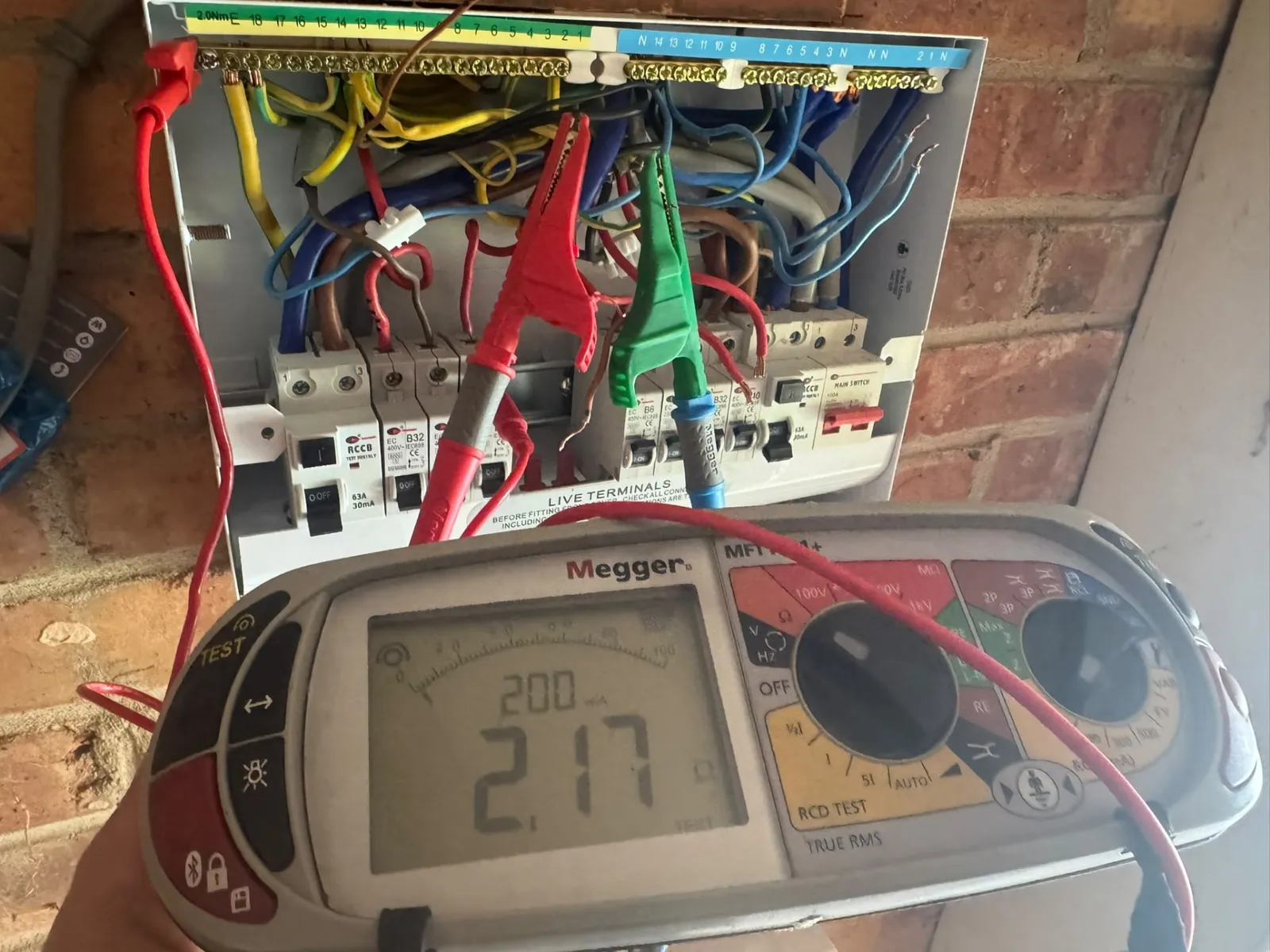
We test rather than guess. Continuity, insulation resistance, earth loop impedance and RCD operation tell us what is actually wrong and what else on the installation is close to needing attention.
Step 3
Price the work
You get a price for the job we have found, with anything optional separated out from anything necessary. We price on day rates that vary with the operatives a job needs, which is why we do not publish figures.
Step 4
Carry out the work
Agreed times, dust sheets down, power off only for as long as the work requires. Where cables have to be chased in, we agree the routes with you first.
Step 5
Test, certify and hand back
Circuits tested, board labelled, area cleaned, certification issued and notifiable work registered through NAPIT. The work carries a 1-year guarantee.
What you get
What this actually gives you
Every job carries 1-year guarantee on all work and is covered by our insurance.
Faults found, not guessed at
Testing narrows an intermittent fault to a circuit and often to a single accessory, instead of replacing parts in sequence and hoping one of them was it.
Certified and registered
You get the certificate, and notifiable work is registered through NAPIT. Paperwork you can hand to a buyer, a tenant or an insurer.
Safe to the current standard
18th Edition qualified, with earthing and bonding checked as part of the work rather than assumed to be adequate.
Tidy in an occupied house
Customers consistently mention neat work and a clean area, including one told by other electricians that her wall would have to be damaged, and it wasn't.
Guaranteed and insured
A 1-year guarantee on all work, £5m public liability, £10m employer's liability and £250,000 professional indemnity behind it.
You speak to the person doing the job
Sam answers the phone. Nothing is relayed through an office, so nothing gets lost between the quote and the work.
In detail
Materials, methods and variations
The specifics behind the work, for anyone who wants to know exactly what they're buying.
Methods, materials and what we install
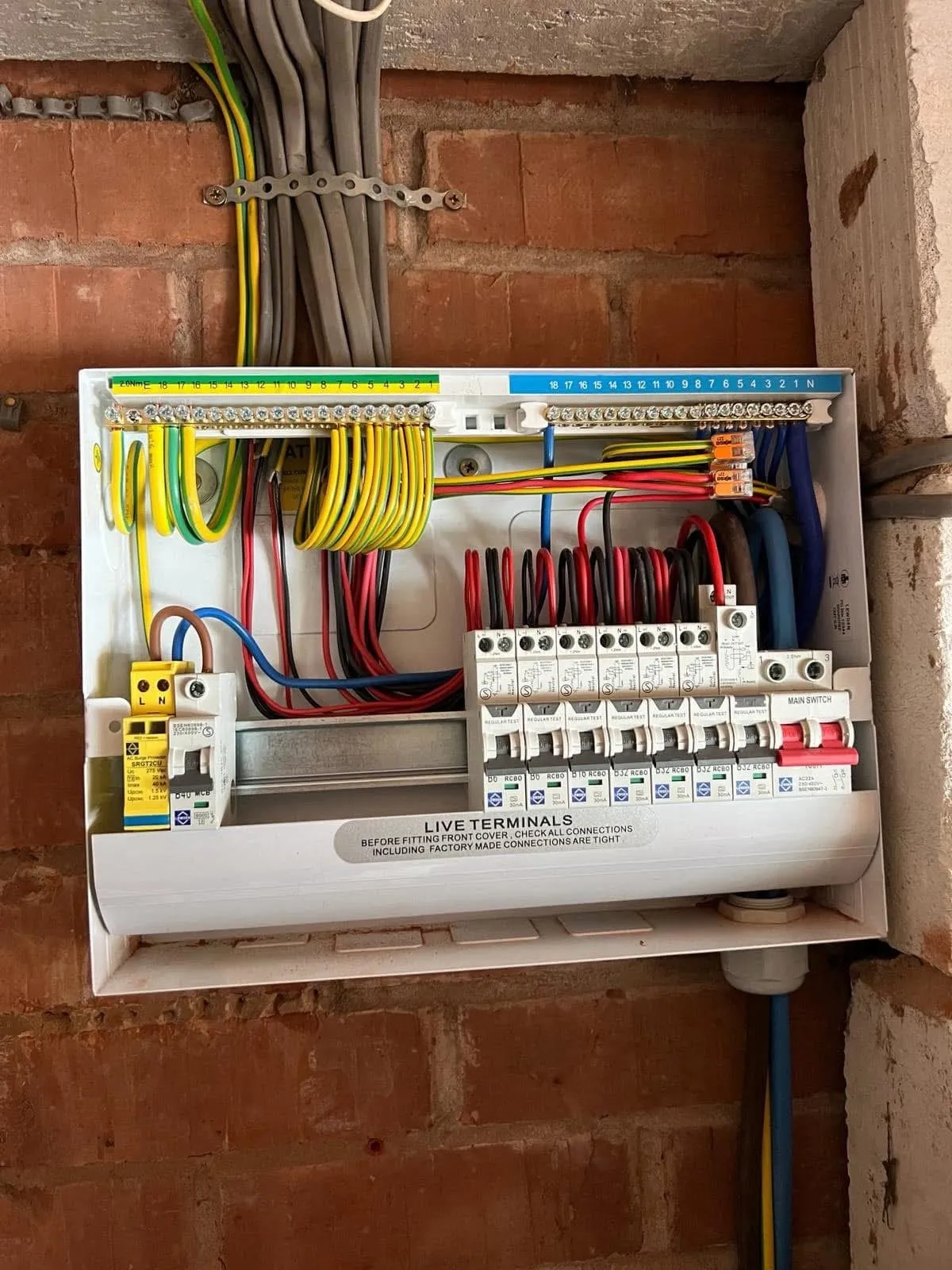
Domestic circuits are wired in twin and earth, sized to the load and the installation method, with SWA used for outbuildings, garden supplies and anything run externally or buried. Consumer units are steel-enclosed with individual RCBO protection per circuit, so a fault on one circuit does not take out the rest of the house, and surge protection is fitted where it is appropriate to the installation.
Cables buried in walls go in the permitted safe zones or in earthed capping where they do not, so that future drilling has a defined risk. Accessories are fixed to sound boxes rather than bowed plasterboard. Circuits are labelled at the board in language that means something to the person living there, not just to the next electrician.
Variations of the work
A full rewire replaces every circuit and the board, and is usually done around a renovation or in an unoccupied property. A partial rewire replaces the circuits that need it, often the lighting or the ring final circuits, while leaving sound ones in place. A consumer unit upgrade changes the board and tests every circuit behind it. Remedial work follows an EICR and addresses the coded items in order of urgency.
Then there is additive work: an extra socket to retire an extension lead, outside lighting, a supply to a garage or workshop, a cooker or shower circuit for a new appliance, or a home EV charge point on its own protected circuit.
Situations this applies to
Houses built or last rewired before the 1980s, where rubber or fabric-sheathed cable may still be in place. Properties with rewireable fuses or a plastic board and no RCD. Kitchens and bathrooms being replaced, where the existing circuits rarely suit the new layout. Extensions and loft conversions needing new circuits designed in. Rental properties needing a satisfactory report. And any property where someone has previously worked on the wiring and left no certificate.
Domestic and light commercial differences
Domestic work is mostly about living with the disruption: staged power-downs, agreed routes, making good. Light commercial adds access windows outside trading hours, inspection intervals shorter than the domestic norm, emergency lighting and distribution that has to be labelled for whoever maintains it next. The testing discipline is identical; the scheduling and the documentation are what change.
Electrical work and groundworks are our two primary trades, which is why ducting, external supplies and charge point feeds can be planned into a dig while the trench is still open instead of being dug up again later.
Our work
A range of jobs we've carried out
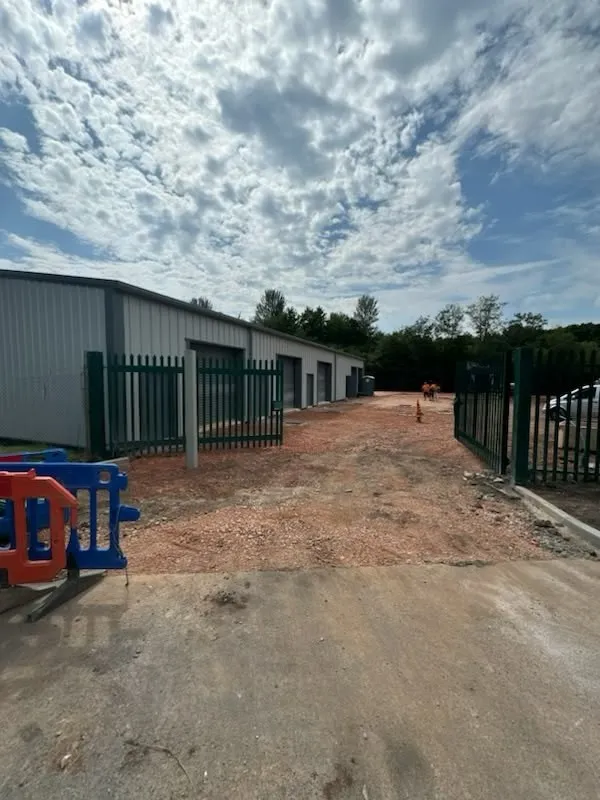
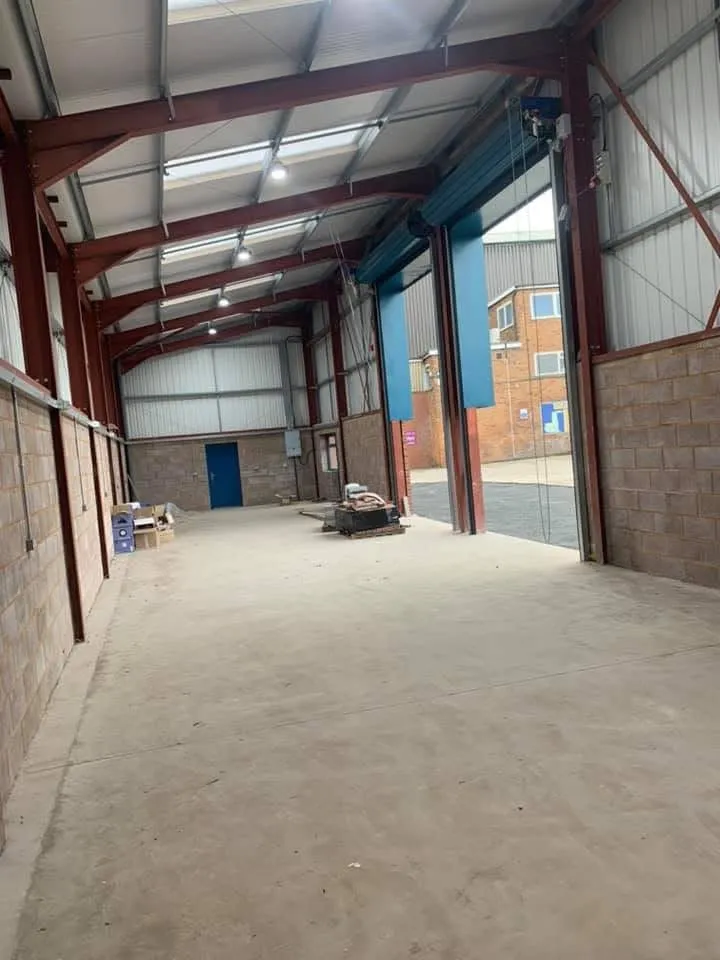
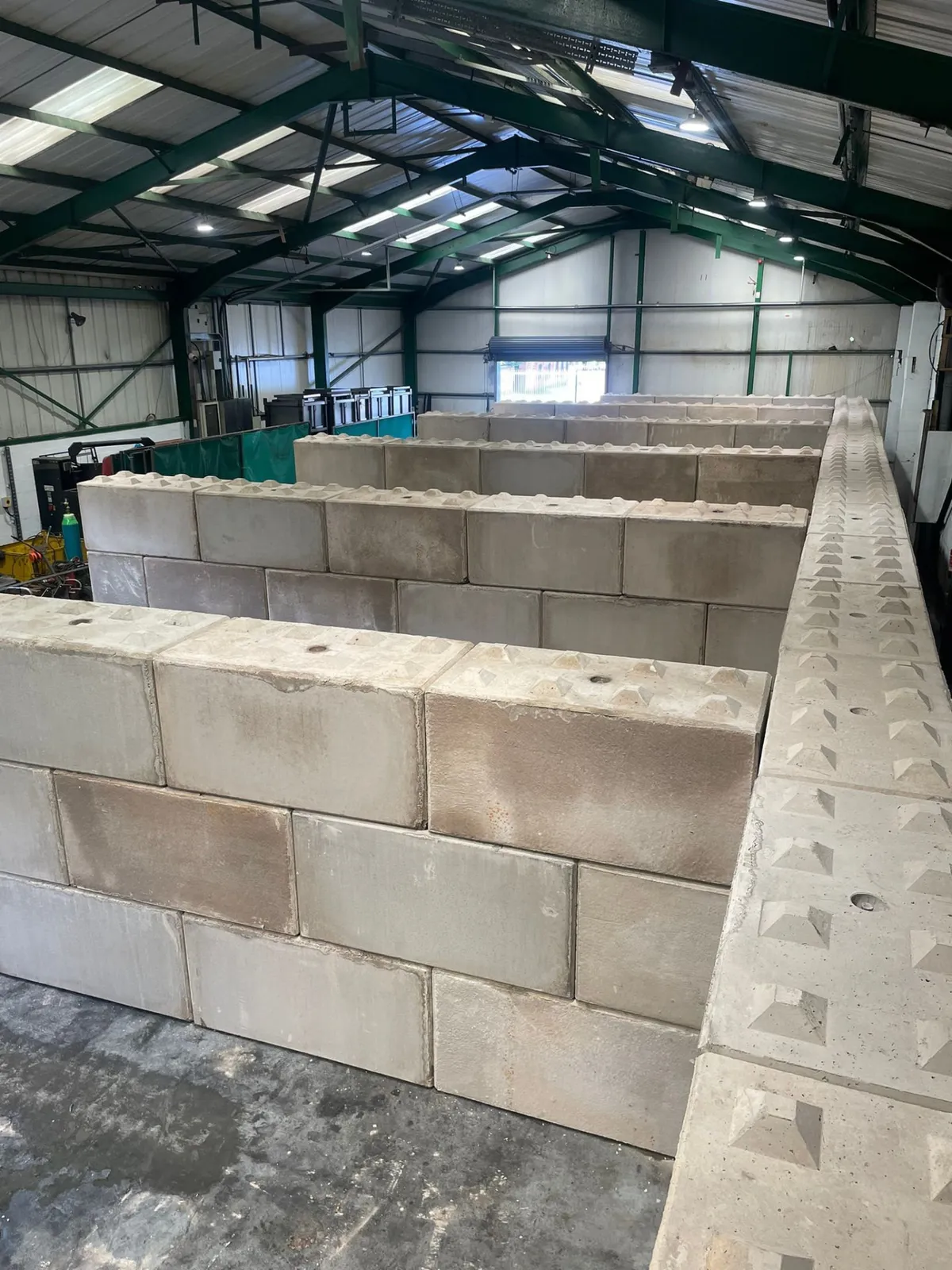
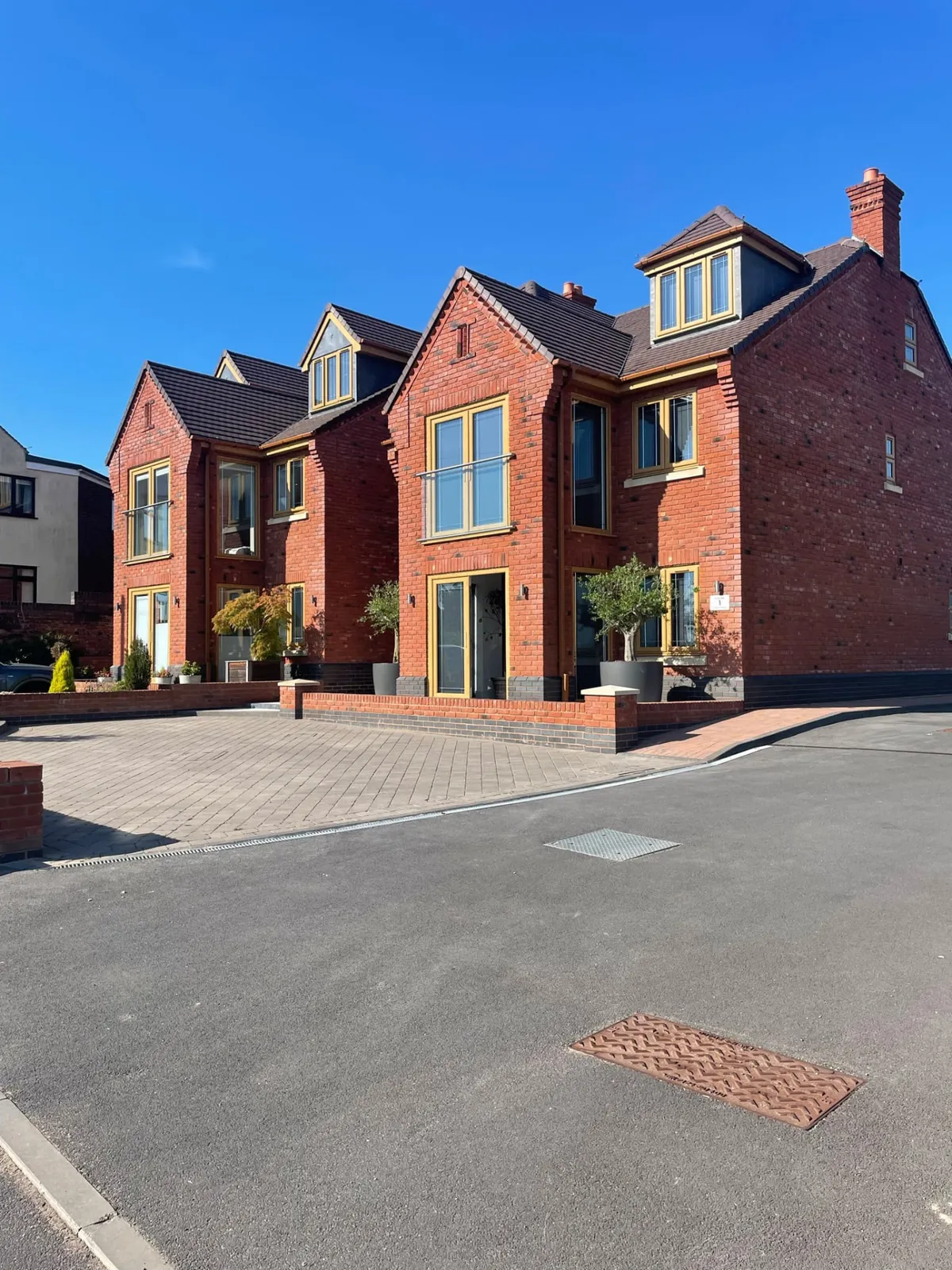
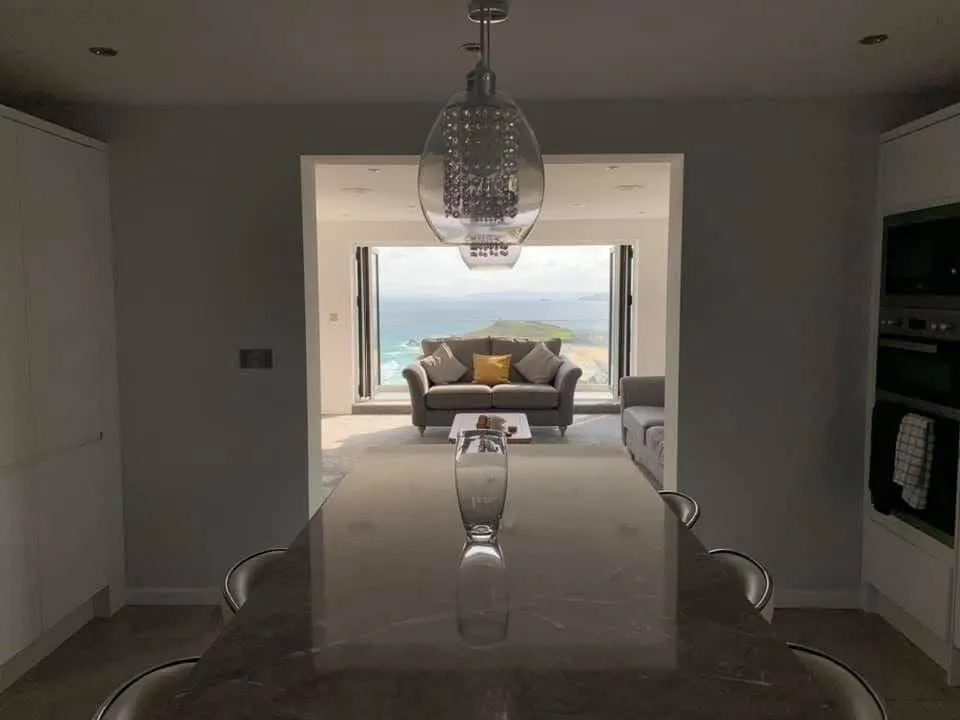
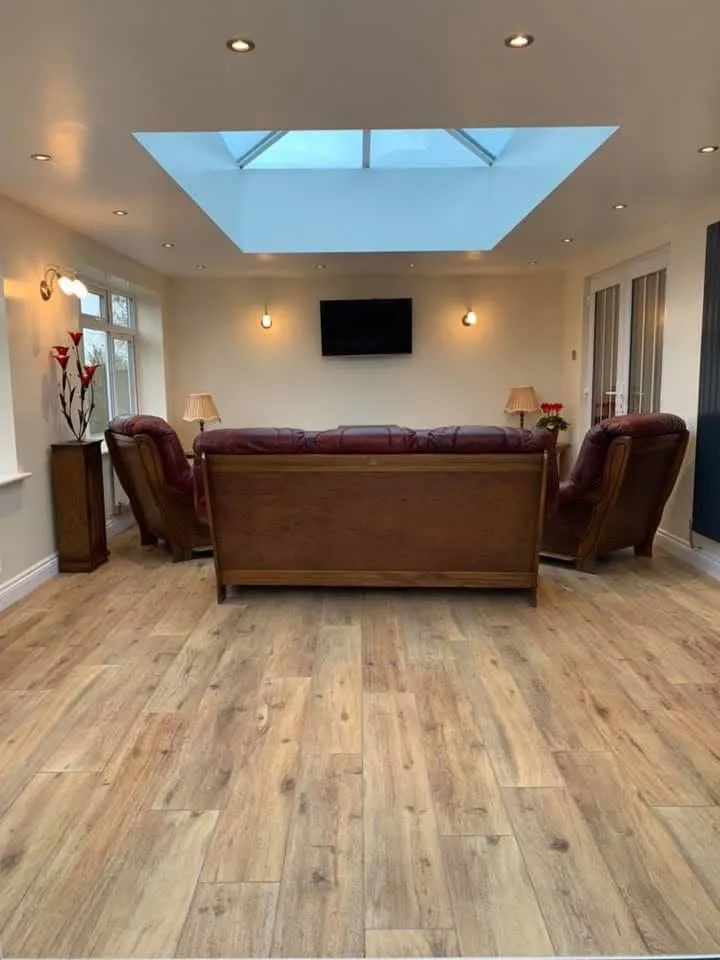
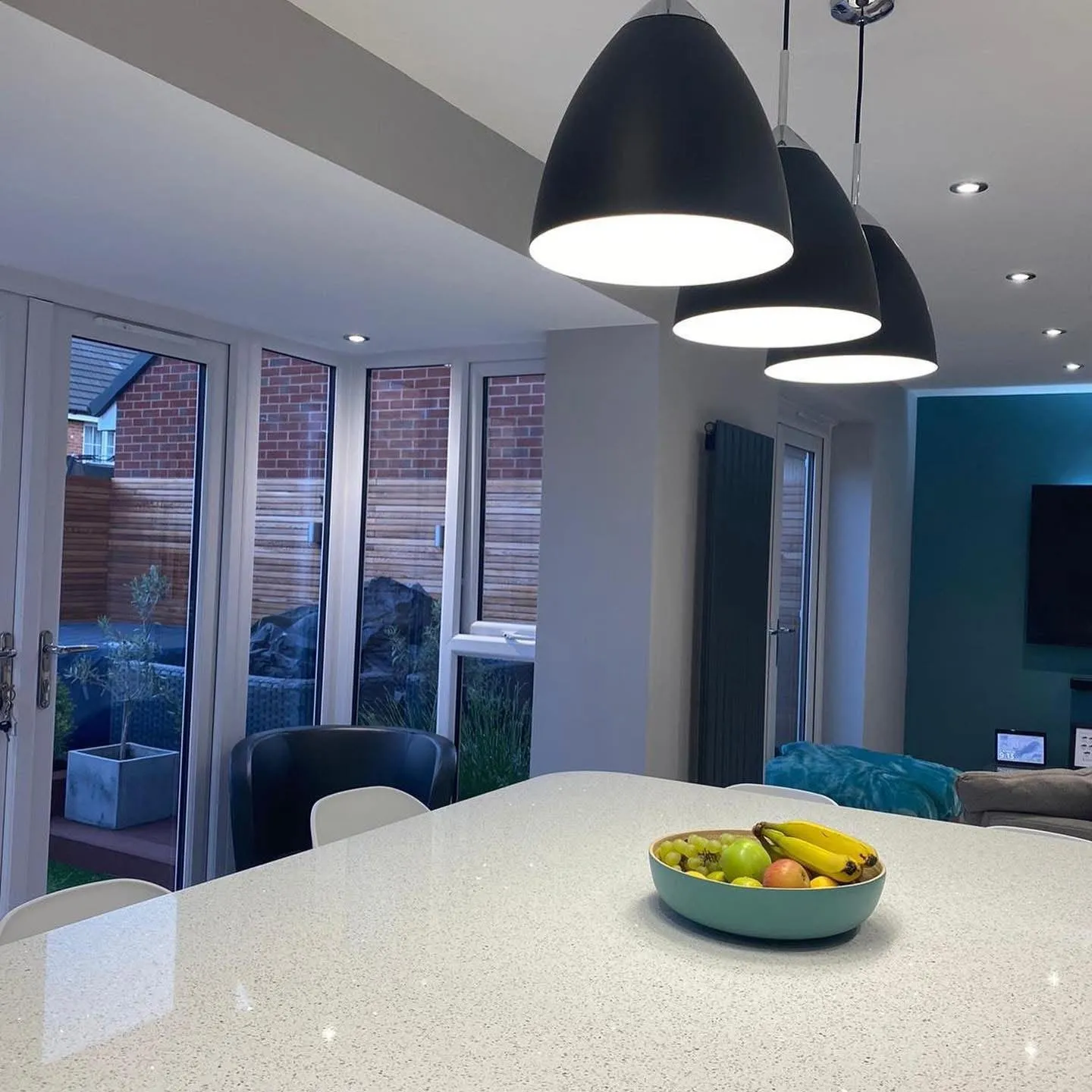
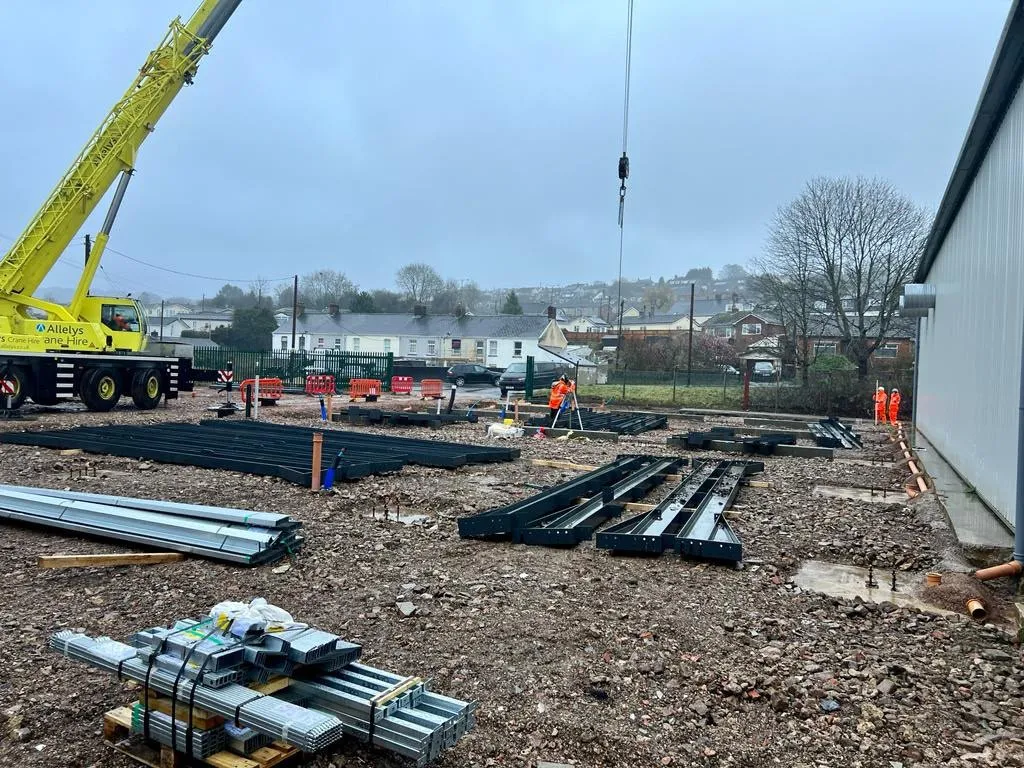
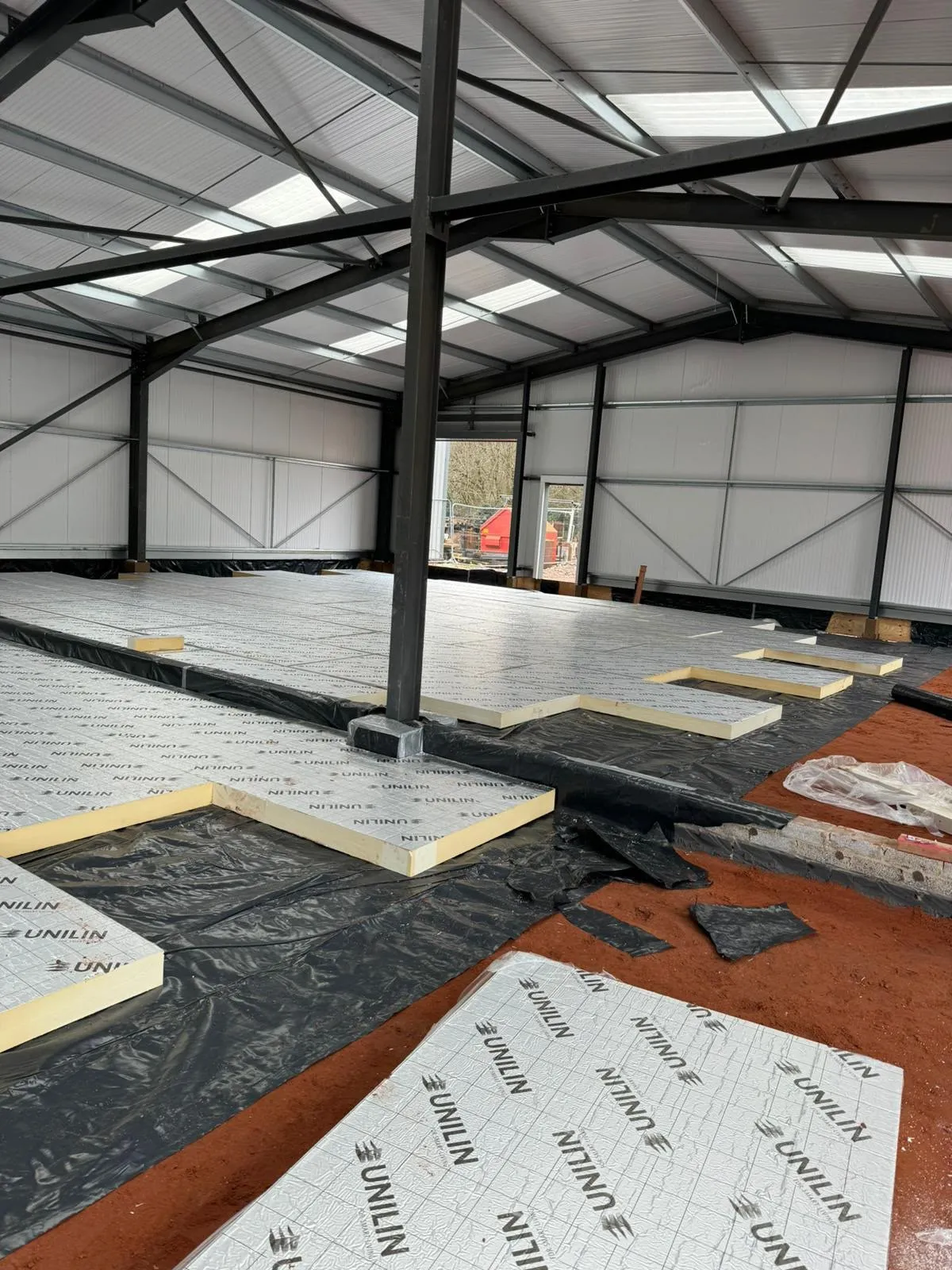
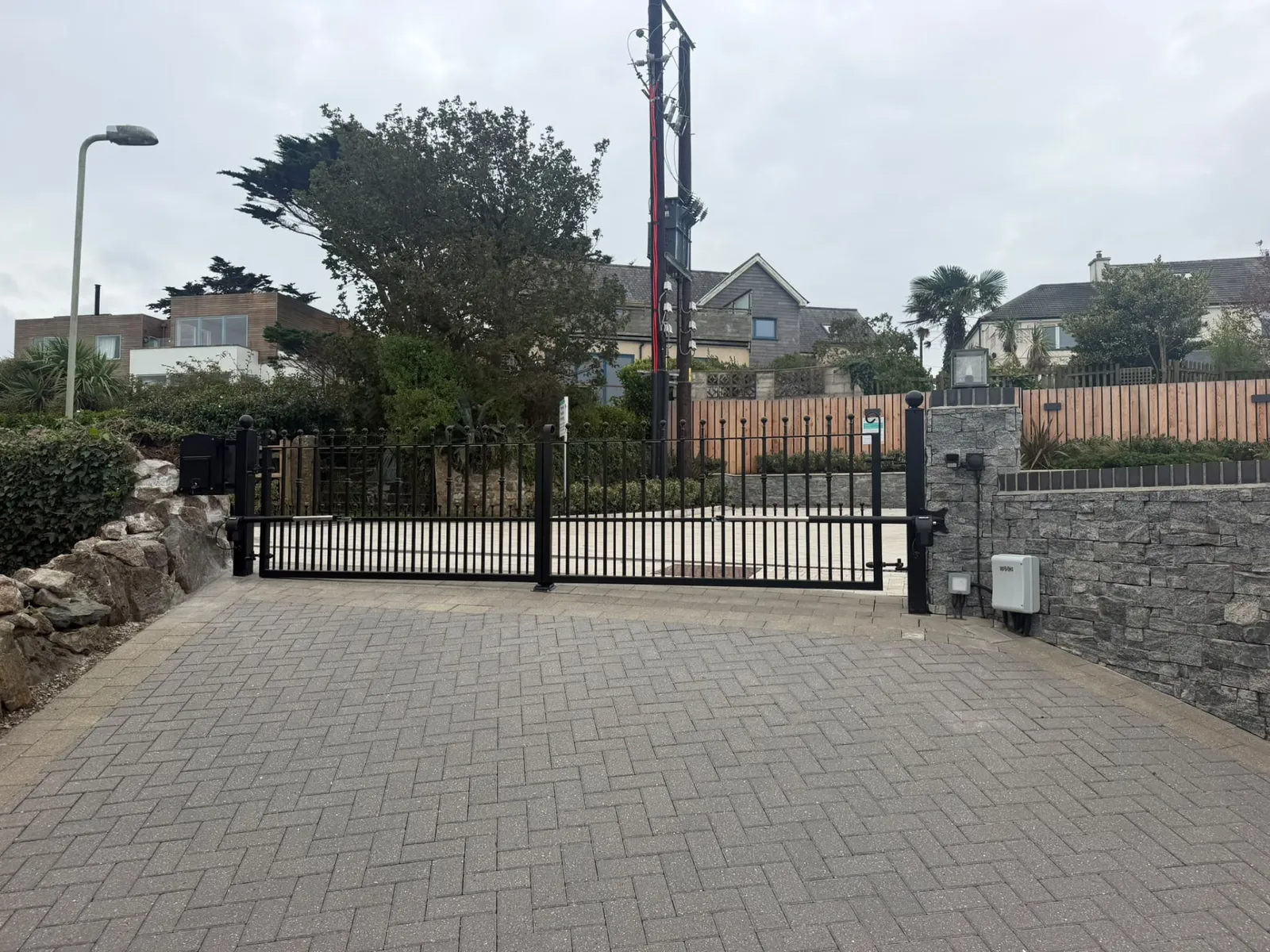
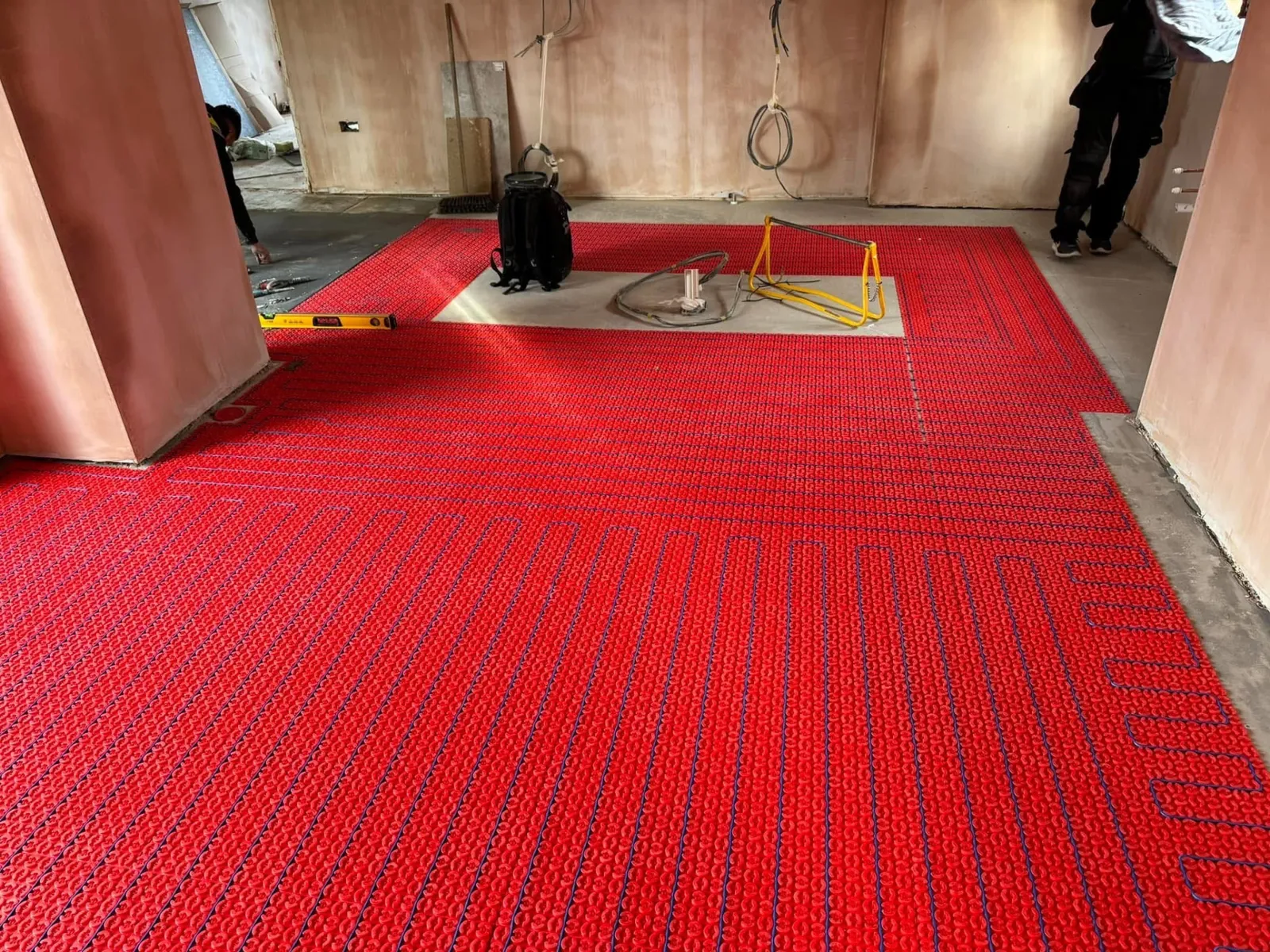
Photographs from jobs across Staffordshire and the West Midlands, all our own work, none of it stock imagery. Scroll along for more.

What customers say
Reviews from the electrical side of the business
Every review below was left for electrical work carried out as Stretton Electrical. We use them as proof of how we work, not as evidence of groundworks, aircon or building jobs.
“Done a full rewire and remodelling of my humble home and co-ordinated with other trades marvellously to pull it together.”
“I've used Stretton Electrical twice now and have been really pleased with the work. On both occasions the job was neat and the area left tidy.”
“Sam was great. He came as soon as possible and identified the issue immediately. He fixed it promptly and went above and beyond.”
Straight answers
Electrician: questions we get asked
Cost, timescales, guarantees and availability, answered as plainly as we can.
How much does electrical work cost?
We price on day rates, and those vary with the operatives a job needs, so we do not publish figures, a quoted number that ignores the state of your installation is not useful to either of us. Tell us the property and the work and you get a price for that job.
How quickly can you come out?
We work 8am–6pm Monday to Friday with occasional weekend work. Call and Sam will tell you honestly where you fit in the week; urgent faults are treated as urgent.
Is the work guaranteed?
Yes, a 1-year guarantee on all work, alongside £5m public liability, £10m employer's liability and £250,000 professional indemnity insurance.
Are you registered and qualified?
The company is NAPIT registered. Sam holds City & Guilds 2391 inspection and testing, the 18th Edition wiring regulations and a Gold ECS card. Every other operative on site is CSCS or ECS carded.
Do I get a certificate?
Yes. Work is tested and certified on completion, and notifiable work is registered through NAPIT as part of the job, so you are not left chasing Building Control.
How long does a rewire take?
It depends on the size of the property and whether you are living in it. We give you a room-by-room sequence and the periods each part of the house will be without power before we start, so you can plan around it.
How long should a rewire or new board last?
A well-installed domestic installation should serve for decades; the regulations change faster than the cable wears out. The practical marker is the inspection interval, around ten years for an owner-occupied home and five for a rented one.
Do you take a deposit?
For larger jobs where materials are ordered up front, we will tell you at the quote stage exactly what is required and what it covers. Nothing appears on an invoice that was not agreed beforehand.
Which areas do you cover for electrical work?
Staffordshire and the West Midlands, from our base in Burntwood: Lichfield, Cannock, Rugeley, Tamworth, Walsall, Sutton Coldfield and the surrounding towns.
Can you handle the building work around the electrics?
Often, yes. Groundworks is our other primary trade and we take on building work occasionally, so making good, ducting and external supplies can be part of the same job rather than another contractor's.
Get the fault found and the work certified
Tell us the property and what it is doing. You will get a straight answer on what needs doing, a price for it, and certification when it is finished.
Request an estimate
Tell us about the job
Send the details and we'll come back to you with a price for your specific job. If it's urgent, call instead, you'll get through to Sam or someone on the team.
- Phone
- 07812 971397
- info@stret.co.uk
- Hours
- 8am–6pm, Monday to Friday · occasional weekend work
- Covering
- Staffordshire and West Midlands, from our base in Burntwood