
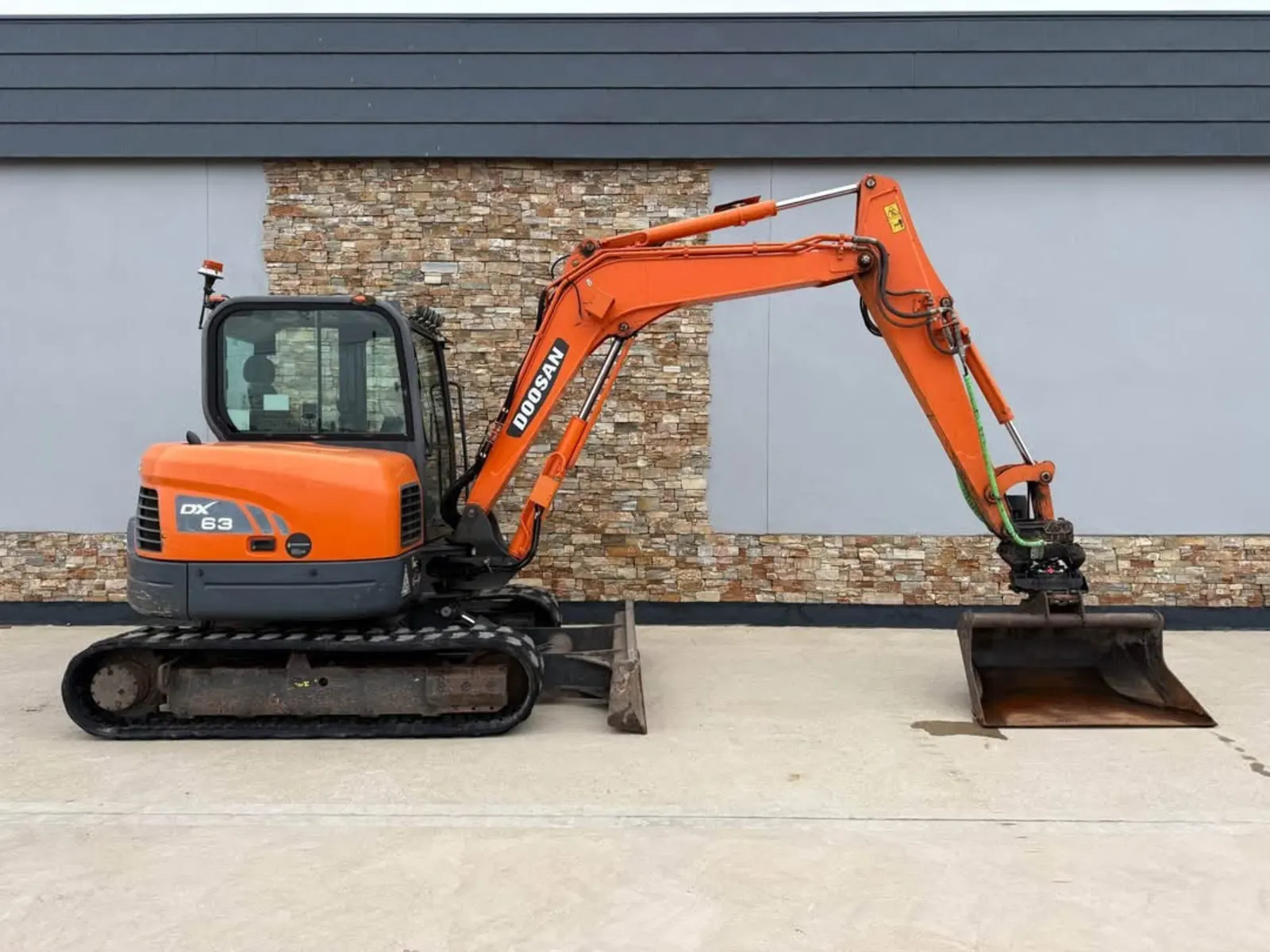
Our services
Professional Building Workin Burntwood & Surrounding Areas
Extensions, structural openings, brickwork and renovation carried through by the contractor already doing your groundworks and electrics, fewer handovers, fewer gaps between trades, and a 1-year guarantee on the work.
16 years in construction · CSCS carded team · 1-year guarantee
16 years
In the construction industry
NAPIT
Registered for electrical work
F-Gas
Certified for air conditioning
£5m
Public liability insurance
1 year
Guarantee on all trades
Building work & extensions
General building is the fourth trade and, like aircon, it is occasional rather than constant. It most often comes up where we are already doing the groundworks or the electrics and it makes sense for one contractor to carry the project through.
What the service covers
Extensions and outbuildings, brickwork and blockwork, structural openings, renovation and remodelling, making good after electrical and groundworks, and co-ordinating the other trades on site. It is the fourth trade and, like air conditioning, it is occasional rather than constant, it comes up most often where we are already doing the groundworks or the electrics and it makes sense for one contractor to carry the project through.
Sam has 16 years in construction, including running his father's company across electrical, groundworks and construction work, so this is familiar ground rather than a new line of business. Every operative on site holds a current CSCS or ECS card, and the company carries £5m public liability, £10m employer's liability and £250,000 professional indemnity.
Who it is for
Homeowners extending, converting or remodelling who are tired of chasing separate trades. People who have had groundworks or a rewire done and need the building work that goes with it. Anyone opening up a wall between two rooms, or building a garage, garden room or outbuilding off new footings. And landlords or buyers taking on a property that needs pulling back together room by room.
When it is needed
At the point a project stops being one trade. A rewire that involves chasing walls needs making good. An extension needs footings, brickwork, an opening into the existing house and services co-ordinated in the right order. A renovation needs somebody sequencing plaster, joinery and second-fix electrics so that nobody is waiting on anybody.
It is also needed when a project has stalled, a job left part-finished by another contractor, where the first task is establishing what is actually complete and what has to be redone.
Why professional help matters
The common failure on domestic projects is not bad workmanship, it is the gap between trades: the electrician waiting on the builder, the builder waiting on the groundworker, and the homeowner in the middle of it holding three phone numbers. Covering more of that sequence ourselves removes some of those gaps, and Sam co-ordinates the trades we do not cover, something customers have specifically praised on renovation work.
Structural and notifiable elements matter too. Openings need the right support, correctly sized and properly bedded. Extensions need foundations, drainage, insulation and electrics that will pass inspection. If a project needs a specialist we do not have, we say so at the quote stage rather than after we have started.
Fewer handovers, fewer gaps
The common failure on domestic projects is the gap between trades, the electrician waiting on the builder, the builder waiting on the groundworker. Covering more of that sequence ourselves removes some of those gaps, and Sam co-ordinates the trades he doesn't cover.
Straight answers on scope
If a project needs a specialist we don't have, we'll tell you at the quote stage rather than after we've started.
What this covers
- Extensions and outbuildings
- Brickwork and blockwork
- Structural openings
- Renovation and remodelling
- Making good after electrical and groundworks
- Co-ordinating other trades on site
What's at stake
What happens if it's left
Not scare tactics, these are the situations we are actually called out to fix, and what they cost once they escalate.
What happens when building work is rushed
Structural openings formed without proper support or bearing move. That shows as cracking above the opening, doors binding and, at worst, deflection in the floor above. Brickwork built in the wrong conditions or without correct ties and cavity details lets water across the cavity, and damp staining on the inside face is the first anyone hears of it.
Details at the junction between new and old are where most extension problems live: trays, flashings, thresholds and levels. They are cheap to get right at the time and expensive to correct once the roof is on.
The cost of gaps between trades
Every handover is an opportunity for delay. A plasterer arriving before second-fix electrics means either waiting or chopping out finished plaster. A slab poured before ducting is laid means cutting a new slab. Each of those is small on its own; stacked across a project they become weeks and a materially larger bill.
Common mistakes we get called to
Openings propped and formed without the support that was specified. Extensions built off foundations that were never deep enough for the ground or the trees beside them. Electrics installed, plastered over, and then found to be uncertified. Making good treated as somebody else's job, so a finished room still has chased walls in it. And projects priced on a verbal scope, which is how disputes start.
Our process
How the job runs, start to finish
The same sequence every time, so you know what happens next and when.
Step 1
Understand the project
We go through what you want to end up with, look at the property, and identify which trades the job actually needs, including any specialist we would bring in.
Step 2
Scope and price it
You get a written scope of what is included and what is not, with a price based on day rates for the operatives the work requires. No verbal scopes.
Step 3
Sequence the trades
Groundworks, structure, first-fix services, plaster, second fix and making good put in an order that keeps trades off each other's work.
Step 4
Build it
Structural elements supported and bedded properly, cavity and junction details done as they should be, electrics designed in as we go because that is our own trade.
Step 5
Finish, test and hand over
Making good completed rather than left, electrical work tested and certified, site cleared. The work carries a 1-year guarantee.
What you get
What this actually gives you
Every job carries 1-year guarantee on all work and is covered by our insurance.
One point of responsibility
Groundworks, electrics and building work under one contractor, so nothing falls into the gap between two other companies.
Trades in the right order
Sam sequences and co-ordinates the site, customers have specifically praised this on renovation projects that involved several trades.
Electrics designed in, not retrofitted
Circuits, positions and routes planned while walls are open, then tested and certified by the same NAPIT registered business.
Making good actually included
Chased walls, patched floors and disturbed finishes are part of the job, not a loose end for you to find another trade for.
Straight answers on scope
If the project needs a specialist we do not have, you hear it at quote stage rather than mid-build.
Insured and guaranteed
£5m public liability, £10m employer's liability, £250,000 professional indemnity, and a 1-year guarantee on all work.
In detail
Materials, methods and variations
The specifics behind the work, for anyone who wants to know exactly what they're buying.
Materials and methods
External walls are built in blockwork and brick with a clear, correctly insulated cavity, wall ties at the right spacing and cavity trays where water has to be directed out. Openings are formed with properly sized support, bearings made good, and the load taken on something solid rather than on whatever was convenient. Internal alterations use blockwork or studwork depending on load, acoustics and the finish required.
Where we are already doing the groundworks, the footings, drainage and oversite under a build are ours too, which means the depth, drainage falls and ducting are decided by the same people who then build off them. Where we are doing the electrics, first-fix positions are set out with you before anything is buried.
Variations of the work
Single-storey extensions, garages and outbuildings built from footings up. Garden rooms and workshops on new slabs. Internal remodelling, including removing or forming walls and reworking layouts. Renovation of tired properties room by room, which is the version most commonly paired with a rewire. And making good after our own groundworks or electrical work, so a project is handed back finished rather than simply functional.
Situations this applies to
Properties being extended where the existing drainage and electrics both need altering. Houses being renovated whole, where the electrics, plaster and joinery have to be sequenced together. Solid-wall and older properties where new and old construction meet and the detailing matters. Sites with tight access where materials and spoil have to be planned. And part-finished projects that need assessing before continuing.
Domestic and commercial differences
Domestic building work is done around people living in the house: dust control, keeping rooms usable, keeping services on. Commercial work is done around trading hours and access restrictions, with more documentation and tighter programme dates. Our building work is predominantly domestic and predominantly alongside our own groundworks or electrical trades.
Because this is occasional rather than daily work for us, we are honest about availability. If the calendar is committed to electrical and groundworks jobs, you will be told when we can genuinely start.
Our work
A range of jobs we've carried out
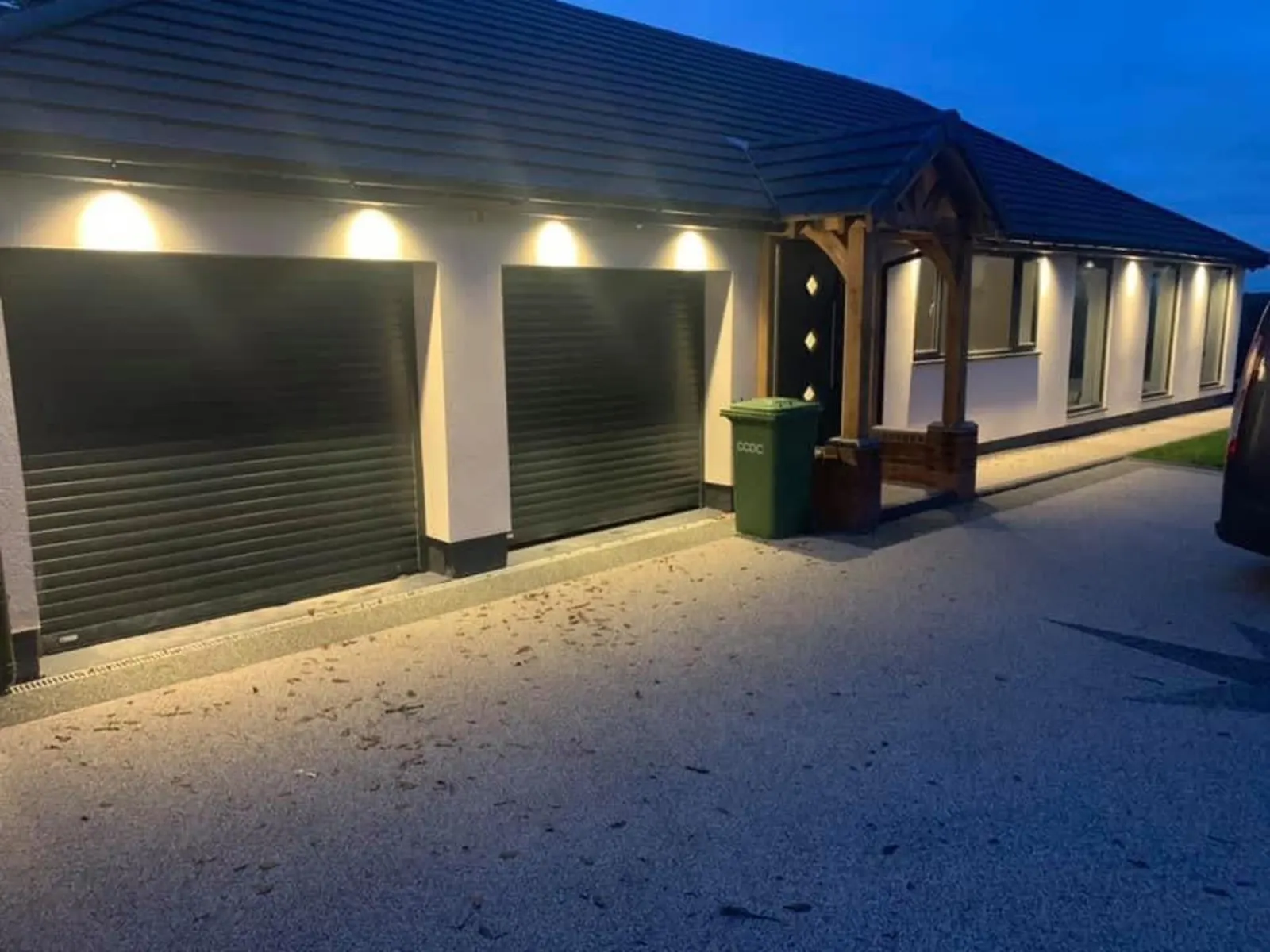
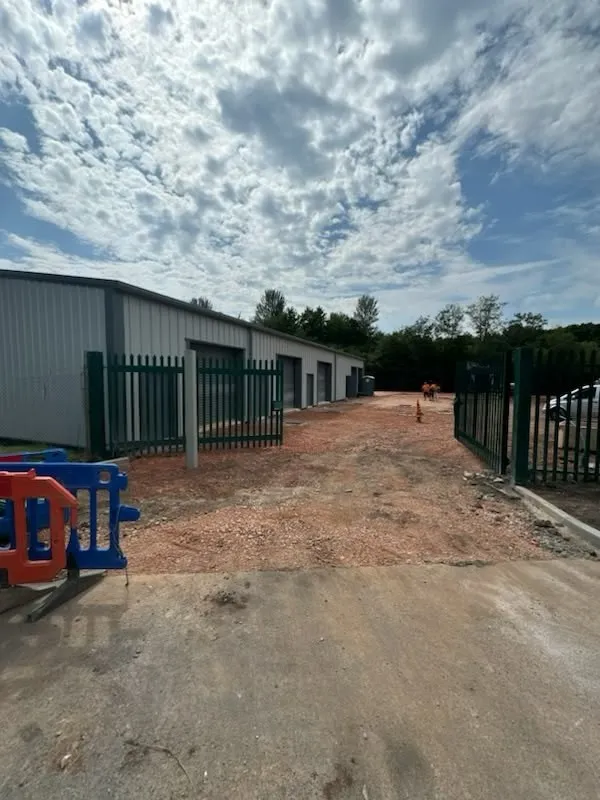
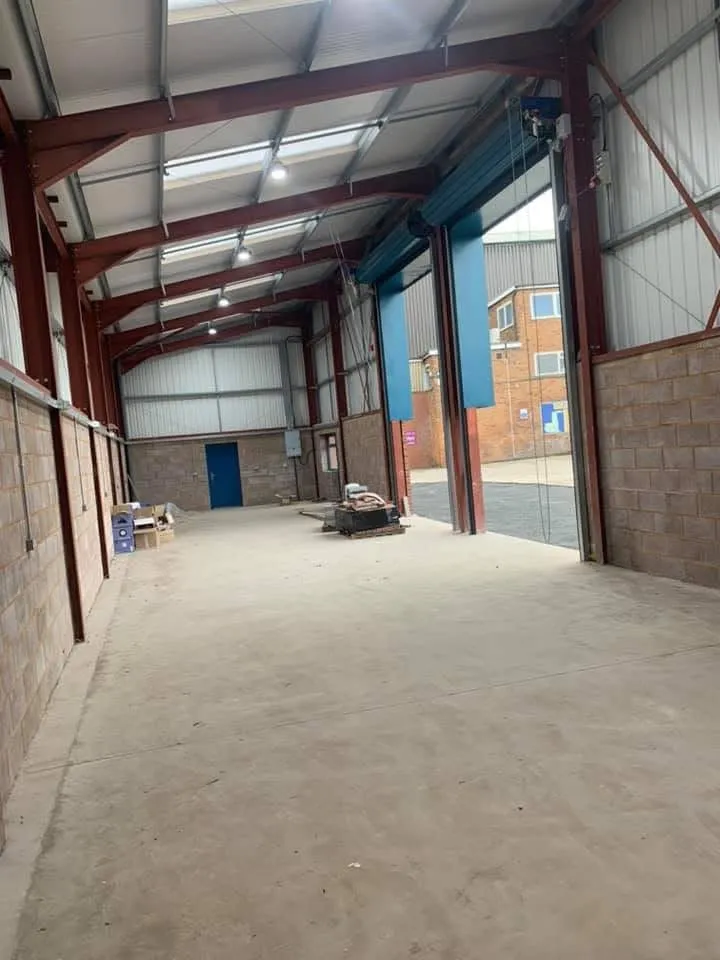
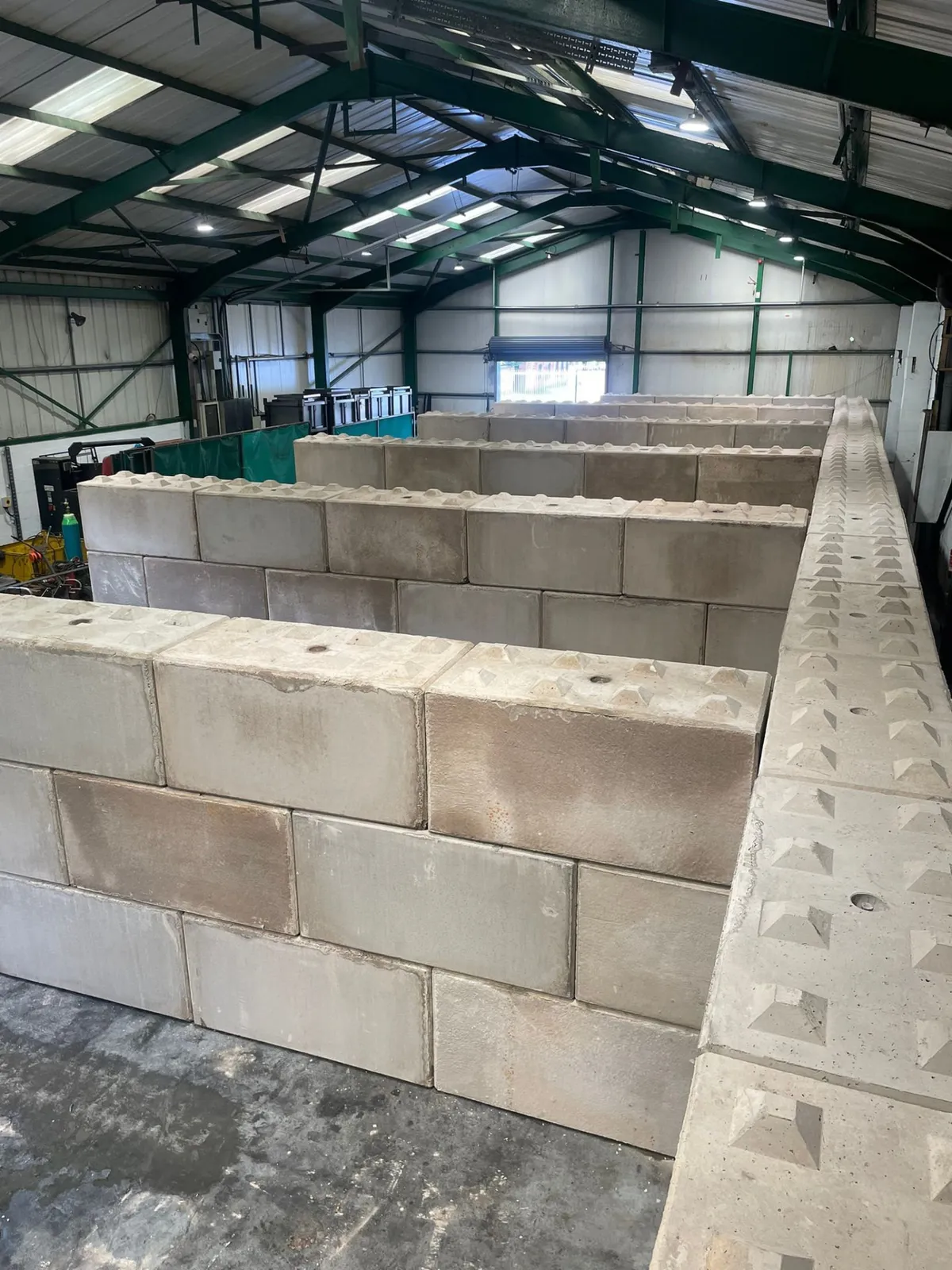
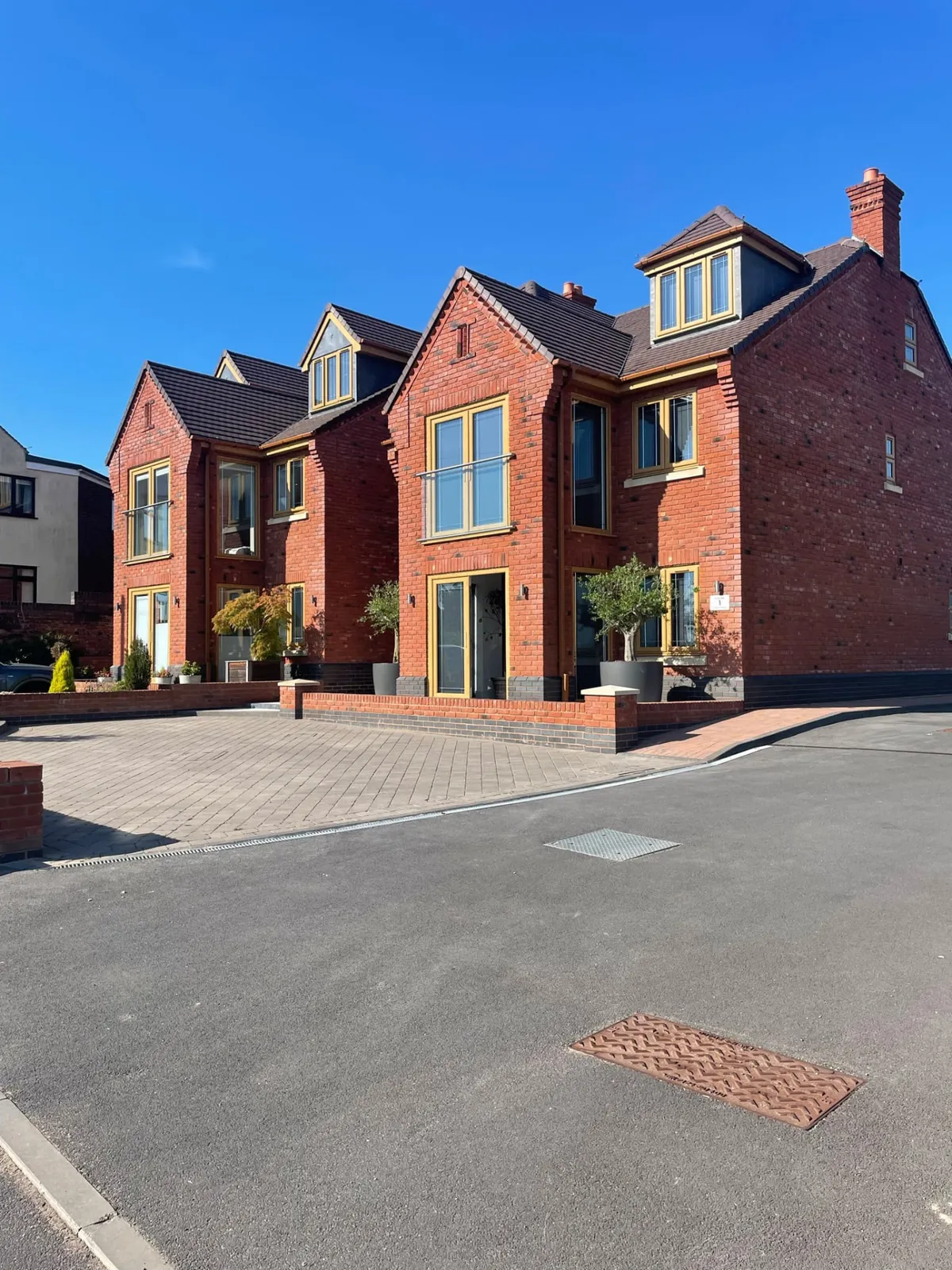
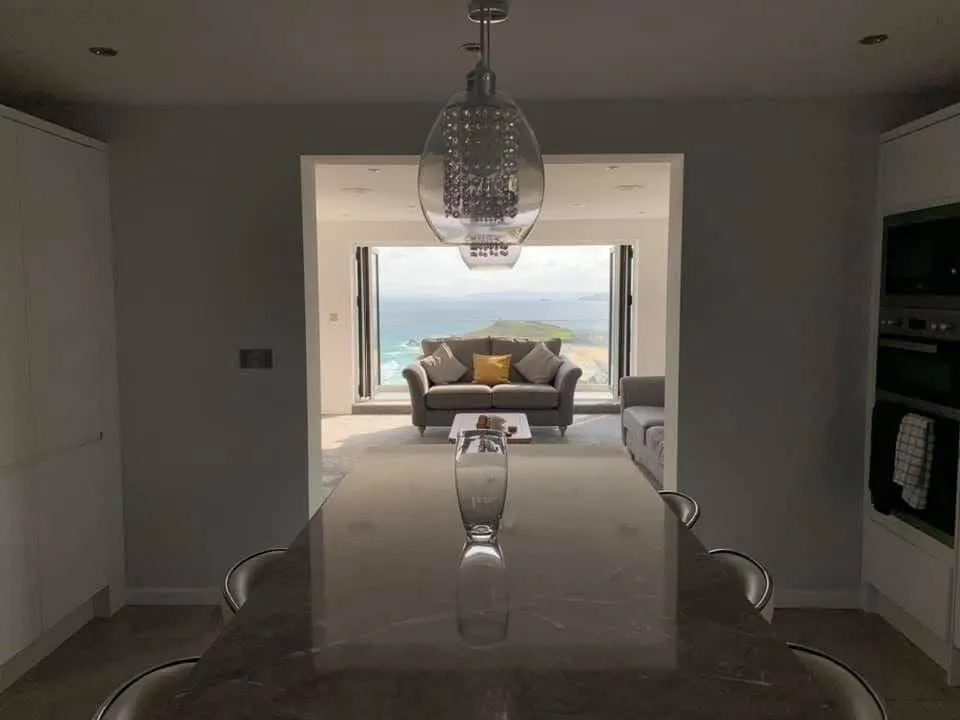
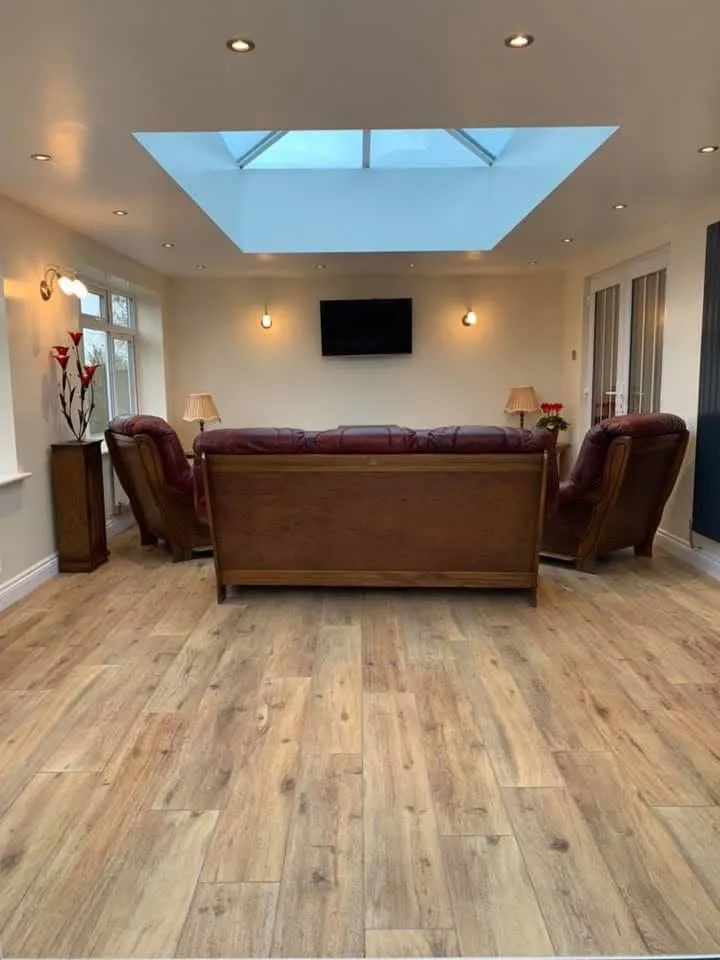
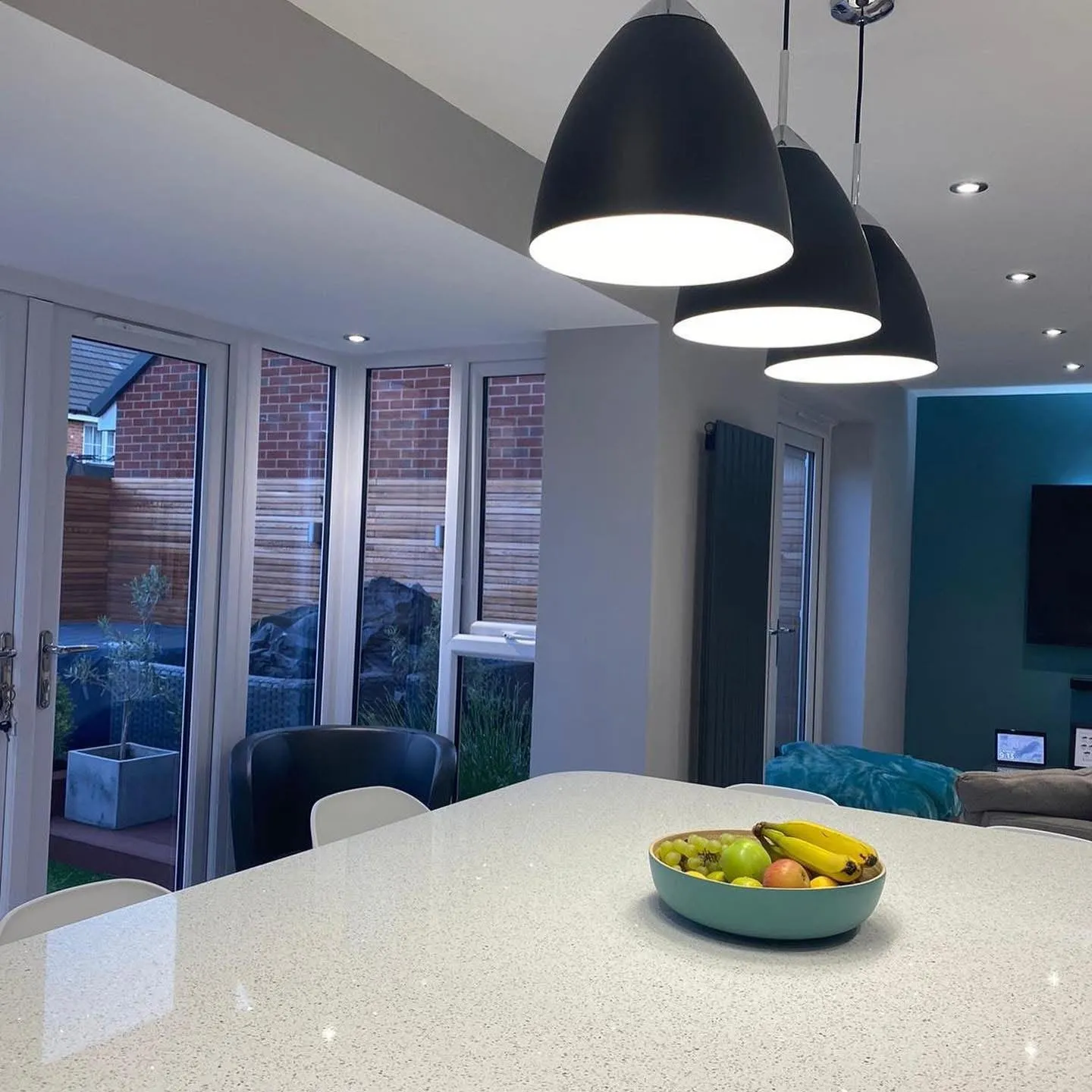
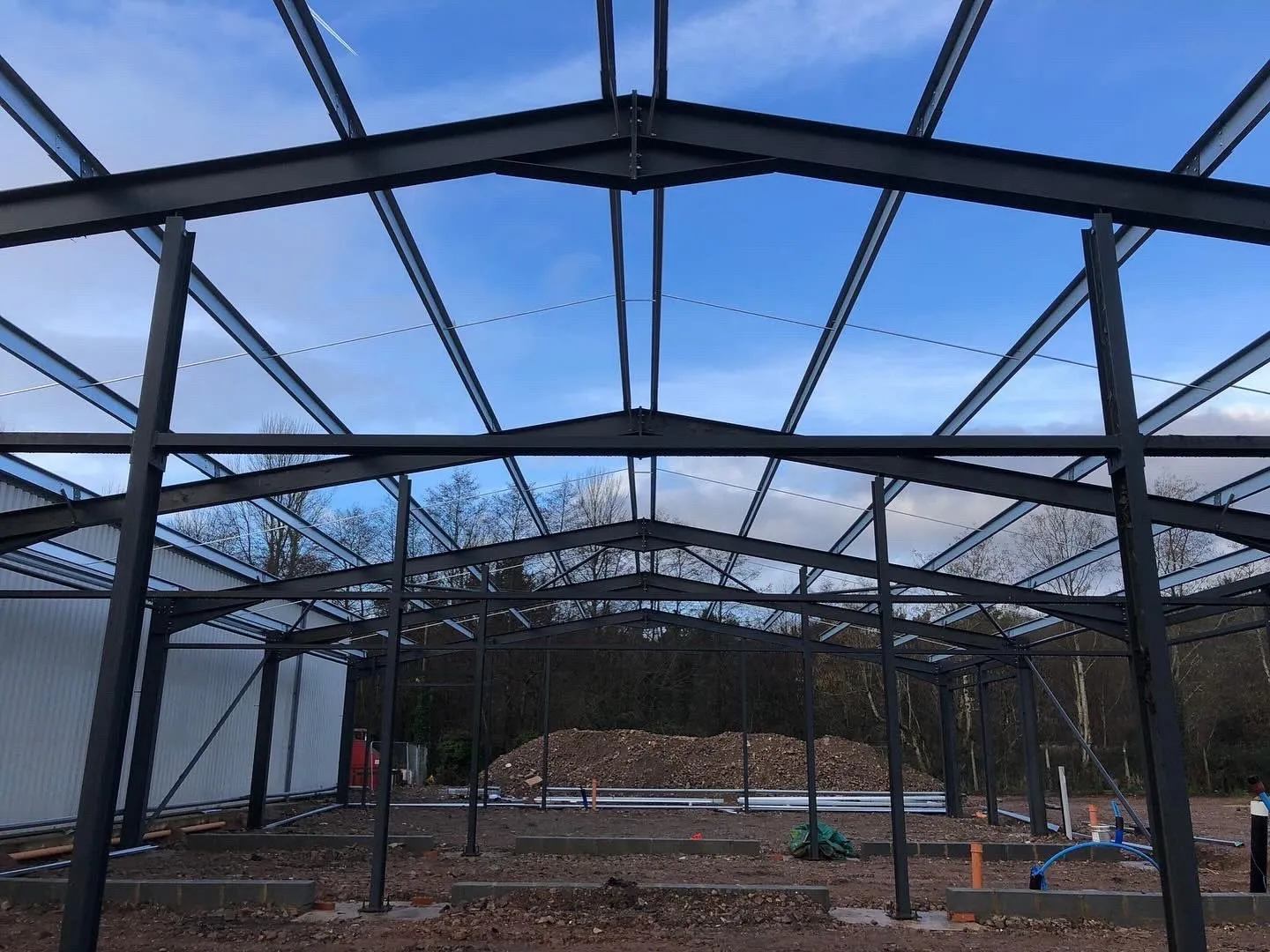
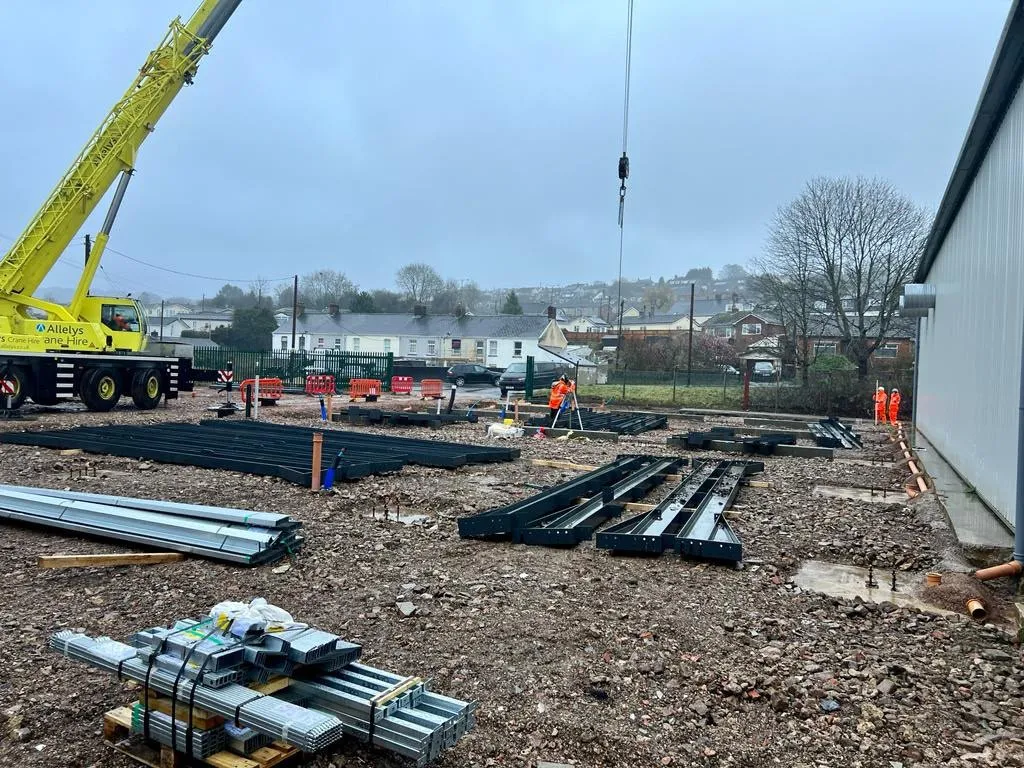
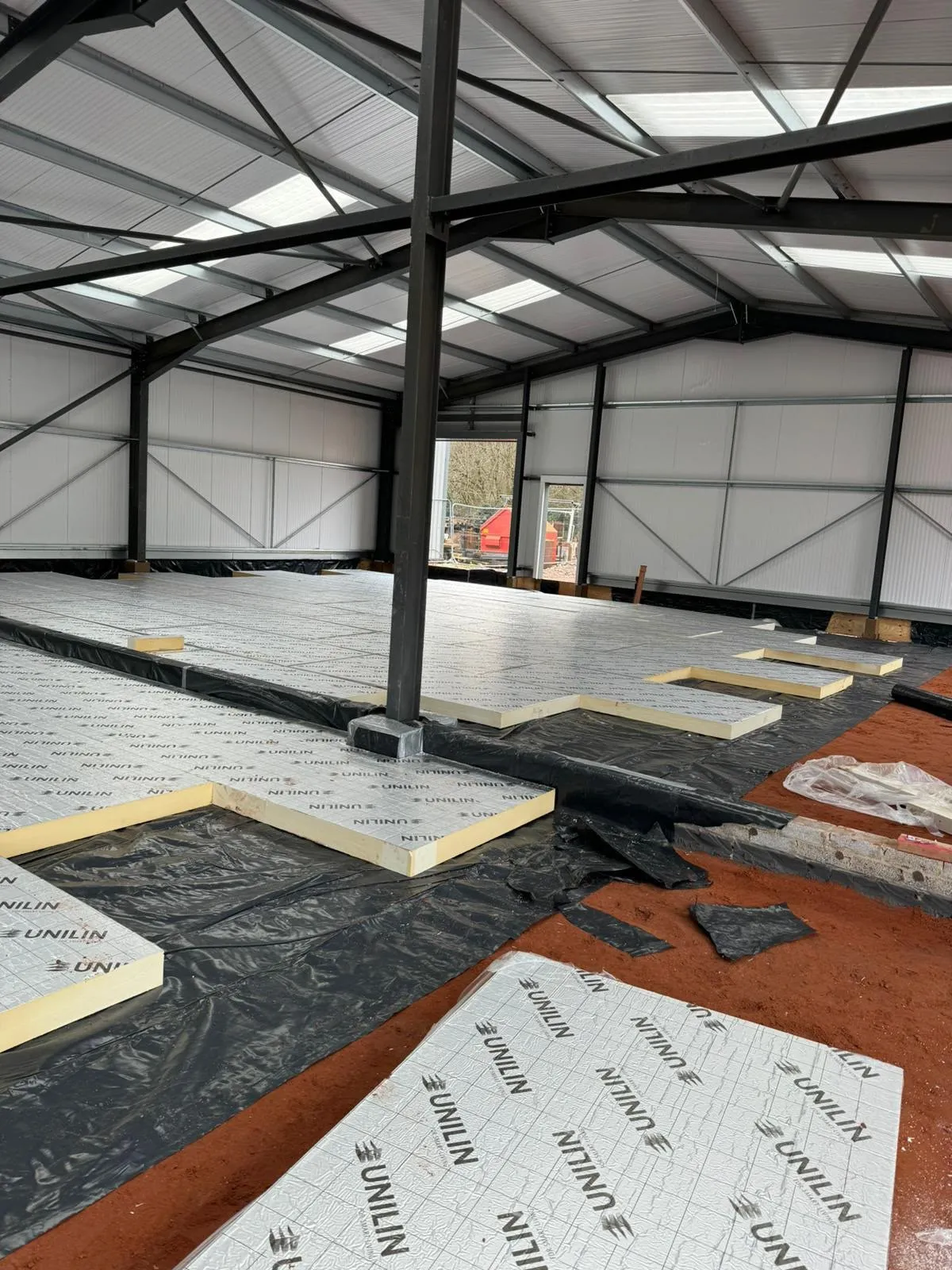
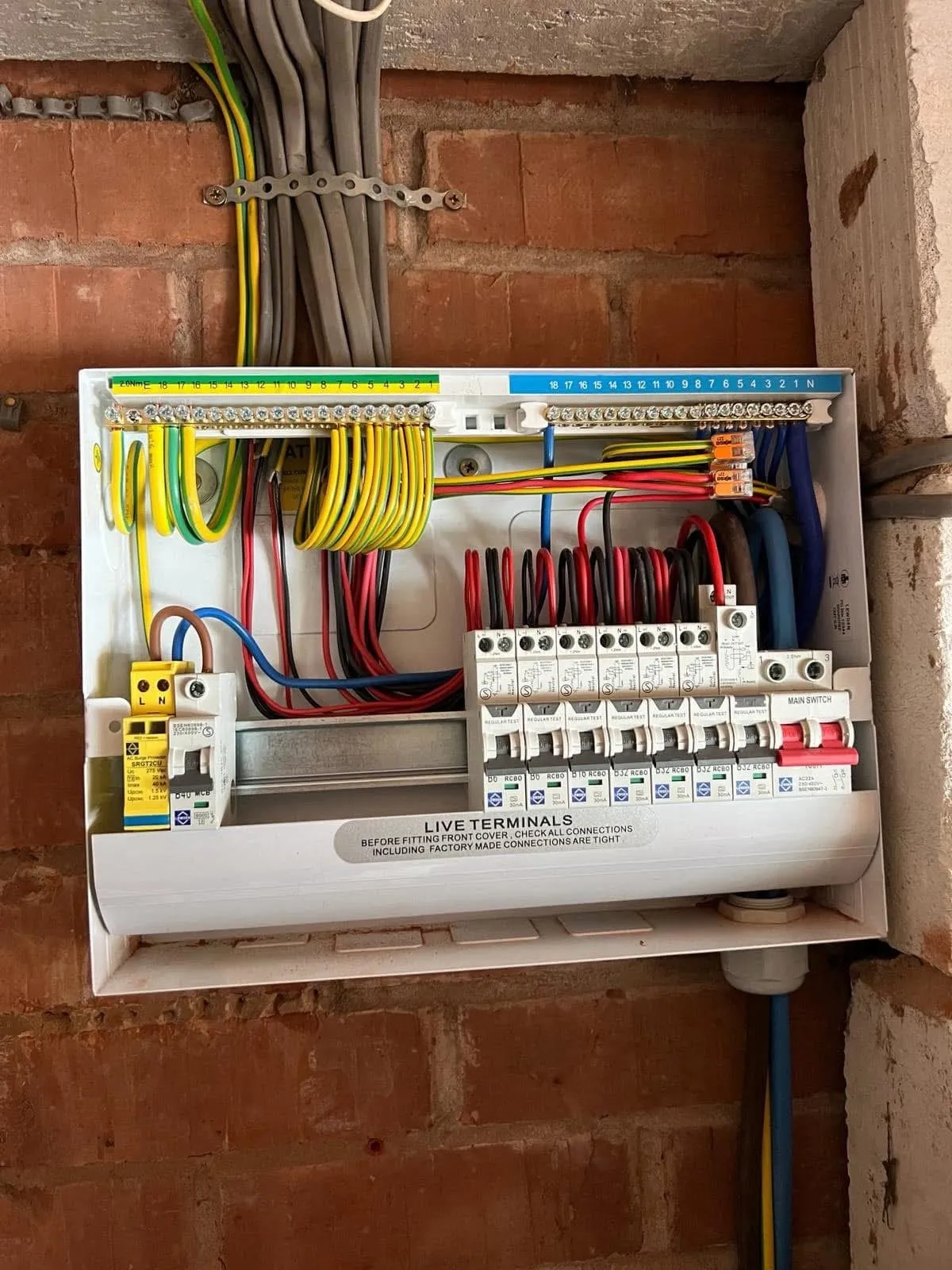
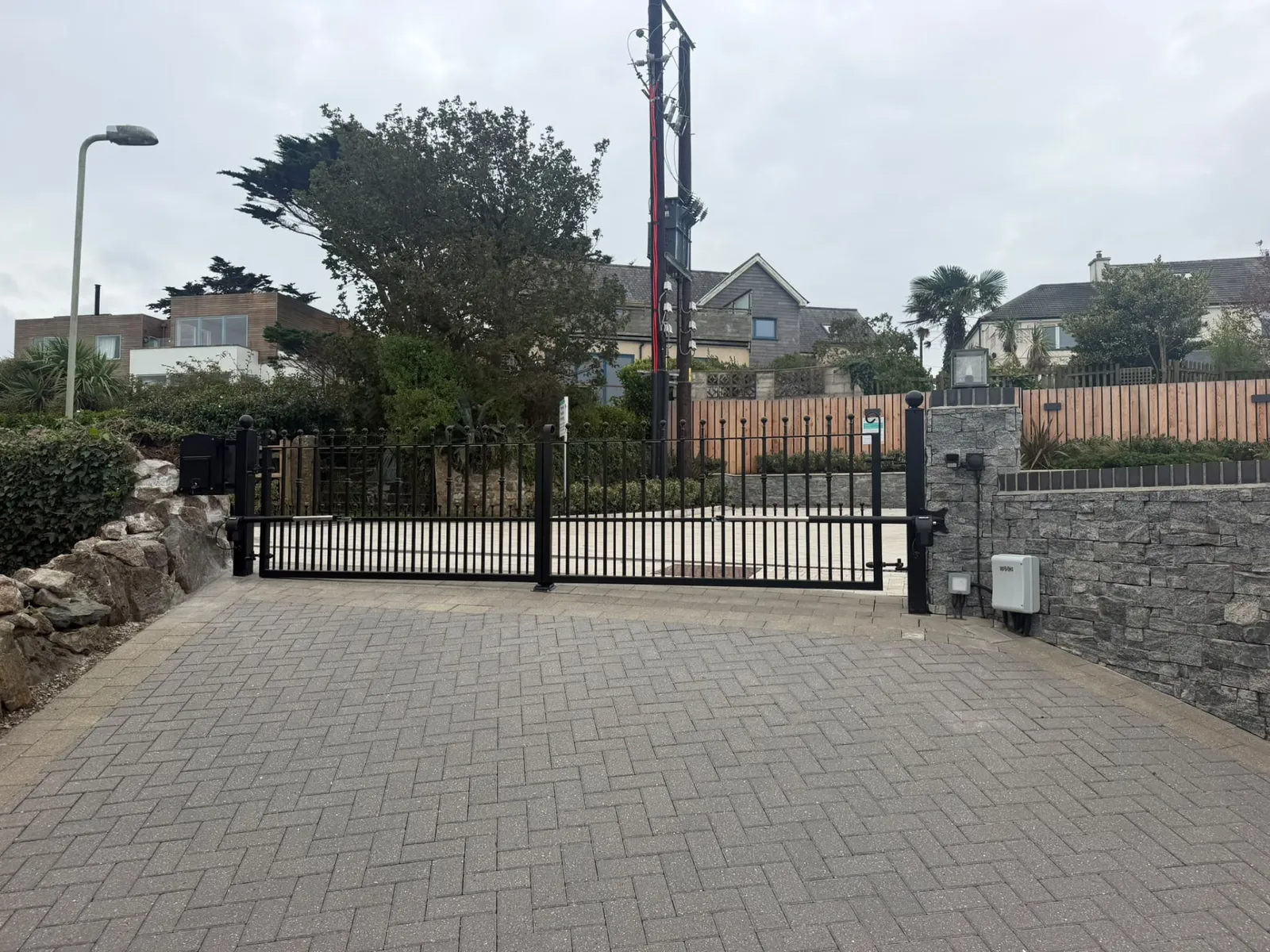
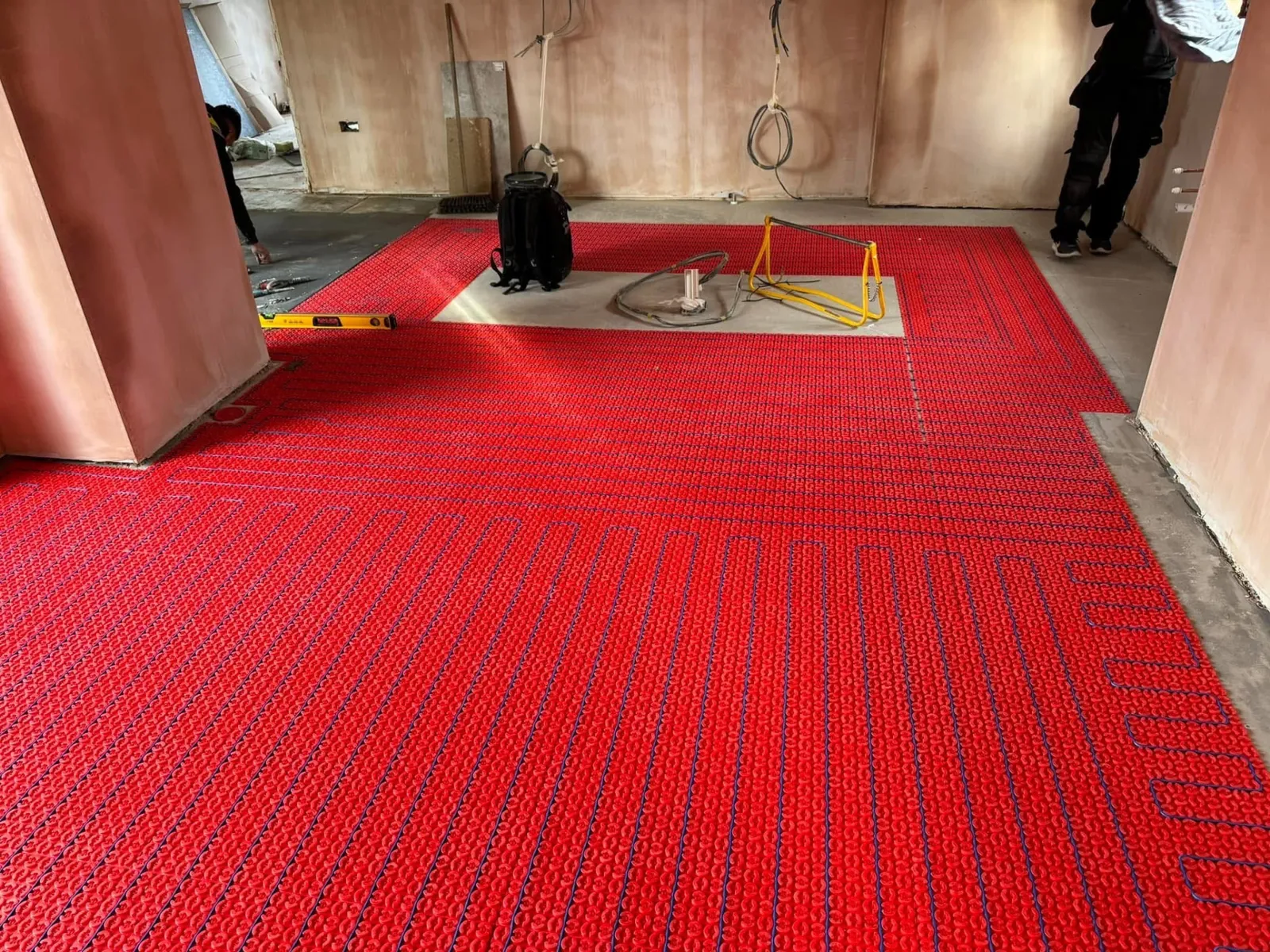
Photographs from jobs across Staffordshire and the West Midlands, all our own work, none of it stock imagery. Scroll along for more.
What customers say
Reviews from the electrical side of the business
Every review below was left for electrical work carried out as Stretton Electrical. We use them as proof of how we work, not as evidence of groundworks, aircon or building jobs.
“Done a full rewire and remodelling of my humble home and co-ordinated with other trades marvellously to pull it together.”
“I've used Stretton Electrical twice now and have been really pleased with the work. On both occasions the job was neat and the area left tidy.”
“Sam was great. He came as soon as possible and identified the issue immediately. He fixed it promptly and went above and beyond.”
Straight answers
Building Work: questions we get asked
Cost, timescales, guarantees and availability, answered as plainly as we can.
How much does building work cost?
We price on day rates that vary with the operatives a job needs, plus materials, so we do not publish figures. You get a written scope and a price for your specific project.
How long will my project take?
It depends on the scope and on how many trades are involved. You get a sequence with your price, and you are told promptly if anything found on site changes it.
Do you handle the whole project or just parts of it?
Both. Often we are already doing the groundworks or the electrics and the building work is the rest of the same project; sometimes it is a single element such as an opening or an outbuilding.
Do you co-ordinate other trades?
Yes. Sam co-ordinates the trades we do not cover, which customers have specifically mentioned on renovation projects where several trades had to work together.
Is the work guaranteed?
Yes, a 1-year guarantee on all work, with £5m public liability, £10m employer's liability and £250,000 professional indemnity insurance behind it.
Are you insured to work on my property?
Yes, and every operative on site holds a current CSCS or ECS card. We can provide insurance details before work starts.
Will the electrical work be certified?
Yes. Electrical work is our primary trade, the company is NAPIT registered, work is tested and certified, and notifiable work is registered through the scheme.
What if my project needs a trade you do not cover?
We tell you at quote stage and either bring in a specialist or hand that element to you clearly, rather than discovering it once the work has started.
Can you finish work another contractor left?
Often, yes, but we assess what is actually complete first. We will not guarantee work we did not carry out or cover up without inspecting it.
Which areas do you cover?
Staffordshire and the West Midlands from our Burntwood base, including Lichfield, Cannock, Rugeley, Tamworth, Walsall and Sutton Coldfield.
One contractor from the ground to the finish
Tell us what you want the finished property to look like. We will tell you which trades it needs, what we cover ourselves, and what it will cost.
Request an estimate
Tell us about the job
Send the details and we'll come back to you with a price for your specific job. If it's urgent, call instead, you'll get through to Sam or someone on the team.
- Phone
- 07812 971397
- info@stret.co.uk
- Hours
- 8am–6pm, Monday to Friday · occasional weekend work
- Covering
- Staffordshire and West Midlands, from our base in Burntwood