
Our services
EICR Inspection & TestingSpecialists in Burntwood
A full condition report on your wiring, coded by urgency and explained in plain English by a City & Guilds 2391 qualified electrician, so you know what has to be done now, what can be planned, and what is only a recommendation.
City & Guilds 2391 · NAPIT registered · Remedials quoted from the report
16 years
In the construction industry
NAPIT
Registered for electrical work
F-Gas
Certified for air conditioning
£5m
Public liability insurance
1 year
Guarantee on all trades
Electrical inspection & testing (EICR)
An Electrical Installation Condition Report tells you the real state of the wiring in a property, graded by how urgent each issue is. Sam holds City & Guilds 2391, the inspection and testing qualification specifically, so the report is produced by someone qualified to interpret what the tests show.
What an EICR is
An Electrical Installation Condition Report is a systematic inspection and test of a property's fixed wiring. Circuits are visually inspected and then tested, continuity, insulation resistance, polarity, earth fault loop impedance and RCD operation, and every defect found is coded by how serious it is. The report ends with an overall assessment of satisfactory or unsatisfactory.
Sam holds City & Guilds 2391, the inspection and testing qualification specifically, alongside the 18th Edition wiring regulations and a Gold ECS card, and the company is NAPIT registered. That matters because an EICR is a judgement exercise as much as a measurement one: the instrument gives a number, and the qualification is what turns that number into the right code.
Who it is for
Landlords, who must have a satisfactory report on rented property in England. Homeowners who have never seen a certificate for their wiring, or who are about to spend money on a kitchen, bathroom or extension and want to know what they are building onto. Buyers who want the electrics assessed before exchange rather than discovered afterwards. And anyone who has bought a property where previous work was clearly done but nothing was ever certified.
When it is needed
Rented homes in England need a satisfactory EICR at least every five years and at change of tenancy. Owner-occupied homes are generally recommended at around ten-year intervals, sooner for older installations. A report is also worth having before a purchase, after any significant unrecorded alteration, when a property has been empty for a long time, and where there are visible warning signs, scorching at a socket, repeated tripping, or a rewireable fuse box still in service.
Why professional inspection matters
Almost none of what an EICR finds is visible. A circuit with degraded insulation, a missing earth at a lighting point, an undersized or unprotected cable buried in a wall, or an RCD that no longer trips inside the required time all look exactly like a working installation until they are tested.
Coding is the other half. The difference between a C2, potentially dangerous, requiring remedial action, and a C3 improvement recommendation determines whether you have to spend money now or can plan it. Over-coding turns a sound installation into an unnecessary bill; under-coding leaves a real risk in place and a landlord exposed.
A report you can actually act on
C1, C2, C3 and FI codes mean very little on their own. We go through the findings with you and tell you what has to be done now, what should be planned, and what is simply an improvement recommendation.
Landlord obligations
Rented homes in England need a satisfactory EICR at least every five years and at change of tenancy. We can carry out the inspection, quote any remedials, and re-issue once they're complete.
What this covers
- Full EICR for homeowners
- Landlord reports for rented property
- Pre-purchase inspections
- Remedial work quoted from the report
- Retest and certification after remedials
- Plain-English explanation of every code
What's at stake
What happens if it's left
Not scare tactics, these are the situations we are actually called out to fix, and what they cost once they escalate.
What ignoring the wiring leads to
Deterioration in a fixed installation is gradual and silent. Terminals work loose and heat up under load, insulation on old rubber or fabric-sheathed cable becomes brittle and falls away when disturbed, and earthing that was adequate decades ago no longer matches current requirements. Each of these produces either a shock risk or a fire risk, and none announces itself.
For rented property the consequence is also regulatory. Letting without a valid satisfactory report leaves a landlord in breach, and where an incident occurs the absence of any inspection record is the first thing anyone asks about.
Costs that escalate
A C2 found during a planned inspection is a scheduled repair. The same fault found after a failure is an emergency callout plus whatever damage came with it, plus the disruption to a tenant. Finding out during a sale is worse still: unsatisfactory reports at that point become retentions, price reductions or delays, all negotiated under time pressure.
Common mistakes we see
Accepting a visual-only check as an EICR, a real report is tested, not looked at. Treating an installation certificate for one new circuit as a condition report for the whole property. Assuming a recently fitted consumer unit means the installation is sound, when the circuits behind it were never upgraded. And going straight to a rewire quote because a report contained several codes, when the actual remedial list is often much shorter and targeted.
Our process
How the job runs, start to finish
The same sequence every time, so you know what happens next and when.
Step 1
Agree scope and access
We confirm the property, the number of circuits and the extent of testing, and agree a time. Accessible sockets, the board and the loft need to be reachable on the day.
Step 2
Inspect
A visual inspection of the board, accessories, cable types, earthing and bonding, and any signs of damage, overheating or unsuitable previous work.
Step 3
Test
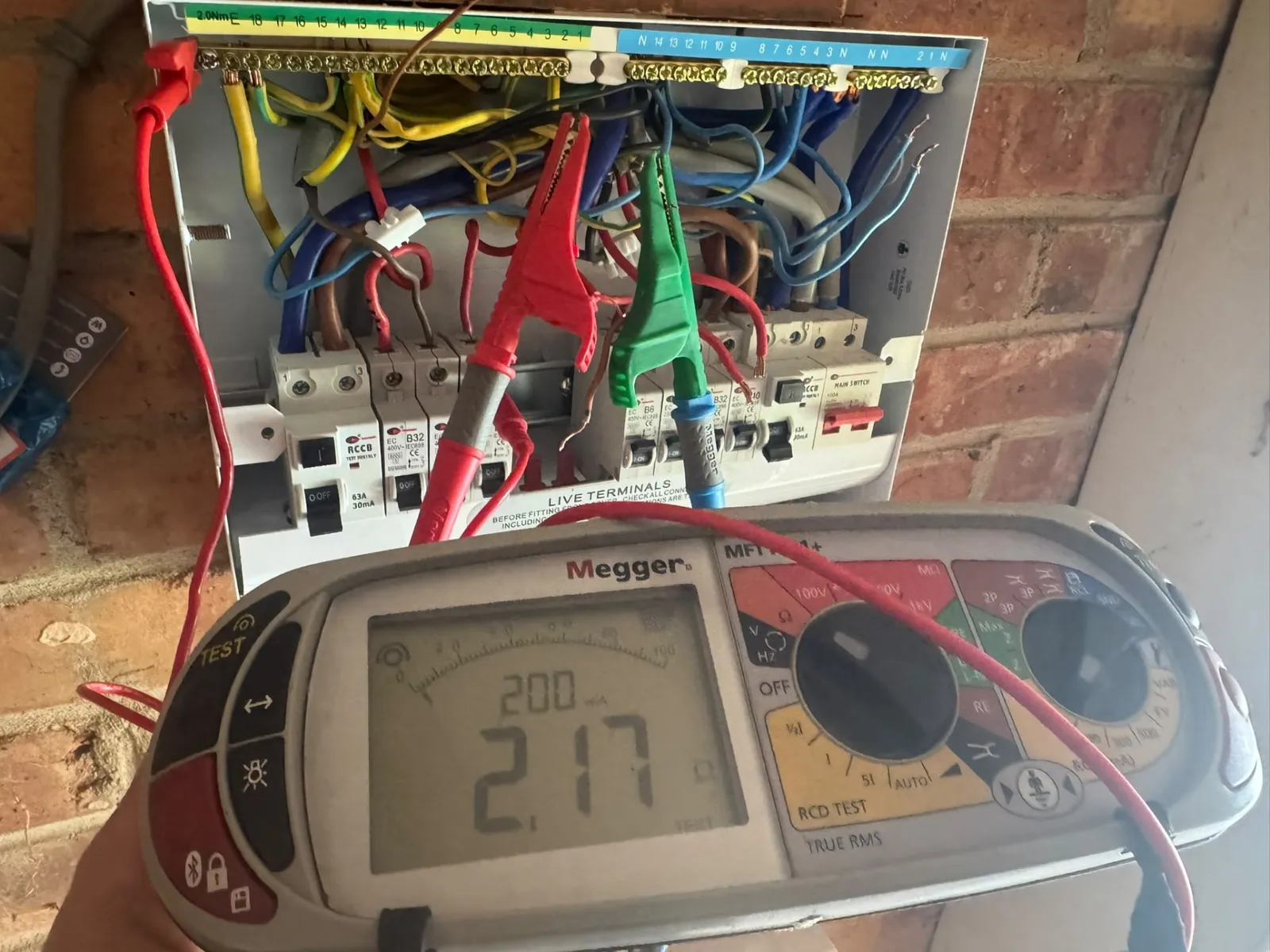
Circuits are isolated and tested, continuity, insulation resistance, polarity, earth loop impedance and RCD timings, with results recorded circuit by circuit.
Step 4
Code and report
Every defect is coded C1, C2, C3 or FI, and you receive the report with an overall satisfactory or unsatisfactory outcome plus a plain-English explanation of each item.
Step 5
Remedials and retest
Where remedial work is needed we quote it from the report, carry it out, then re-issue so you hold a satisfactory report and the certification.
What you get
What this actually gives you
Every job carries 1-year guarantee on all work and is covered by our insurance.
Qualified interpretation
2391 inspection and testing held, so codes reflect real risk instead of being inflated or missed.
A report you can act on
Each code explained in order of urgency: what must be done now, what should be planned, what is optional.
Compliance evidence
Documentation you can give a tenant, a letting agent, a buyer's solicitor or an insurer.
Remedials from the same contractor
We quote and carry out the remedial work, then re-issue the report, no second contractor needed to close the loop.
Hidden faults found early
Loose terminals, failing insulation and inadequate earthing found on a scheduled visit rather than after a failure.
Certified and guaranteed
NAPIT registered, notifiable remedial work registered through the scheme, and a 1-year guarantee on the work we carry out.
In detail
Materials, methods and variations
The specifics behind the work, for anyone who wants to know exactly what they're buying.
What the codes mean
C1 means danger present, a risk of injury that requires immediate action, and we make it safe on the day wherever possible. C2 means potentially dangerous: not an immediate risk but one that requires remedial action, and it drives an unsatisfactory result. FI means further investigation is required because something could not be resolved during the inspection. C3 means improvement recommended: the installation does not meet the current standard but is not unsafe, and a C3 on its own does not make a report unsatisfactory.
A report with two C2s and four C3s often reads alarmingly and resolves into a short, targeted remedial list. We go through it with you rather than emailing a PDF and leaving you to interpret it.
Testing methods and limitations
Testing is carried out with calibrated instruments on isolated circuits. Insulation resistance shows whether cable insulation has degraded; earth fault loop impedance shows whether a protective device will operate quickly enough in a fault; RCD timing tests show whether shock protection still works to specification. Polarity and continuity confirm that circuits are connected correctly throughout, including the protective conductors.
Every EICR carries agreed limitations, inspection is sampled at accessible points, and buried or concealed sections are assessed from what is reachable. Those limitations are recorded on the report rather than glossed over, and if something cannot be resolved it is coded FI rather than passed.
Variations of the inspection
A landlord EICR covers the whole fixed installation in a rented property and is the version with a statutory interval. A homeowner EICR is the same inspection carried out for peace of mind or before spending money on the property. A pre-purchase inspection is usually tighter in scope because access is limited, and the report is written with that in mind. A retest after remedial work re-issues the outcome once coded items have been cleared.
Domestic and commercial differences
Domestic inspections are largely about access and time in an occupied house, with power off circuit by circuit. Commercial premises have shorter recommended intervals, more distribution to test, and a real need to schedule outside trading hours, as well as emergency lighting and fire alarm systems reported separately from the fixed wiring. The test regime is the same; the planning and the paperwork are heavier.
Our work
A range of jobs we've carried out
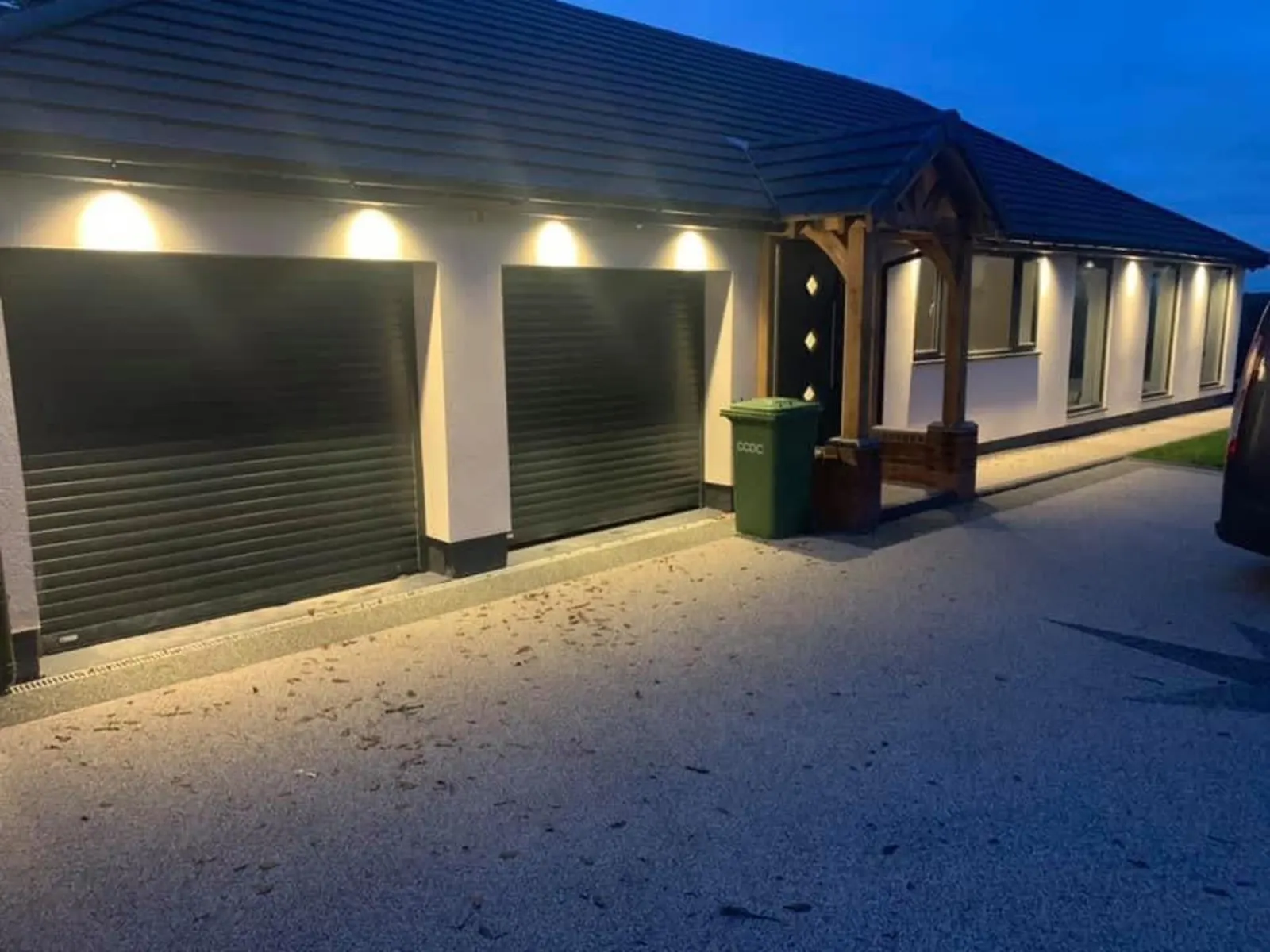
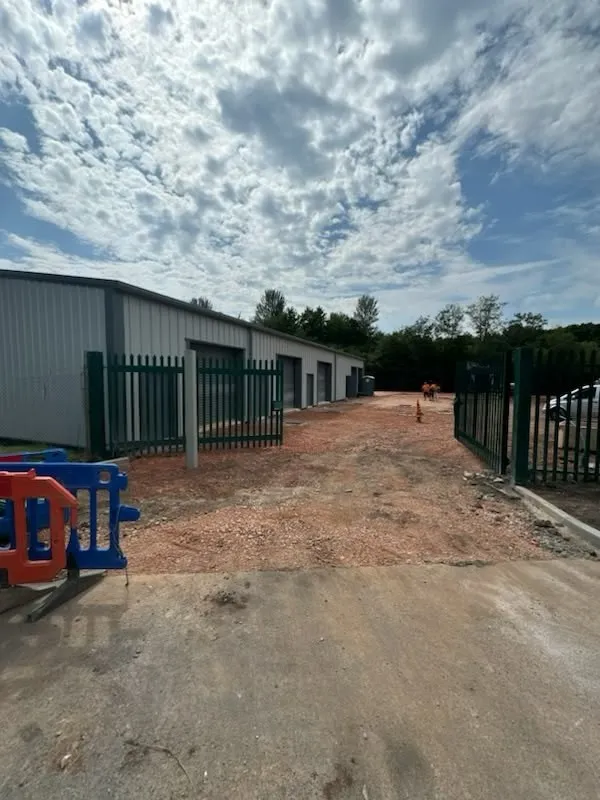
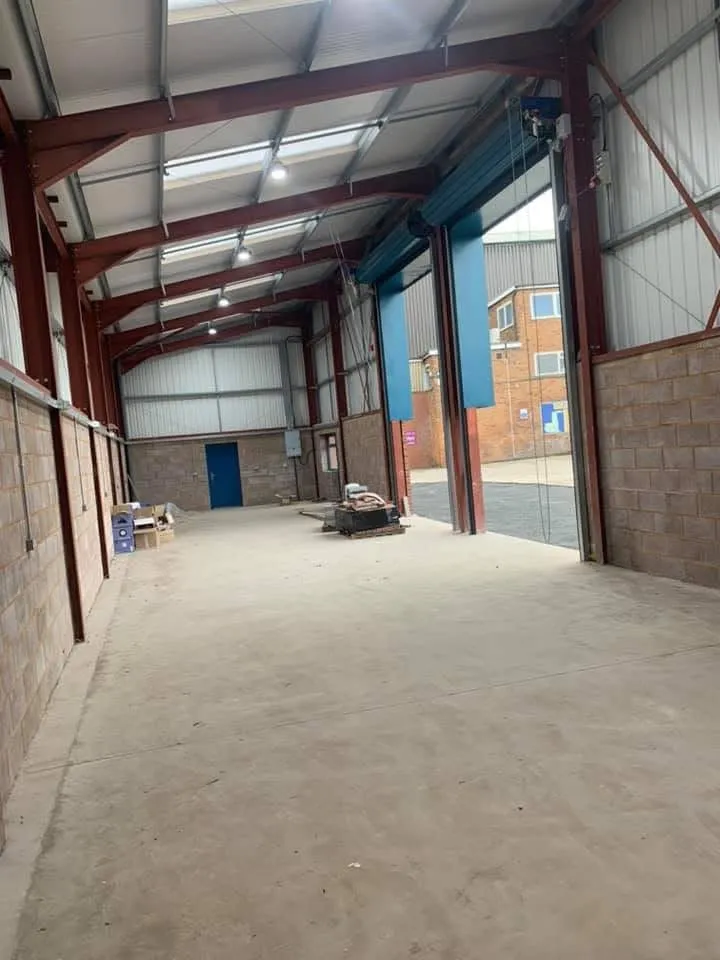
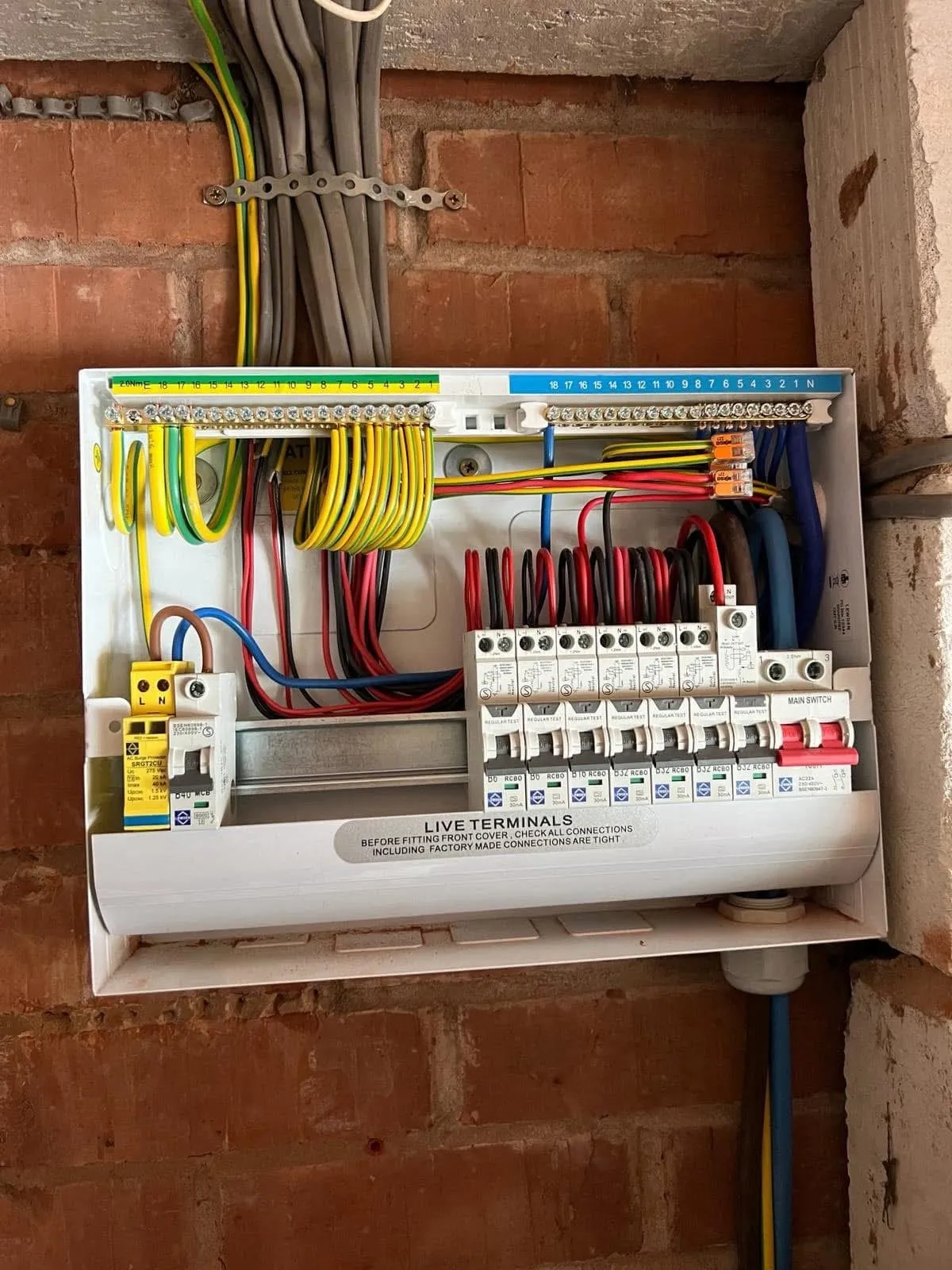
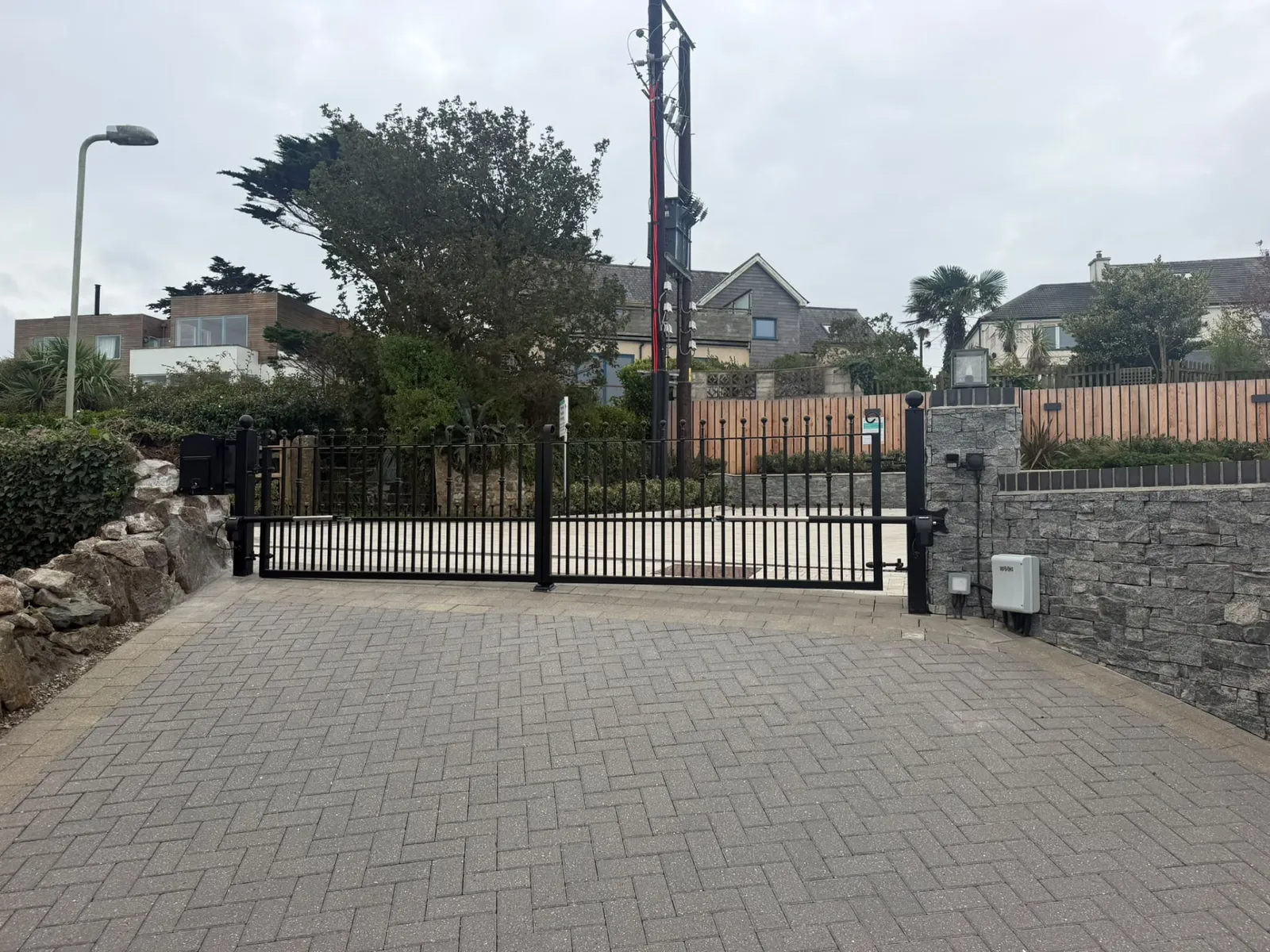
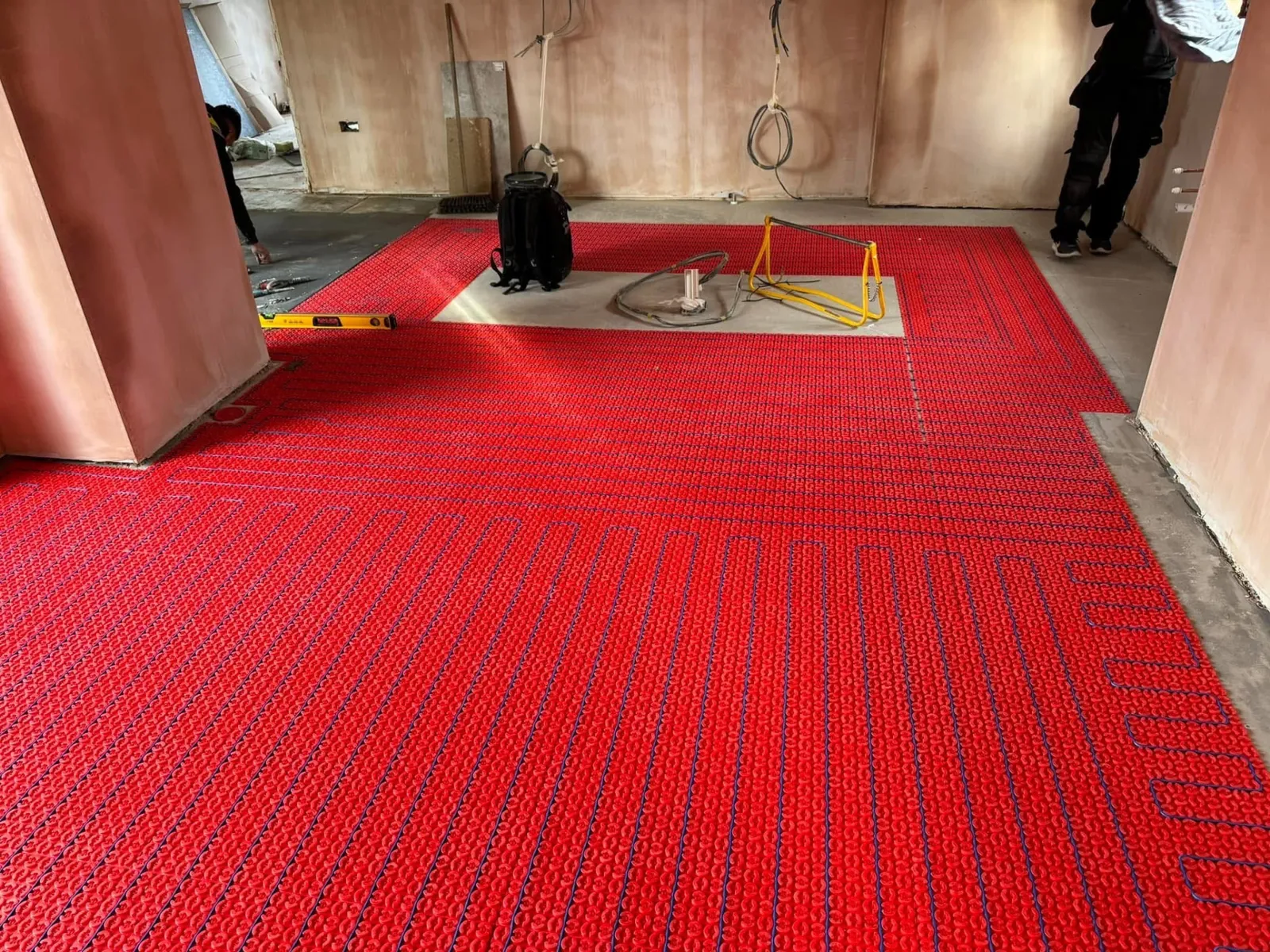
Photographs from jobs across Staffordshire and the West Midlands, all our own work, none of it stock imagery. Scroll along for more.





What customers say
Reviews from the electrical side of the business
Every review below was left for electrical work carried out as Stretton Electrical. We use them as proof of how we work, not as evidence of groundworks, aircon or building jobs.
“Done a full rewire and remodelling of my humble home and co-ordinated with other trades marvellously to pull it together.”
“I've used Stretton Electrical twice now and have been really pleased with the work. On both occasions the job was neat and the area left tidy.”
“Sam was great. He came as soon as possible and identified the issue immediately. He fixed it promptly and went above and beyond.”
Straight answers
EICR & Testing: questions we get asked
Cost, timescales, guarantees and availability, answered as plainly as we can.
How much does an EICR cost?
We price on day rates, and the time an inspection takes depends on the number of circuits and the access, so we do not publish figures. Tell us the property and the circuit count and you get a price for it.
How long does an EICR take?
A typical domestic property is usually a few hours to most of a day. Larger properties, multiple boards or awkward access take longer, and we tell you in advance what to expect.
Will my power be off?
Yes, circuit by circuit while each is tested rather than the whole day. If you need particular circuits kept live at specific times, tell us when booking and we will plan around it.
What happens if the report is unsatisfactory?
We explain each coded item, quote the remedial work, carry it out, and re-issue the report once the items are cleared. C1 items are made safe at the time wherever possible.
How often do landlords need one?
Rented homes in England need a satisfactory report at least every five years and at change of tenancy. We can inspect, quote remedials and re-issue so you hold valid documentation.
How often should a homeowner have one?
Around every ten years for an owner-occupied home, sooner for older installations, and before any significant work such as a kitchen, bathroom or extension.
Do you provide the certificate?
Yes, you receive the report itself, and notifiable remedial work carried out afterwards is registered through NAPIT.
Is a visual check the same thing?
No. A genuine EICR is inspected and tested with calibrated instruments. A visual-only check cannot assess insulation resistance, earth loop impedance or RCD operation, which is where most real defects appear.
Is remedial work guaranteed?
Yes, a 1-year guarantee on all work we carry out, with full insurance in place.
Which areas do you carry out EICRs in?
Staffordshire and the West Midlands from Burntwood, including Lichfield, Cannock, Rugeley, Tamworth, Walsall and Sutton Coldfield.
Find out what condition the wiring is actually in
Book an inspection and you will get a coded report, an explanation of every item, and a price for anything that needs doing.
Request an estimate
Tell us about the job
Send the details and we'll come back to you with a price for your specific job. If it's urgent, call instead, you'll get through to Sam or someone on the team.
- Phone
- 07812 971397
- info@stret.co.uk
- Hours
- 8am–6pm, Monday to Friday · occasional weekend work
- Covering
- Staffordshire and West Midlands, from our base in Burntwood