
Our services
Fuse Board Upgradesin Burntwood & Surrounding Areas
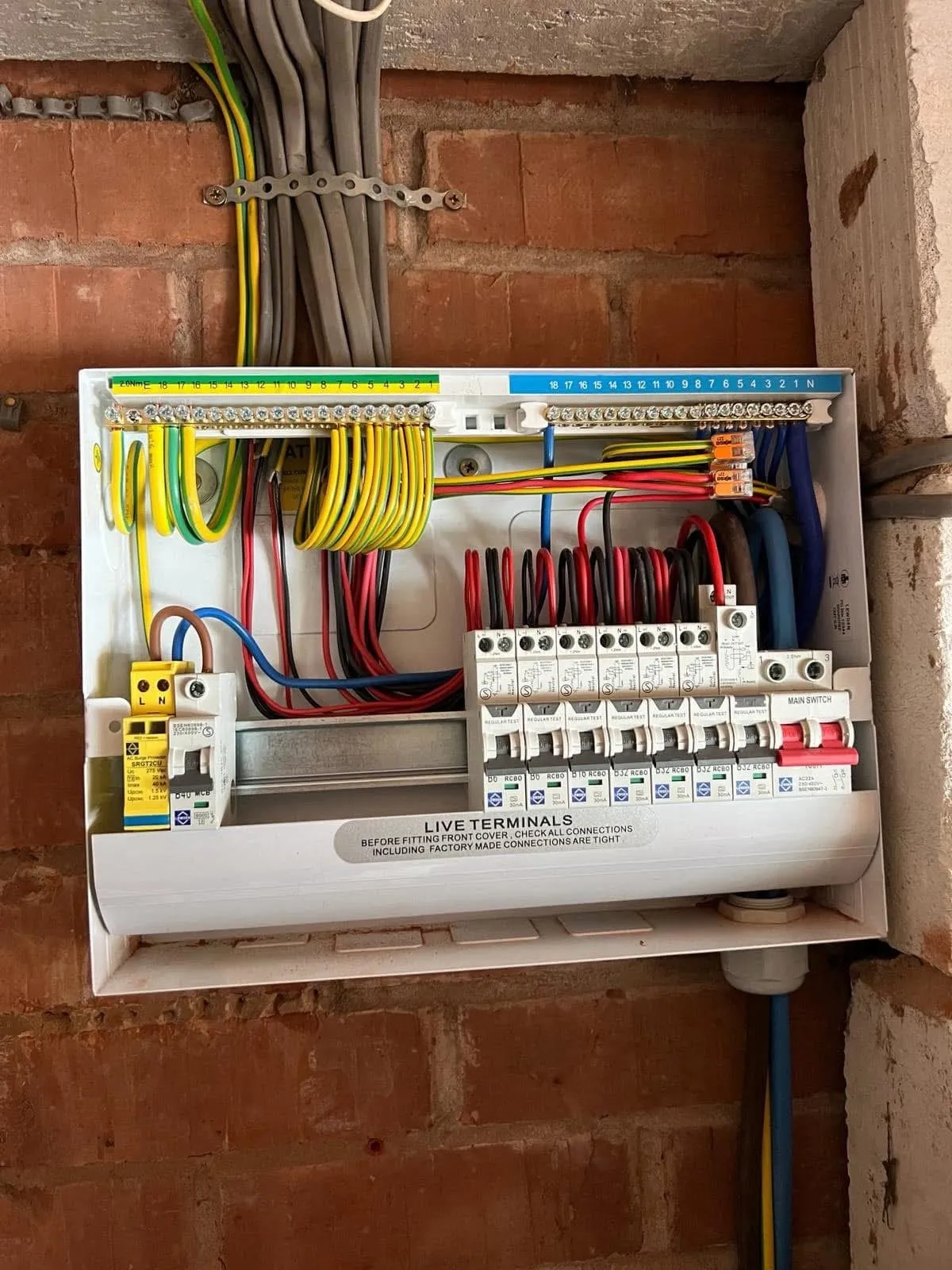
An old fuse box replaced with a steel-enclosed board giving every circuit its own RCBO protection, every circuit tested behind it, earthing and bonding brought up to standard, certified and registered through NAPIT, usually in a single day.
NAPIT registered · Tested and certified · 1-year guarantee
16 years
In the construction industry
NAPIT
Registered for electrical work
F-Gas
Certified for air conditioning
£5m
Public liability insurance
1 year
Guarantee on all trades
Consumer unit & fuse board upgrades
Older fuse boxes, rewireable fuses, plastic enclosures, no RCD protection, are one of the most common things we're called out to. A modern consumer unit isolates faults to a single circuit and gives you the shock protection the regulations now require.
What the work involves
Replacing an existing fuse box or consumer unit with a modern board: individual RCBO protection per circuit, surge protection where appropriate to the installation, main switch and isolation, circuit testing and clear labelling, and earthing and bonding brought up to the current standard. Notifiable work is registered through NAPIT and you receive certification on completion.
Older boards, rewireable fuses, plastic enclosures, a single RCD covering half the house, or no RCD at all, are among the most common things we are called out to. A modern board isolates a fault to one circuit and provides the shock protection the regulations now require, which a rewireable fuse simply cannot.
Who it is for
Homeowners with a fuse box that predates RCD protection, or one that trips and takes out several circuits at once. Landlords who have had a C2 or C3 raised on an EICR about the board, earthing or bonding. Anyone fitting an EV charger, an electric shower, a hot tub or a new kitchen, where the existing board cannot accommodate or protect the new circuit. And buyers of older properties where the board is the first thing an electrician comments on.
When it is needed
When the board still uses rewireable fuses or cartridge fuses. When there is no RCD protection, or one RCD covering many circuits so that a single fault blacks out most of the house. When the enclosure is plastic and sited under a wooden staircase or in an escape route. When an EICR has coded the board, the earthing or the main bonding. And when a new high-demand circuit needs to be added and there is no way to protect it properly on the existing board.
Why it is not a like-for-like swap
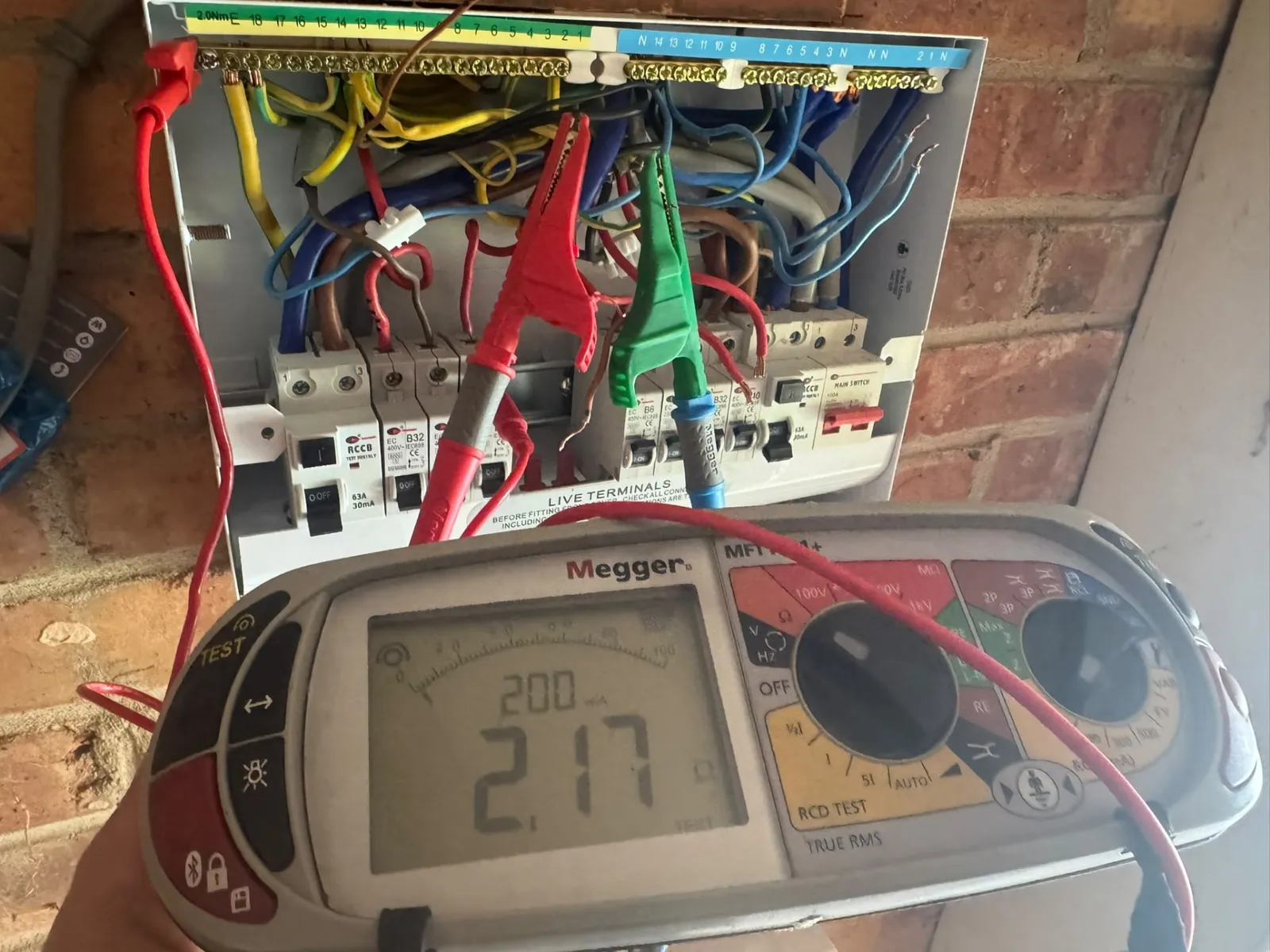
A board change is a test job. Every circuit behind the new board has to be tested before it can be signed off, which is exactly how pre-existing faults come to light, a borderline insulation reading, a missing earth on a lighting circuit, or main bonding that was never installed to the incoming water and gas services.
That is also why a board change occasionally uncovers work that has to be done before certification is possible. We tell you as soon as we find it, with the options and the cost, rather than fitting the board and issuing paperwork that does not reflect the installation.
It's a test job, not just a swap
A board change means every circuit behind it gets tested. That's how pre-existing faults come to light, and why a board change occasionally uncovers work that needs doing before the new board can be signed off. We tell you as soon as we find it.
One day, in most homes
A straightforward domestic board change is usually a single day with the power off for part of it. We'll tell you what to expect before the day.
What this covers
- Full consumer unit replacement
- Individual RCBO protection per circuit
- SPD surge protection where appropriate
- Circuit testing and labelling
- Earthing and bonding brought up to standard
- Certification and NAPIT notification
What's at stake
What happens if it's left
Not scare tactics, these are the situations we are actually called out to fix, and what they cost once they escalate.
What an old board cannot do
A rewireable fuse protects the cable from overload. It does not provide the fast disconnection that protects a person, which is what RCD protection is for: a nail driven into a buried cable, a mower through a flex, a damaged socket in a child's bedroom. Older boards were designed for a different era of appliance load and a different standard of protection.
Plastic enclosures are a separate concern. Where a loose connection overheats inside a plastic board, the enclosure itself can contribute to a fire, which is why steel enclosures became the requirement for domestic consumer units.
Consequences of putting it off
In the short term you live with nuisance blackouts, one fault taking out lighting and sockets across the house because everything sits behind one RCD. In the longer term, the risks the regulations were written to address stay in place, and any electrical work you want to add is constrained by a board that cannot protect it.
There is also the paperwork angle: an unsatisfactory EICR driven by the board affects landlords immediately and homeowners at the point of sale.
Common mistakes we get called to
A new board fitted without testing the circuits behind it, so the installation looks modern and remains unverified. Earthing and main bonding left as found, meaning the board is new but the fundamental protection is not there. Breakers uprated to stop something tripping, which removes the protection instead of finding the fault. And a board fitted by somebody unregistered, so the work was never notified and there is no certificate.
Our process
How the job runs, start to finish
The same sequence every time, so you know what happens next and when.
Step 1
Survey the installation
We look at the existing board, the incoming supply and earthing arrangement, main bonding, circuit count and cable types, so we know what the new board has to serve.
Step 2
Quote, including the unknowns
You get a price for the change and a clear statement of what happens if testing reveals a circuit that cannot be signed off as it stands.
Step 3
Change the board
Supply isolated, circuits identified and transferred to individual RCBOs, surge protection fitted where appropriate, enclosure secured and everything labelled.
Step 4
Test every circuit
Continuity, insulation resistance, polarity, earth loop impedance and RCD timings on each circuit. Anything found is explained with options before you are asked to decide.
Step 5
Certify and register
Certification issued, notifiable work registered through NAPIT, area left clean. The work carries a 1-year guarantee.
What you get
What this actually gives you
Every job carries 1-year guarantee on all work and is covered by our insurance.
Faults isolated to one circuit
Individual RCBO protection means a fault in the garden lighting does not take out the sockets, the boiler and the freezer with it.
Shock protection to current standard
RCD protection across circuits that need it, installed and verified by an 18th Edition qualified electrician.
Every circuit verified
The whole installation behind the board is tested, so you find out what condition it is in rather than assuming.
Ready for what you add next
A board with capacity and proper protection for an EV charger, a shower, a hot tub or a kitchen circuit later.
Usually a single day
A straightforward domestic board change is normally one day, with power off for part of it, and we tell you what to expect beforehand.
Certified, registered, guaranteed
Certification issued, notifiable work registered through NAPIT, and a 1-year guarantee on the work.
In detail
Materials, methods and variations
The specifics behind the work, for anyone who wants to know exactly what they're buying.
What goes into a modern board
A steel enclosure, a main switch, and a protective device for each circuit. We fit RCBOs per circuit rather than grouping circuits behind shared RCDs, because a single RCBO combines overcurrent and residual current protection for that circuit alone and removes the blackout problem entirely. Surge protection is installed where it is appropriate to the installation and the equipment in the property.
Earthing and main protective bonding are checked as part of the work: the main earthing conductor sized correctly for the supply type, and bonding to incoming water and gas services where they are extraneous conductive parts. This is frequently where an older installation falls short, and it is fundamental rather than optional.
Variations of the work
A straight board change on a sound installation. A board change with remedial work, where testing identifies circuits needing attention first. A board change as part of a partial or full rewire, where the new circuits and the board are installed together. And a board change combined with adding a new circuit, an EV charge point or an electric shower, which is usually the most economical way to do both.
Supply types vary too. TN-S, TN-C-S and TT earthing arrangements each affect the protective devices required, and a TT installation in particular needs its arrangement verified rather than assumed.
Situations this applies to
Properties last wired before RCD protection became standard. Houses with a plastic board in a hallway or under a staircase. Installations where an EICR has coded the board, the earthing or the bonding. Homes where the existing board is full and a new circuit is needed. Rental properties being brought up to a lettable standard. And houses where several previous alterations have left an unlabelled board nobody can interpret.
Domestic and light commercial differences
Domestic work is about minimising the time the house is without power and labelling the board so the person living there can use it. Light commercial adds out-of-hours working, distribution boards rather than a single consumer unit, and labelling and documentation for whoever maintains the premises afterwards. The testing regime is the same.
If a board change is being done ahead of other work, a kitchen, a rewire, groundworks with external supplies, tell us at quote stage and we will sequence it so the board only comes out once.
Our work
A range of jobs we've carried out
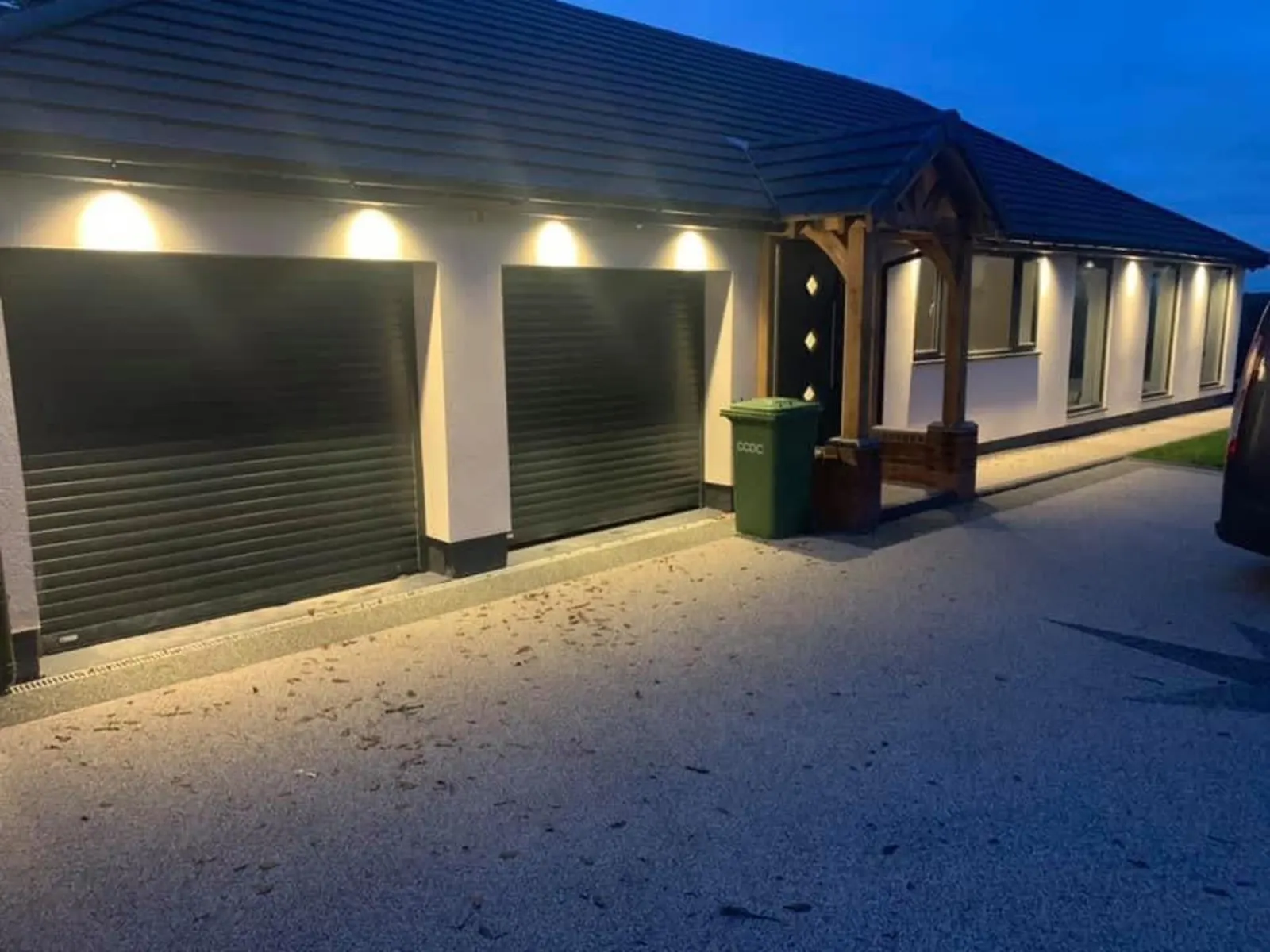
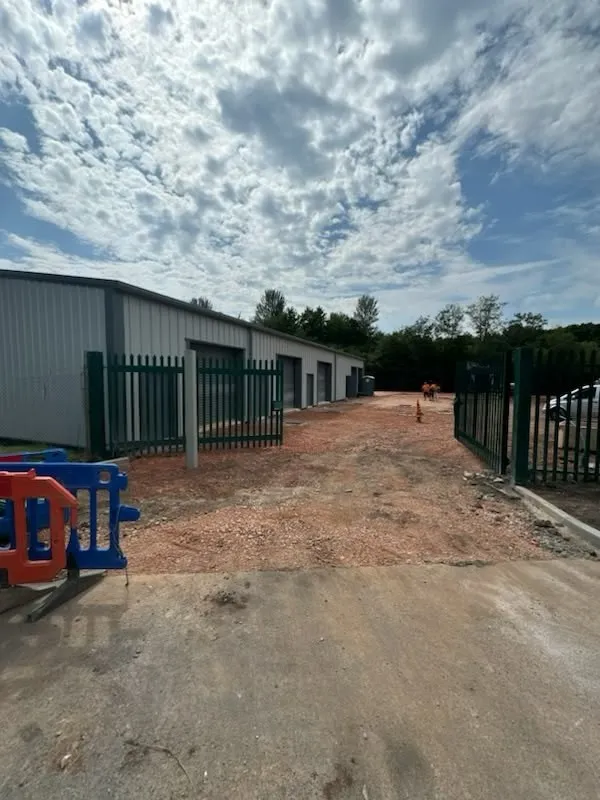
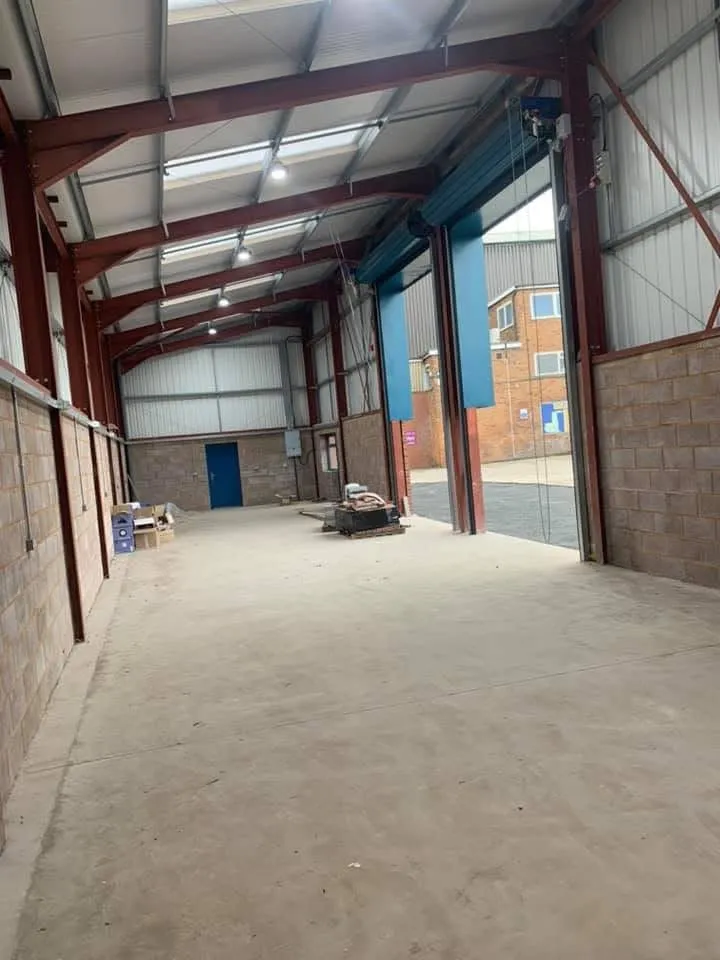
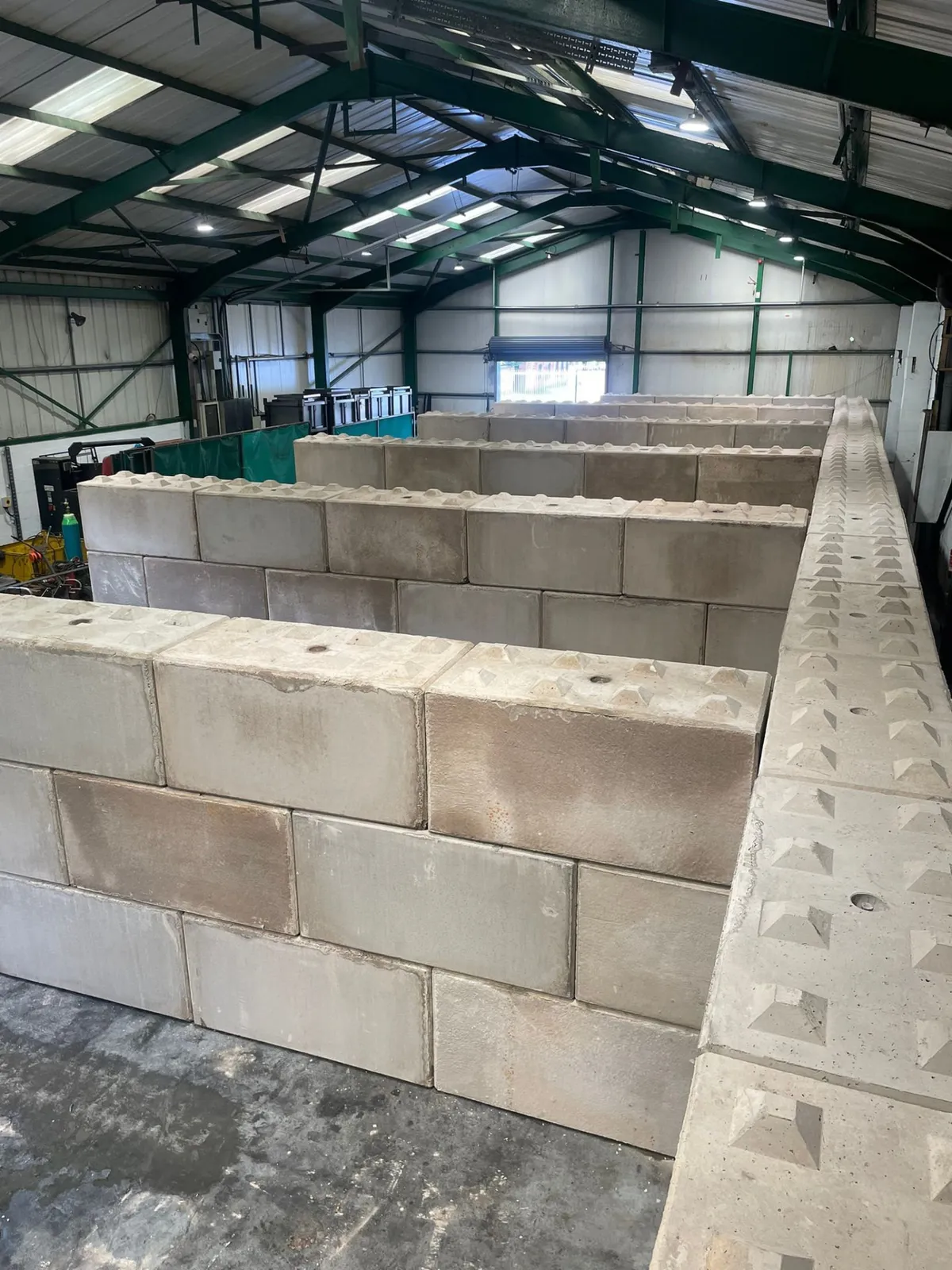
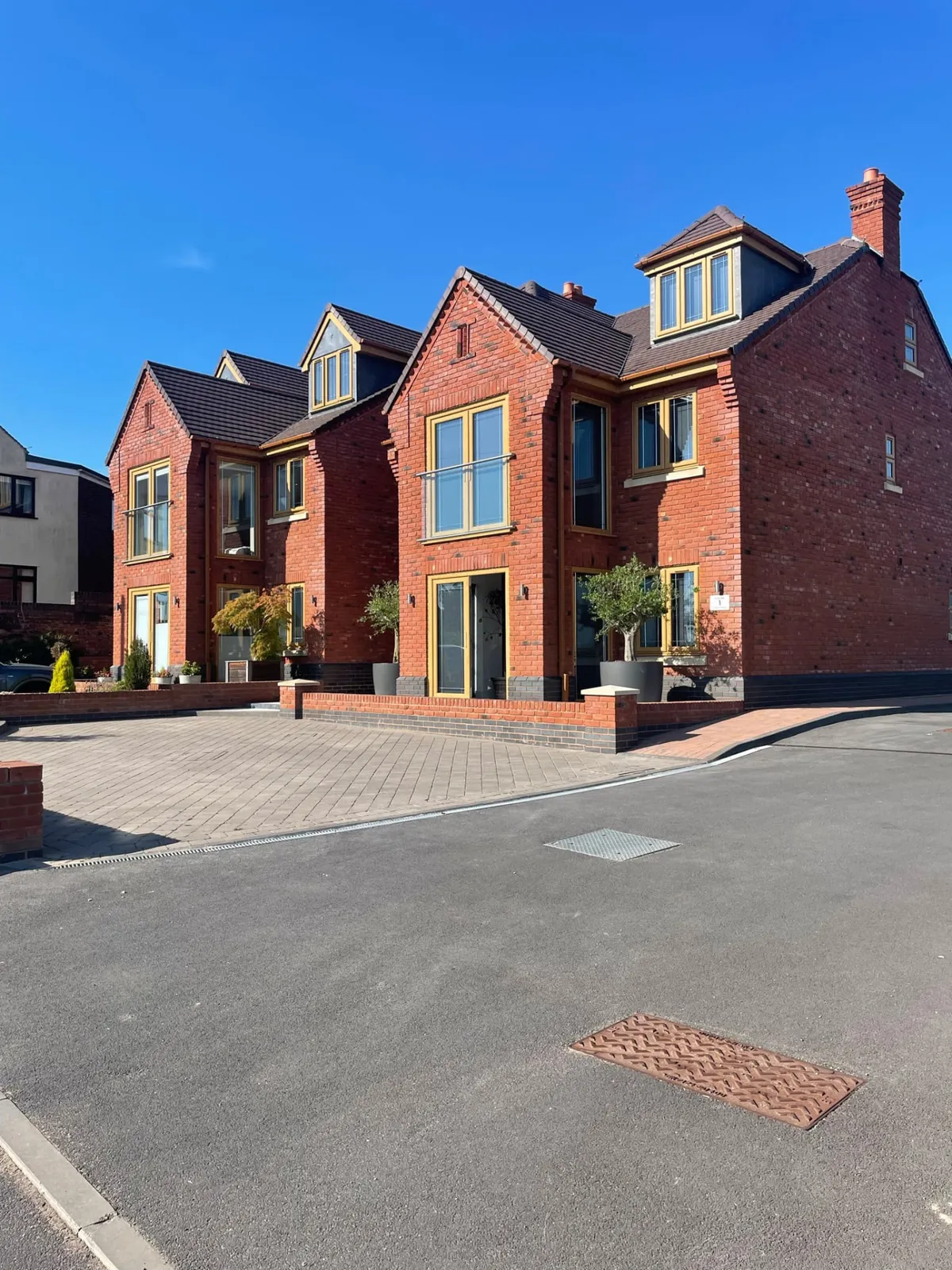
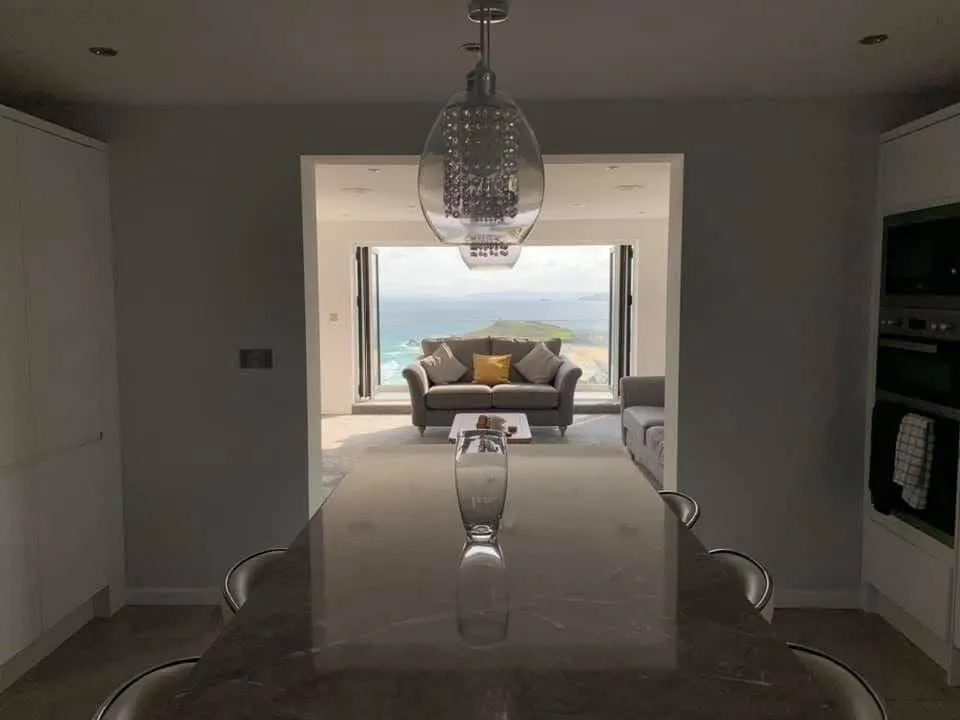
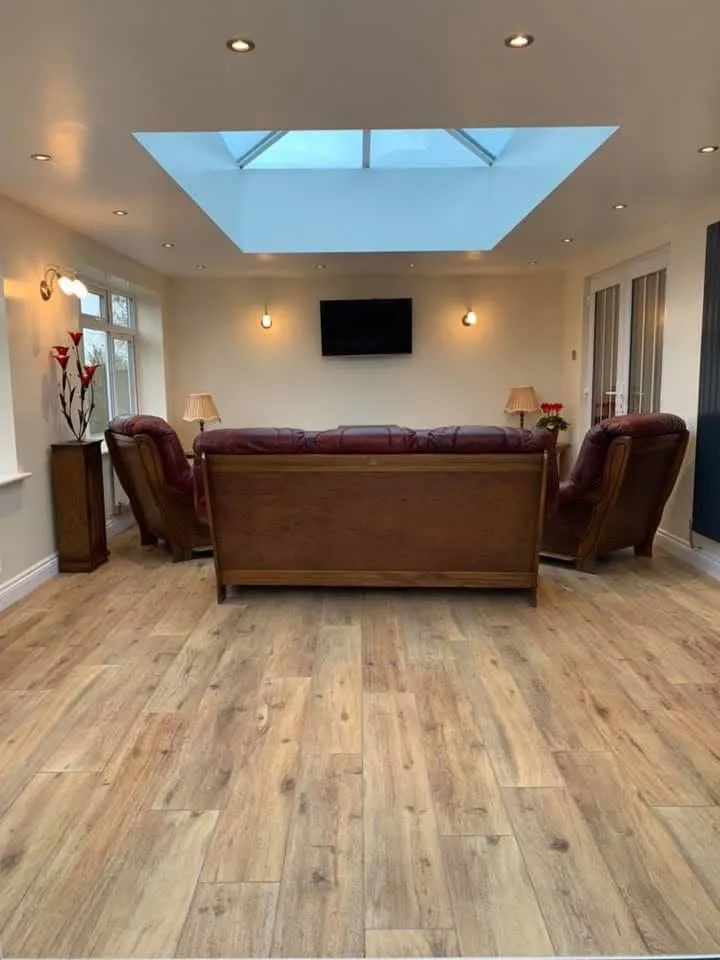
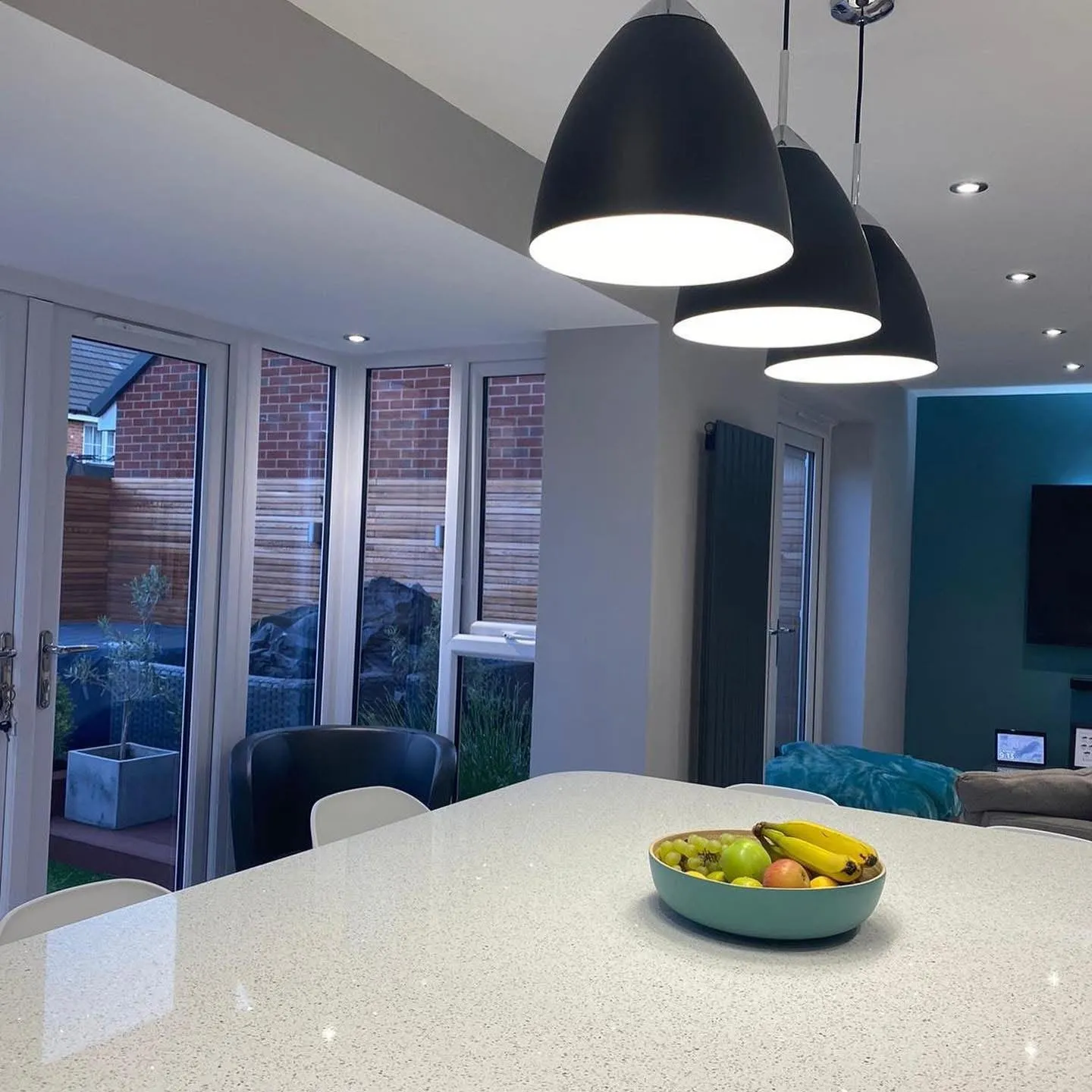
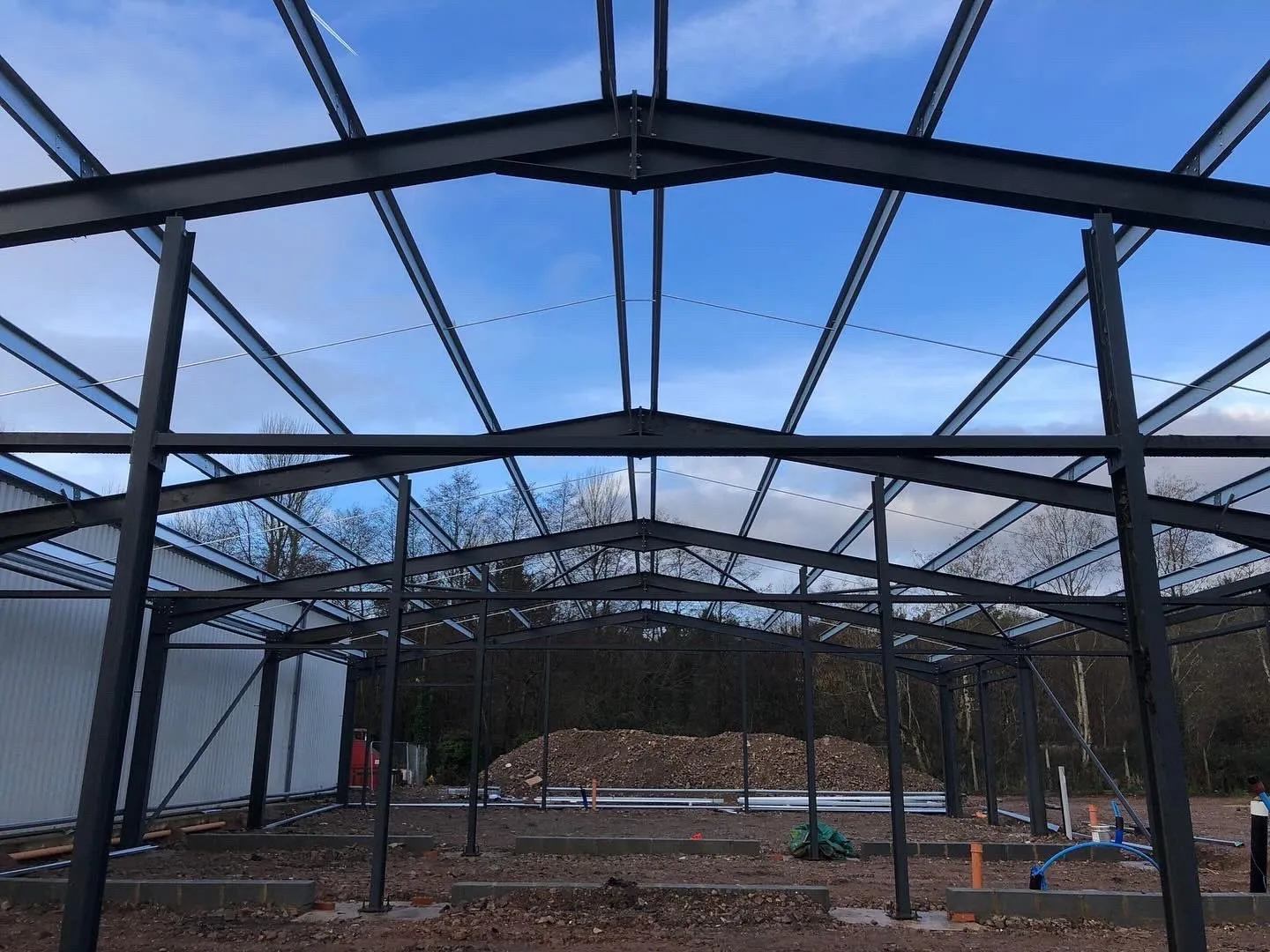
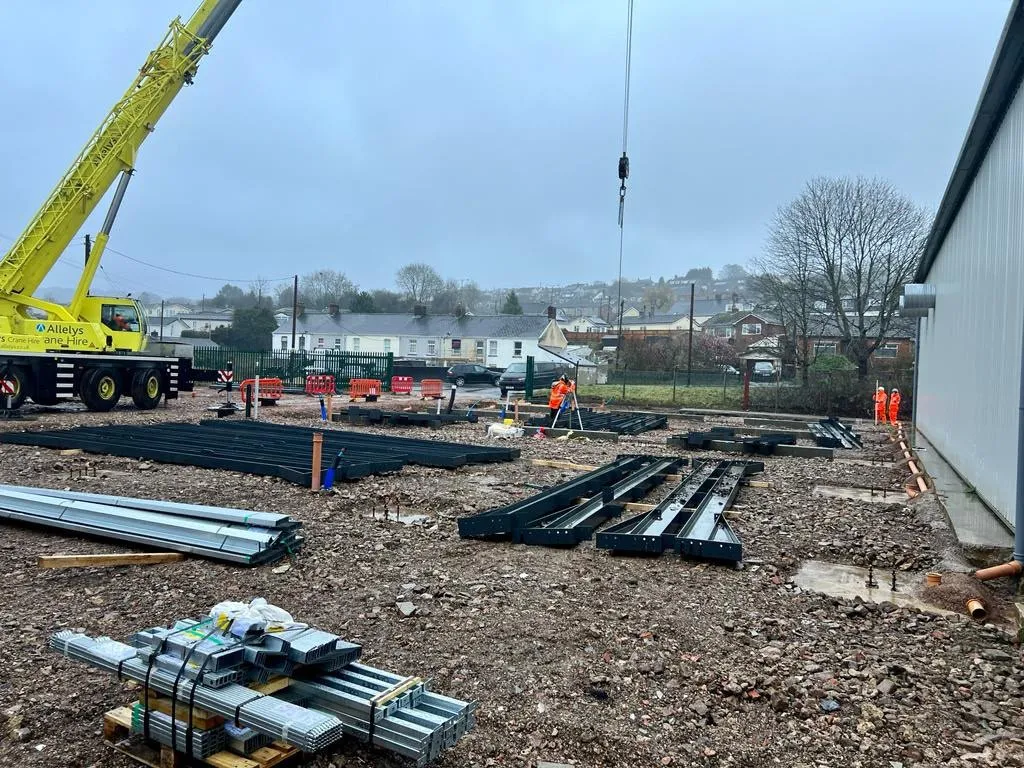
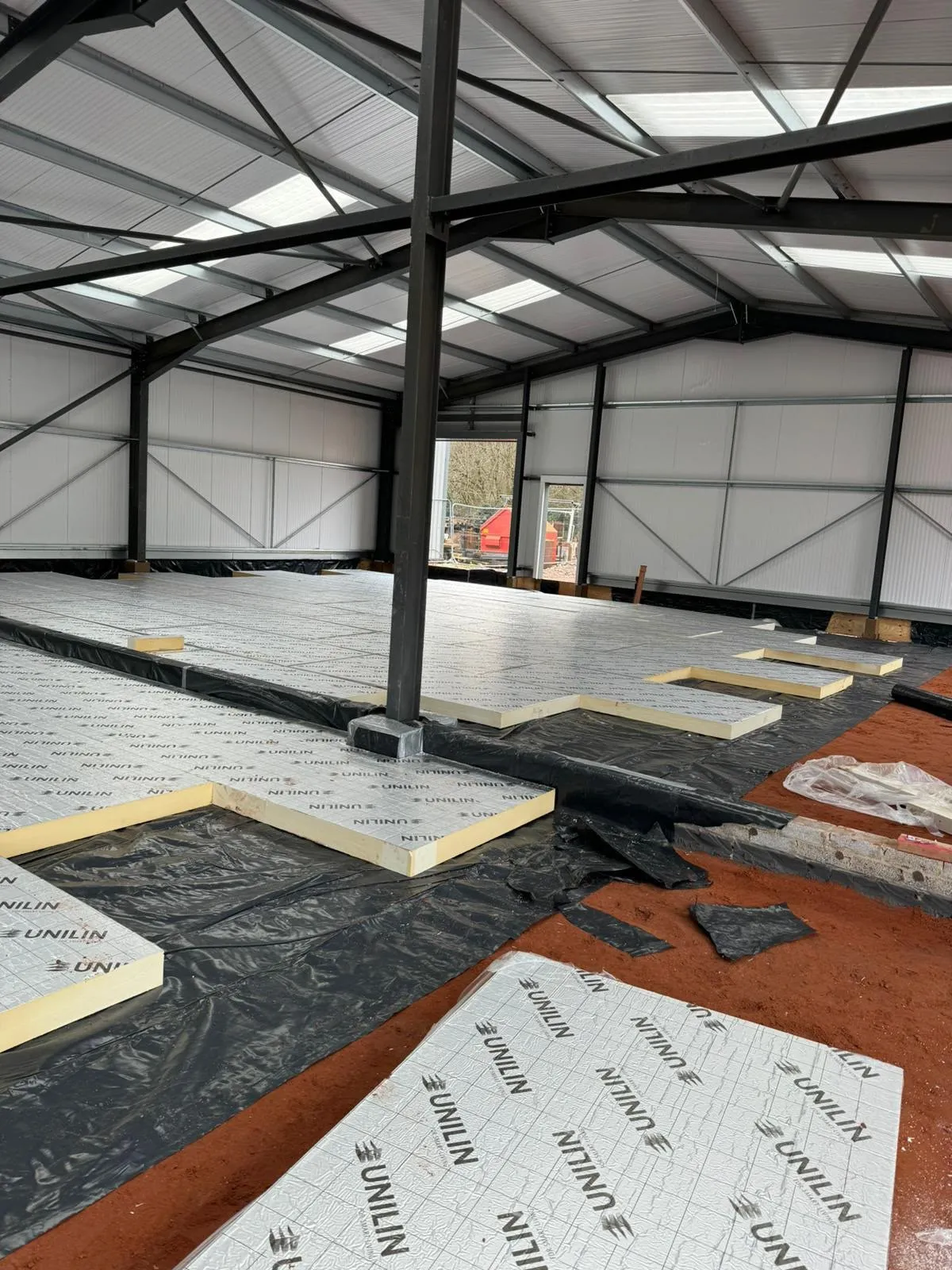
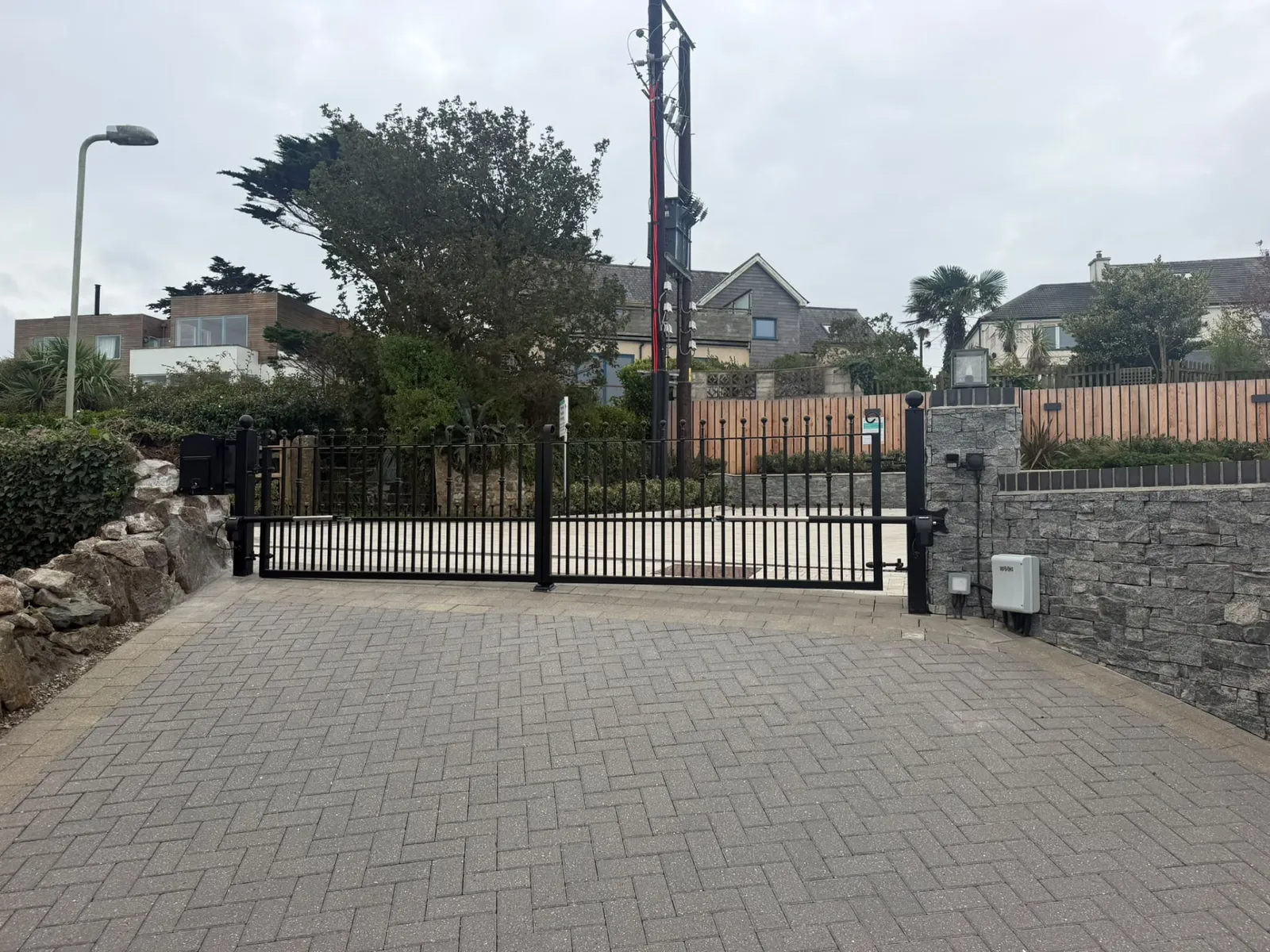
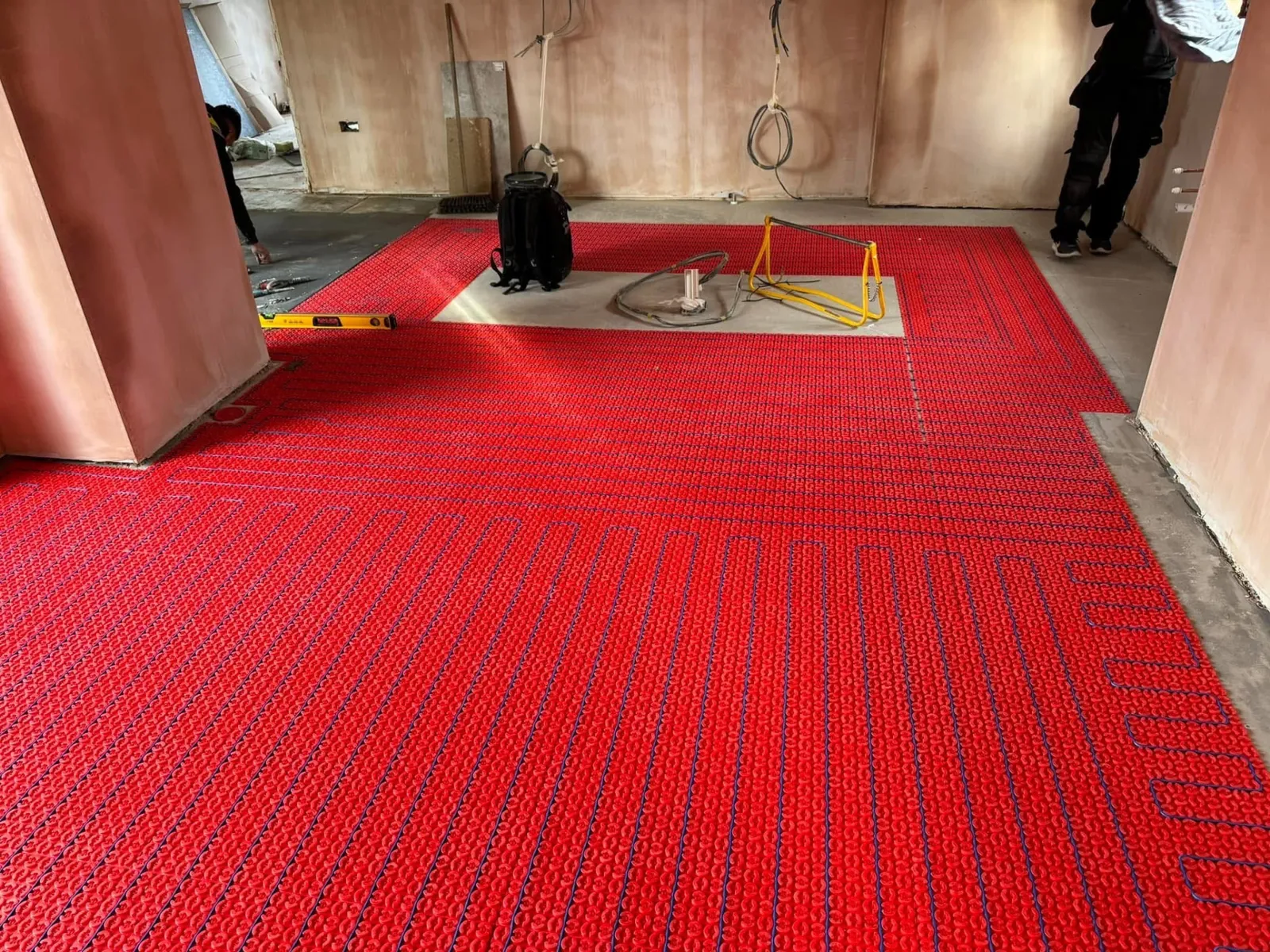
Photographs from jobs across Staffordshire and the West Midlands, all our own work, none of it stock imagery. Scroll along for more.
What customers say
Reviews from the electrical side of the business
Every review below was left for electrical work carried out as Stretton Electrical. We use them as proof of how we work, not as evidence of groundworks, aircon or building jobs.
“Done a full rewire and remodelling of my humble home and co-ordinated with other trades marvellously to pull it together.”
“I've used Stretton Electrical twice now and have been really pleased with the work. On both occasions the job was neat and the area left tidy.”
“Sam was great. He came as soon as possible and identified the issue immediately. He fixed it promptly and went above and beyond.”
Straight answers
Fuse Board Upgrades: questions we get asked
Cost, timescales, guarantees and availability, answered as plainly as we can.
How much does a new consumer unit cost?
We price on day rates plus materials, and the circuit count and condition of the installation change the time involved, so we do not publish figures. A survey gives you a firm price.
How long does a board change take?
A straightforward domestic change is usually a single day, with the power off for part of it. We tell you in advance roughly when and for how long.
Will you need to test everything?
Yes. Every circuit behind the new board is tested before it can be certified, that is a requirement, and it is also how pre-existing faults are discovered.
What if you find a fault during the work?
You hear about it as soon as we find it, with the options and the cost. We will not fit a board and certify an installation that the testing does not support.
Do I get a certificate?
Yes, and because we are NAPIT registered the notifiable work is registered through the scheme rather than left for you to arrange with Building Control.
Is surge protection necessary?
It depends on the installation and what is connected to it. We assess whether it is appropriate for your property and explain the reasoning rather than fitting it automatically.
How long will a new board last?
A modern board installed on a sound installation should serve for many years; what usually prompts replacement is a change in the regulations or a new circuit requirement rather than wear.
Is the work guaranteed?
Yes, a 1-year guarantee on all work, backed by £5m public liability, £10m employer's liability and £250,000 professional indemnity insurance.
Can you fit a charger or shower circuit at the same time?
Yes, and it is usually the sensible way to do it, one visit, one set of testing, and the board specified for the new load from the start.
Which areas do you cover?
Staffordshire and the West Midlands from Burntwood, including Lichfield, Cannock, Rugeley, Tamworth, Walsall and Sutton Coldfield.
Replace the fuse box and find out what is behind it
Send us the property details or call Sam. You will get a price for the board change and a straight account of what the testing may uncover.
Request an estimate
Tell us about the job
Send the details and we'll come back to you with a price for your specific job. If it's urgent, call instead, you'll get through to Sam or someone on the team.
- Phone
- 07812 971397
- info@stret.co.uk
- Hours
- 8am–6pm, Monday to Friday · occasional weekend work
- Covering
- Staffordshire and West Midlands, from our base in Burntwood