
Our services
EV Charger Installationin Burntwood & Surrounding Areas
A home charge point on its own protected circuit, fitted only after the supply, earthing arrangement and consumer unit have been assessed, installed, tested, certified and registered by a NAPIT registered electrician.
NAPIT registered · Supply assessed before quoting · 1-year guarantee
16 years
In the construction industry
NAPIT
Registered for electrical work
F-Gas
Certified for air conditioning
£5m
Public liability insurance
1 year
Guarantee on all trades
EV charger installation
A home charge point is a continuous high-demand load, so the question is never just where the unit goes, it's whether the incoming supply, the earthing arrangement and the consumer unit can carry it. We assess that before quoting.
What the work involves
Assessing the incoming supply, the earthing arrangement and the consumer unit; installing a dedicated circuit with the correct protection; mounting the charge point where you want it and routing the cable on a route agreed with you; then testing, certifying and registering the work through NAPIT.
A charge point is not a plug-in appliance. It is a continuous high-demand load, often the largest single sustained load in the house, which is why the question is never simply where the unit goes, but whether the existing installation can carry it safely.
Who it is for
Anyone with off-street parking who has bought or ordered an electric or plug-in hybrid vehicle. Households running two cars where a single charge point has to be shared, or where load management matters. Landlords adding a charge point to a rental property. And drivers currently using a granny lead from a domestic socket, which was never intended for repeated overnight charging at that duration.
When it is needed
Ideally before the car arrives, the assessment can find things that need attention first, and doing them in the right order is cheaper. It is also the right moment when the drive or the garden is being dug up: with groundworks as our other primary trade, ducting for the charge point cable can go in while the trench is already open rather than through finished paving later.
Other triggers: a consumer unit with no spare capacity, an earthing arrangement that needs verifying, or a board change already planned, in which case the charger circuit should be designed into the new board from the start.
Why the assessment comes first
Three things decide whether an installation is straightforward: the capacity of the incoming supply and main fuse, the earthing arrangement at the property, and whether the consumer unit has the space and the protection for a dedicated circuit. Charge points have specific requirements around earthing and residual current protection, and in some arrangements additional protective measures are needed.
Where the existing arrangement is not suitable, we tell you what is needed to make it suitable rather than fitting the charger and hoping. That is the difference between an installation that will be signed off and one that will not.
The assessment comes first
Where the existing earthing arrangement or consumer unit isn't suitable, we tell you what's needed to make it suitable rather than fitting the charger and hoping.
Sensible cable runs
We agree the route with you before we drill anything, and keep the run as discreet as the building allows.
What this covers
- Home charge point installation
- Supply and load assessment
- Dedicated circuit and protection
- Earthing arrangement checked and corrected
- Cable routing agreed with you
- Testing, certification and notification
What's at stake
What happens if it's left
Not scare tactics, these are the situations we are actually called out to fix, and what they cost once they escalate.
What goes wrong with a poor installation
Charging is a sustained load for hours at a time, so anything marginal in the circuit gets exposed. An undersized cable, a poor termination or a route with no allowance for heat builds temperature every night, and a connection that would survive a kettle can deteriorate under a car charging repeatedly.
Earthing is the other significant risk. Charge points have particular requirements because a person is outdoors, in contact with a vehicle, in wet conditions. An installation that ignores the earthing arrangement removes a protective measure that exists specifically for that scenario.
Costs and consequences of getting it wrong
Using a domestic socket and a granny lead as a long-term solution loads an accessory and circuit that were designed for intermittent use, which is why scorched plugs and sockets are a common finding. Fitting a charger onto a board with no capacity typically ends in nuisance tripping across the house and a second visit to do it properly.
Worst case, an installation done without certification or notification has to be inspected, corrected and re-certified later, and if the drive has been laid over an unducted cable route, that correction includes the paving.
Common mistakes we are called to
Chargers spurred from an existing circuit rather than given a dedicated protected one. Earthing arrangements not verified, so required protective measures are absent. Cable routed the shortest way rather than a way that can be maintained, then buried under new paving with no duct. And installations with no certificate, which creates a problem at sale and with insurers.
Our process
How the job runs, start to finish
The same sequence every time, so you know what happens next and when.
Step 1
Assess the supply
We check the main fuse and supply capacity, the earthing arrangement, the consumer unit and existing load before quoting anything.
Step 2
Agree position and route
Unit position, cable route and any ducting are agreed with you before we drill, with the run kept as discreet as the building allows.
Step 3
Make the installation suitable
Where the board, earthing or bonding needs work first, that is quoted and done as part of the job rather than ignored.
Step 4
Install the dedicated circuit
Correctly sized cable, dedicated protection, isolation, and the charge point mounted and connected to the manufacturer's requirements.
Step 5
Test, commission, certify
Circuit tested, unit commissioned and demonstrated, certification issued and notifiable work registered through NAPIT. 1-year guarantee.
What you get
What this actually gives you
Every job carries 1-year guarantee on all work and is covered by our insurance.
Assessed before it is quoted
Supply, earthing and board checked first, so the price reflects your property rather than a generic installation.
Its own protected circuit
A dedicated circuit with correct protection and isolation, so charging does not sit on a circuit shared with anything else.
Charging speed that suits the supply
Unit and circuit specified for what the supply can actually deliver, instead of a figure that the incoming fuse cannot support.
Cable runs you can live with
Routes agreed in advance, ducted where they cross ground we are digging anyway because groundworks is our other trade.
Certified and registered
Tested and certified with notifiable work registered through NAPIT, which matters for insurers and at resale.
Guaranteed and insured
1-year guarantee on all work, with £5m public liability, £10m employer's liability and £250,000 professional indemnity.
In detail
Materials, methods and variations
The specifics behind the work, for anyone who wants to know exactly what they're buying.
Methods and materials
Most domestic installations are a single-phase dedicated circuit to a wall-mounted unit. Cable is sized for the continuous load, the route and the installation method, with SWA used where the run is external or buried. Where the cable crosses ground, it goes in at the correct depth in duct with marker tape, and if we are already digging on the property, that duct goes in while the trench is open.
Protection is provided for the circuit, and the earthing arrangement determines what additional protective measures the charge point requires; some units include protective functions internally, and others require them to be provided in the installation. Isolation is fitted so the unit can be worked on safely, and the circuit is labelled at the board.
Variations of the work
A straightforward install where the board has capacity and the earthing arrangement is suitable. An install combined with a consumer unit upgrade, which is common and usually the sensible sequence. An install with groundworks, where a duct run to a detached garage, carport or parking space is part of the job. Two-unit installations, where load management between chargers becomes part of the design. And replacement of an existing unit, where the circuit and earthing are re-verified rather than assumed.
Situations this applies to
Houses with a drive or garage and a board that has spare capacity. Older properties where the earthing arrangement needs verifying before anything is added. Detached garages and outbuildings needing a supply run to them. Properties having their drive replaced, where ducting can be laid in advance for a car not yet bought. And rentals where the landlord is adding a charge point as a letting feature.
Domestic and workplace differences
Domestic installs are one unit, one circuit and a cable route somebody has to look at every day. Workplace and multi-bay installations bring in total load across several units, load management, cable containment and metering, and far more attention to the incoming supply capacity. The assessment discipline is the same; the scale of the load calculation is what changes.
If a charge point is being installed alongside other work, a board change, a rewire or groundworks, say so at quote stage and it will be sequenced so nothing is opened up twice.
Our work
A range of jobs we've carried out
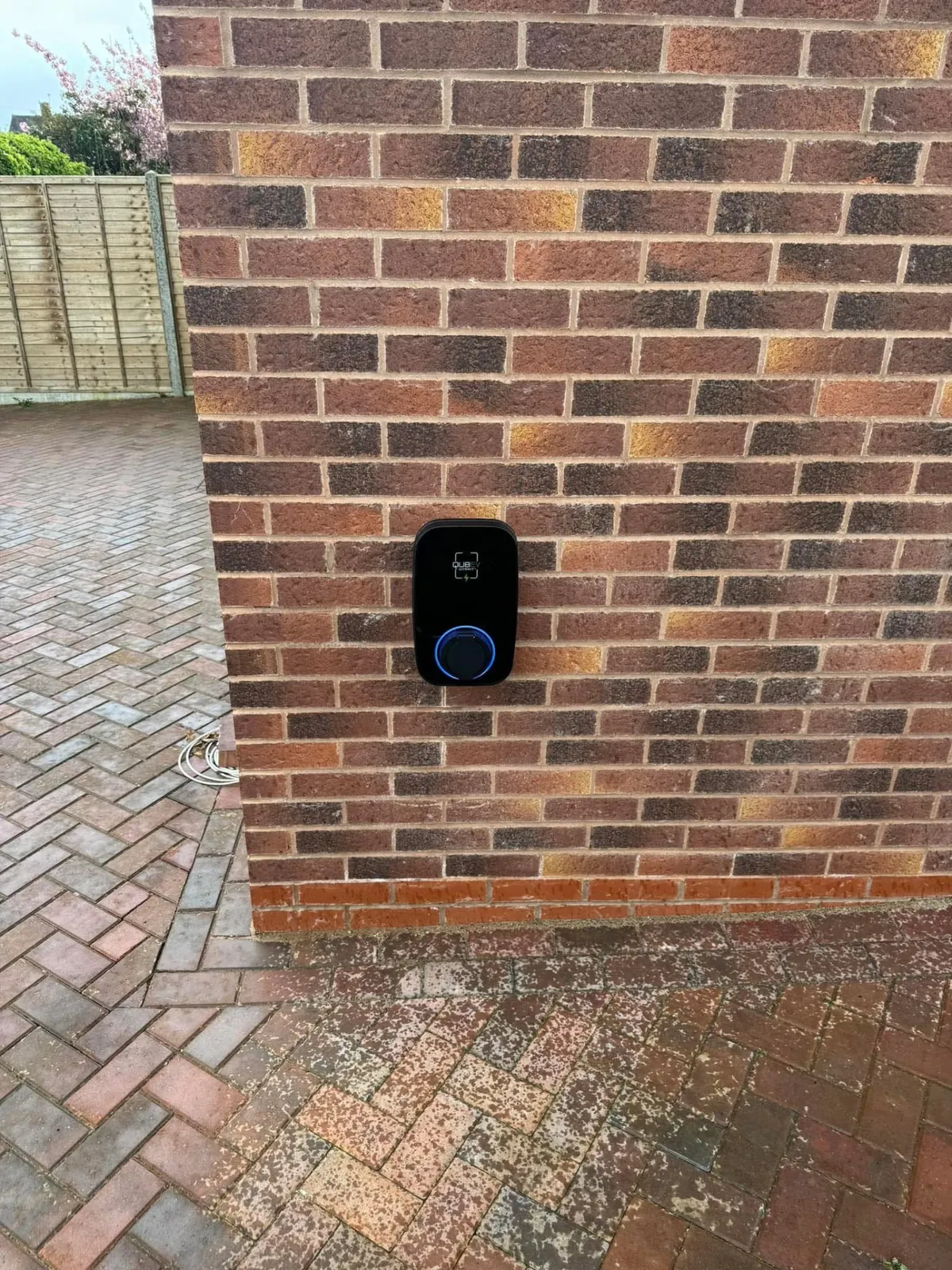
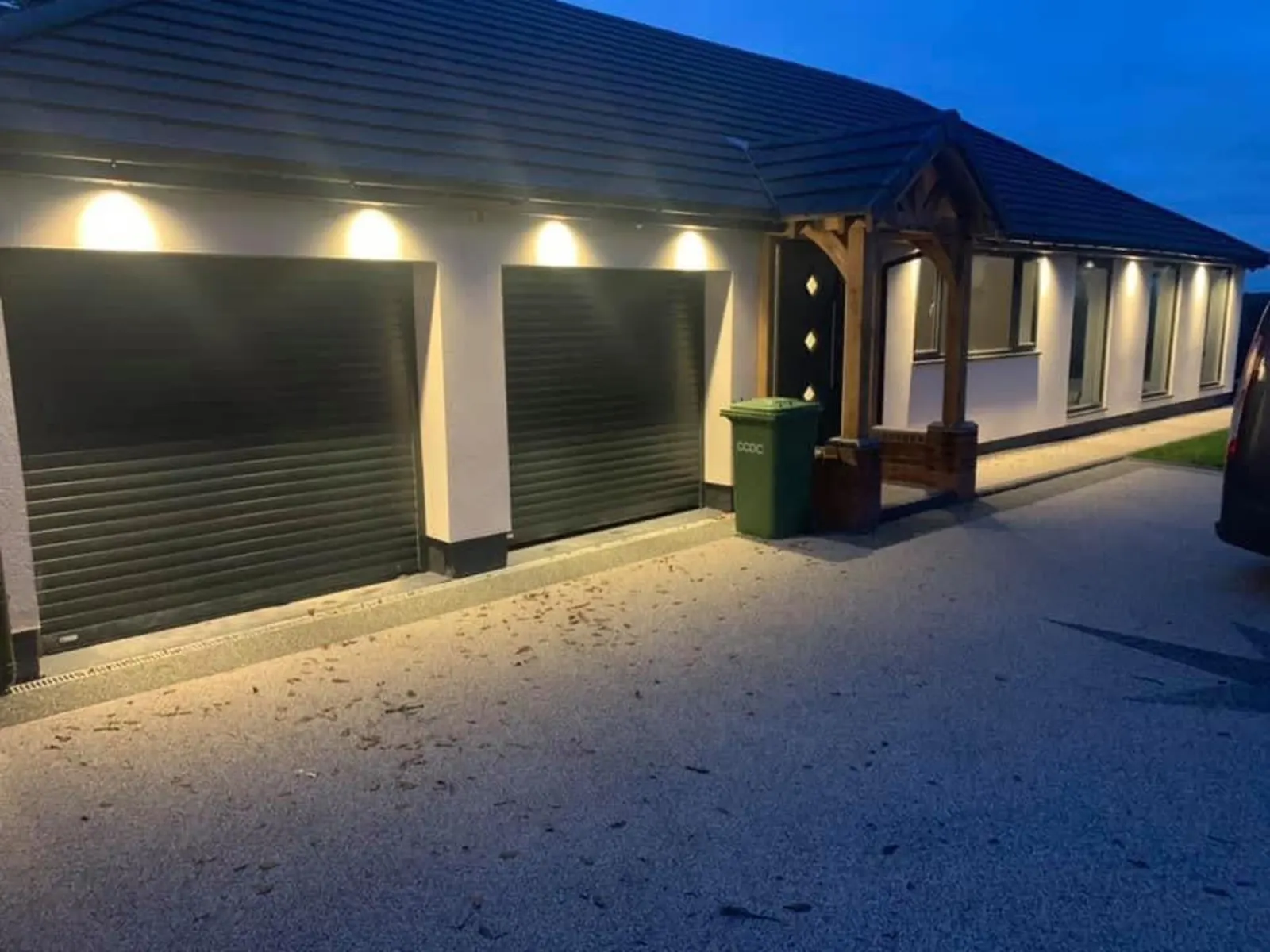
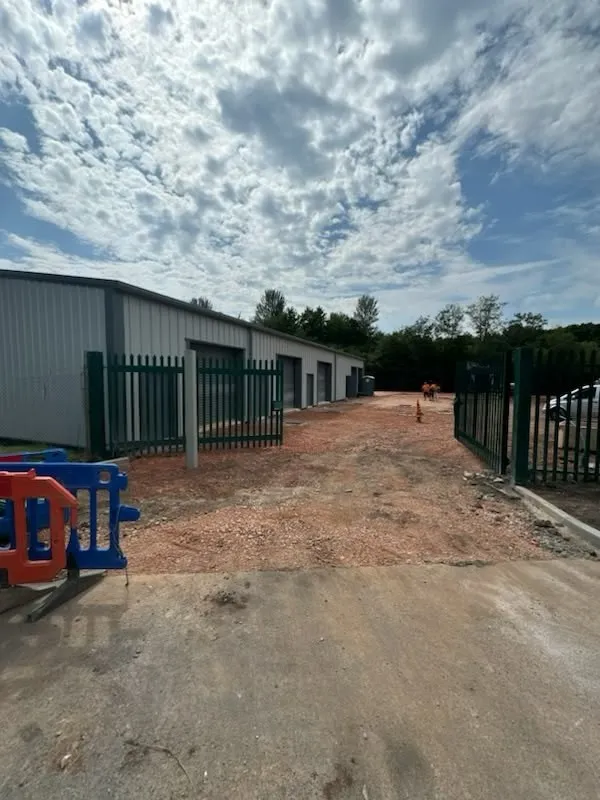
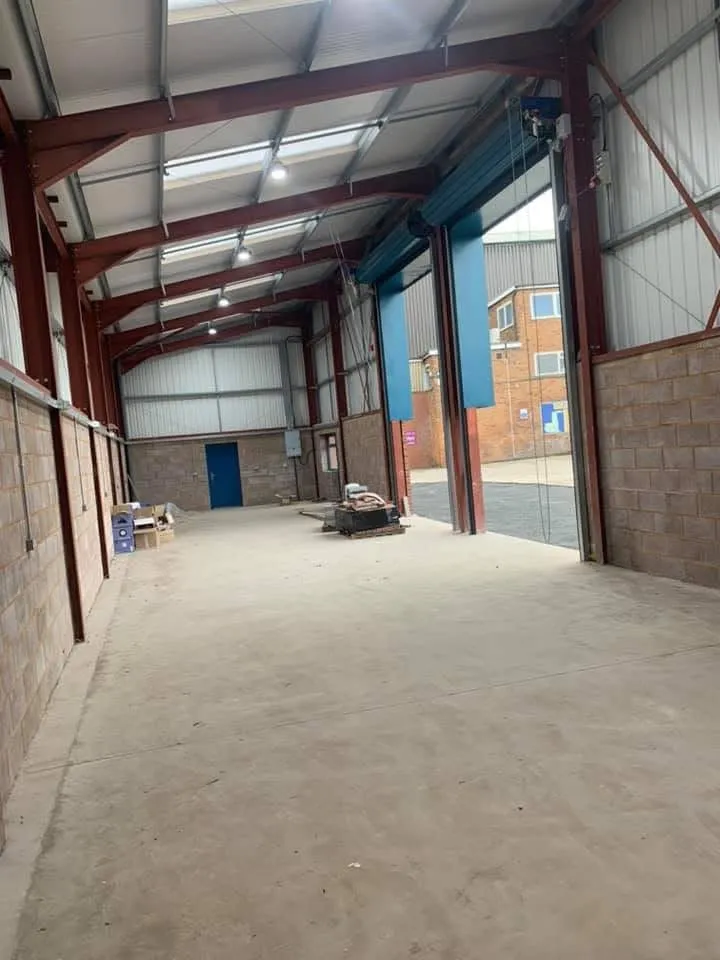
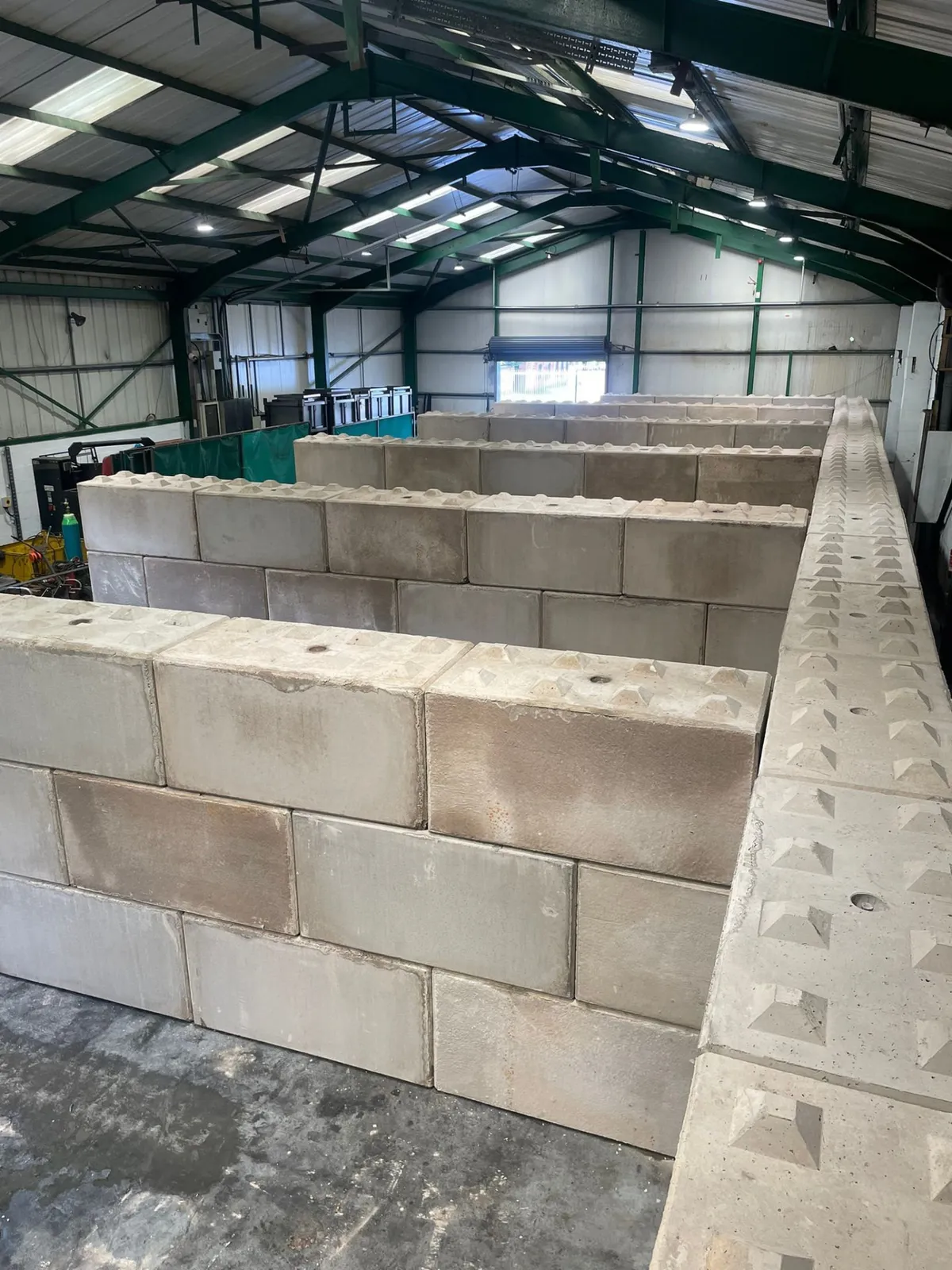
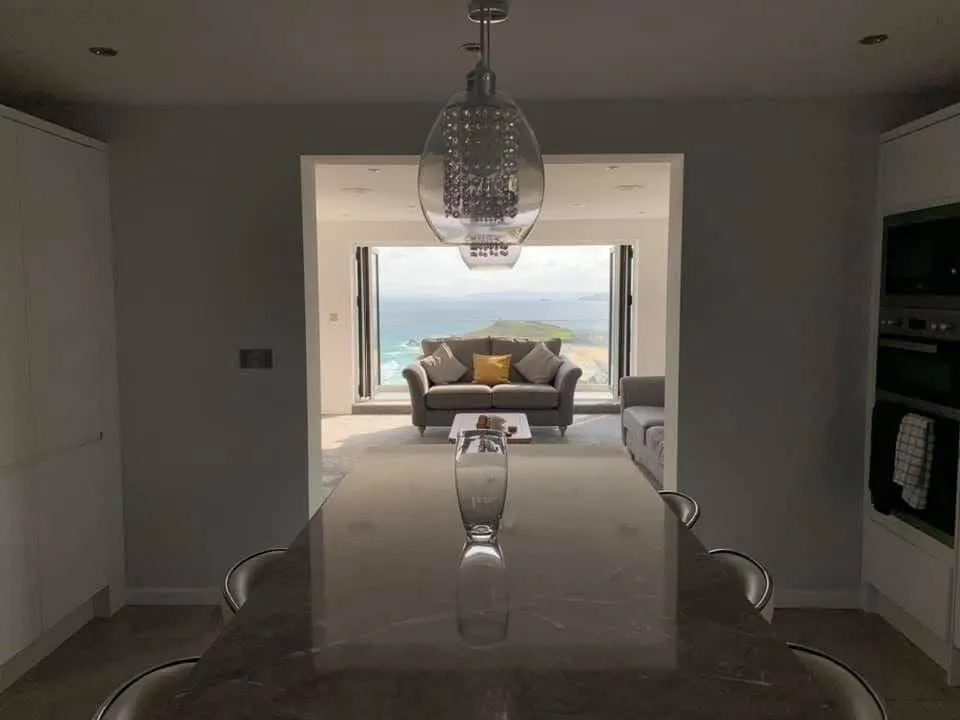
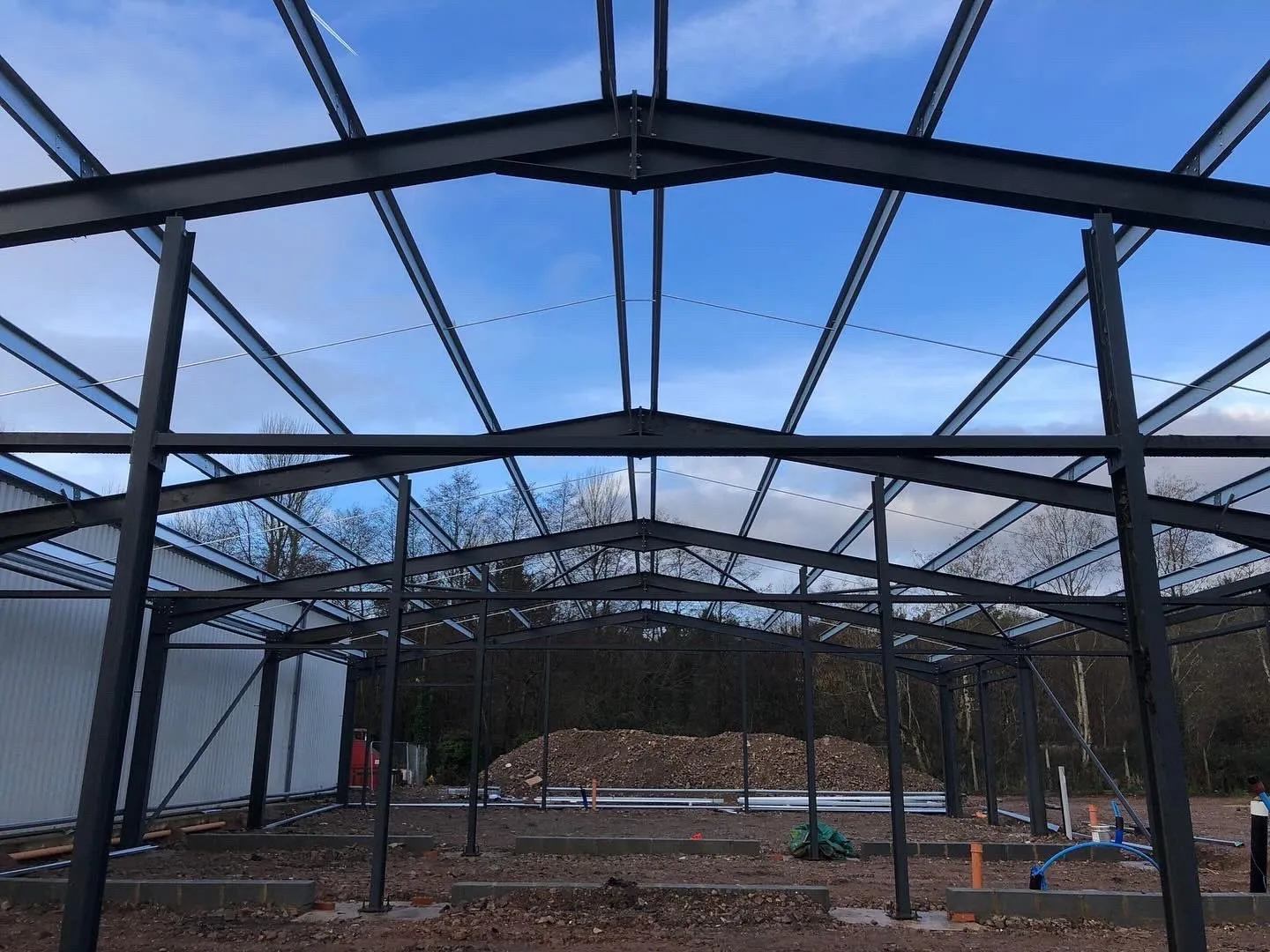
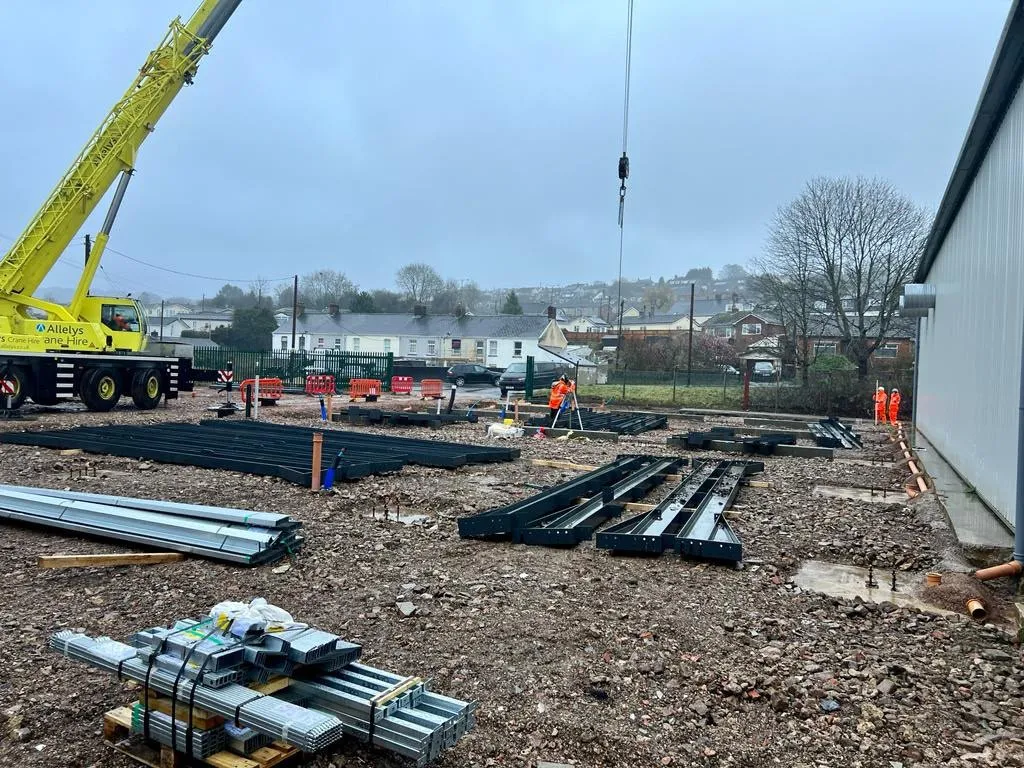
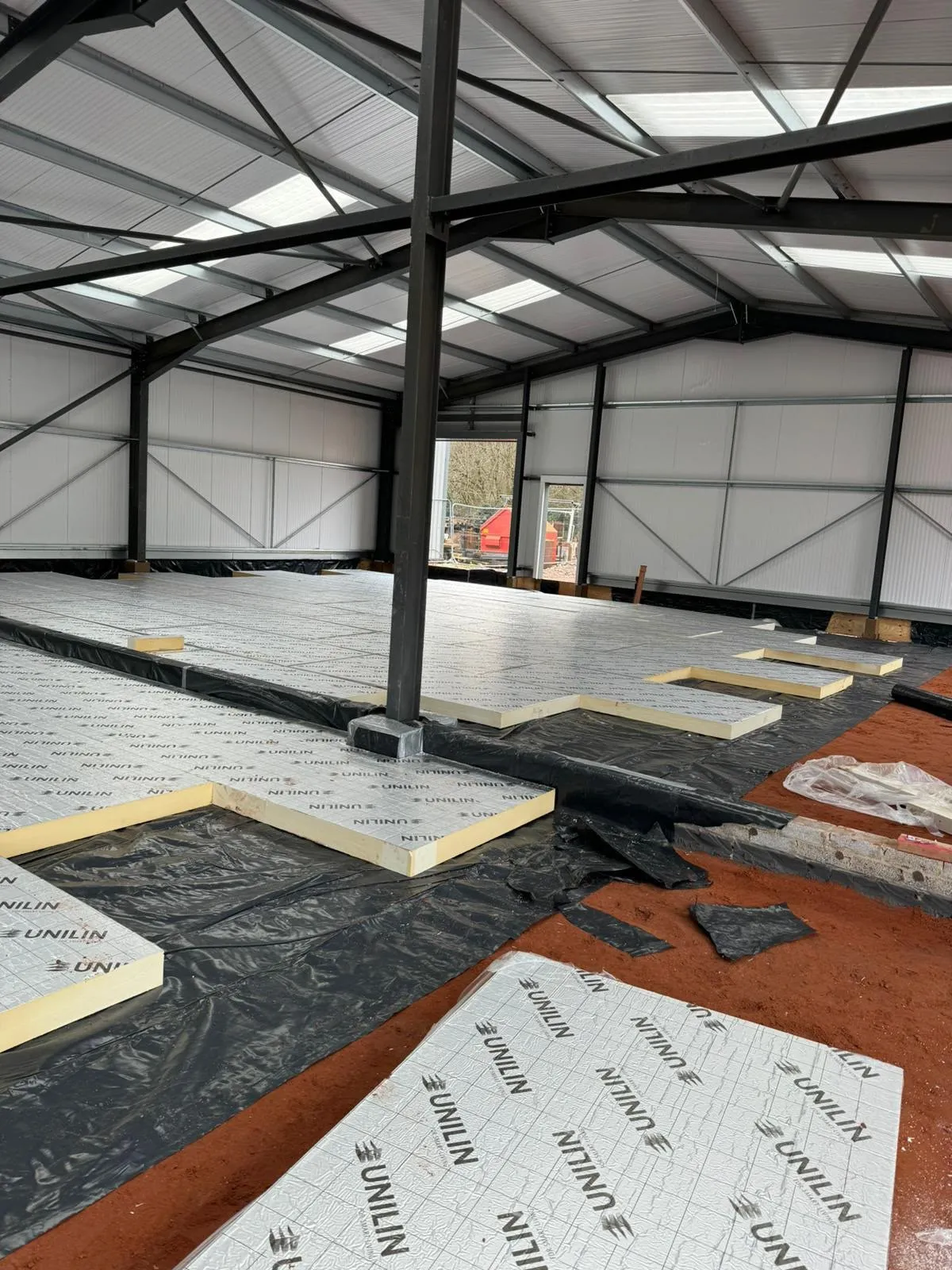
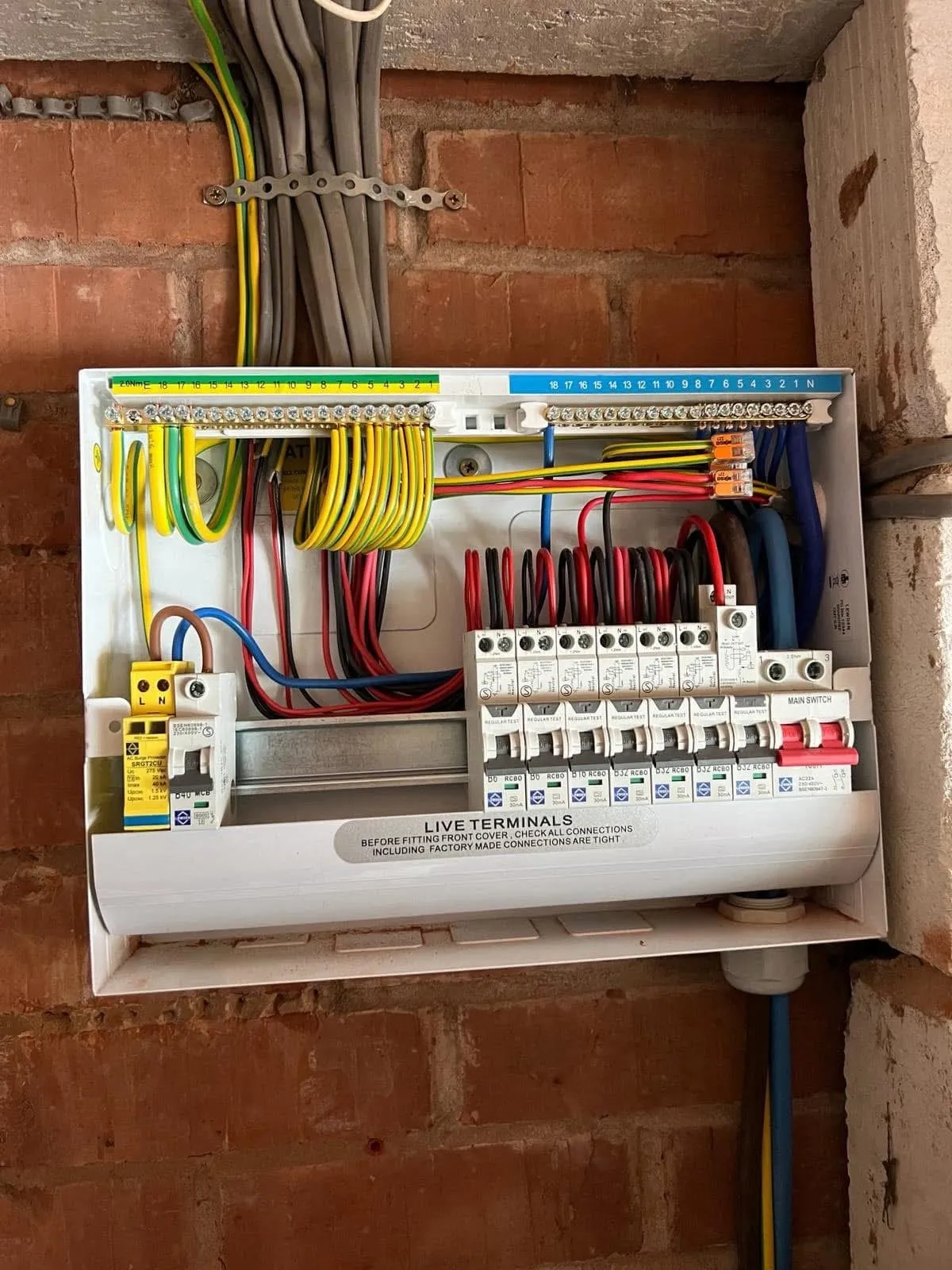
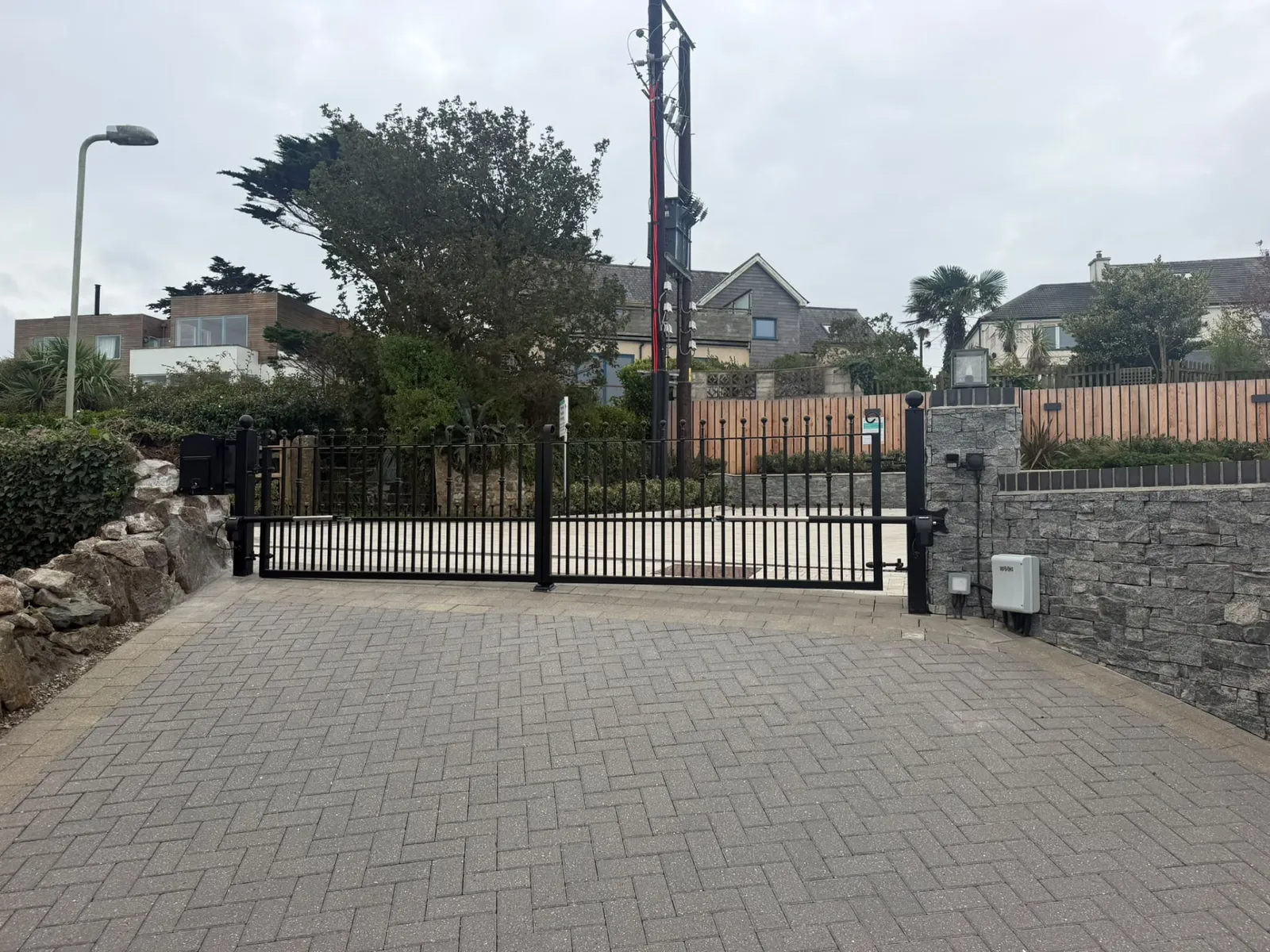
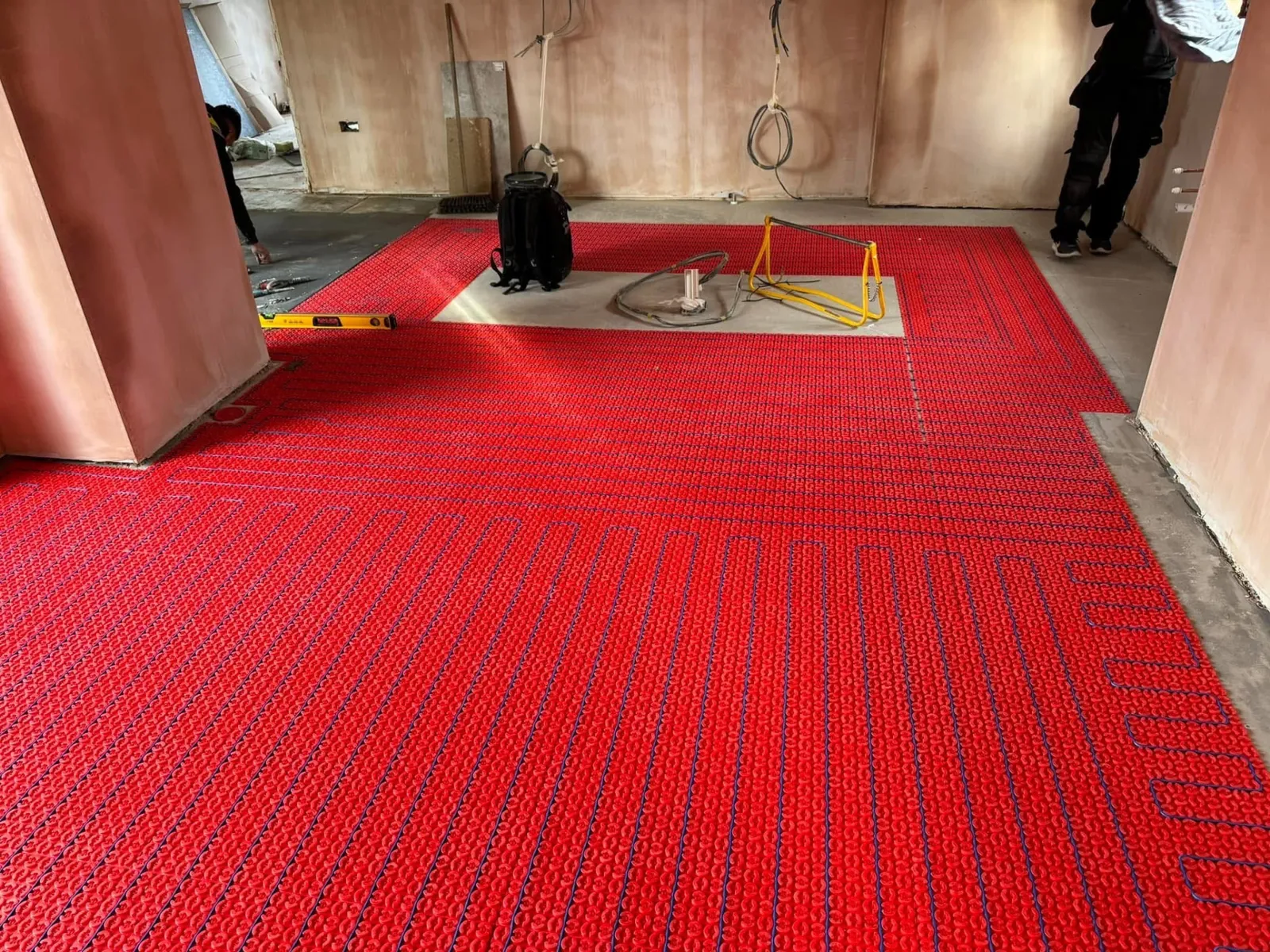
Photographs from jobs across Staffordshire and the West Midlands, all our own work, none of it stock imagery. Scroll along for more.



What customers say
Reviews from the electrical side of the business
Every review below was left for electrical work carried out as Stretton Electrical. We use them as proof of how we work, not as evidence of groundworks, aircon or building jobs.
“Done a full rewire and remodelling of my humble home and co-ordinated with other trades marvellously to pull it together.”
“I've used Stretton Electrical twice now and have been really pleased with the work. On both occasions the job was neat and the area left tidy.”
“Sam was great. He came as soon as possible and identified the issue immediately. He fixed it promptly and went above and beyond.”
Straight answers
EV Chargers: questions we get asked
Cost, timescales, guarantees and availability, answered as plainly as we can.
How much does EV charger installation cost?
We price on day rates plus the unit and materials, and the cable route, board capacity and earthing arrangement change the work required, so we do not publish figures. You get a price after the assessment.
How long does installation take?
A straightforward install is usually part of a day. Longer cable runs, ducting or a board upgrade extend it, and we tell you which applies before booking.
Do you check whether my supply can take it?
Always, and before quoting. Main fuse and supply capacity, earthing arrangement, existing load and board capacity are all assessed first.
What if my consumer unit is not suitable?
We tell you what needs doing and quote it. Frequently a board upgrade and the charger circuit are done together, which is cheaper than doing them separately.
Can you install a charger at a detached garage?
Yes. That needs a supply run to the building, often in SWA and duct, and because groundworks is our other primary trade we can dig and reinstate as part of the same job.
Do I get a certificate?
Yes, and notifiable work is registered through NAPIT. Keep it, insurers and buyers ask for it.
Can I use a normal socket instead?
For occasional charging only. A domestic socket and lead were never designed for repeated multi-hour charging, which is why scorched plugs and sockets are such a common finding.
How long should a charge point last?
Units are built for years of daily outdoor use, and the circuit behind them should long outlast the unit. What causes early failure is a marginal circuit rather than the unit itself.
Is the work guaranteed?
Our work carries a 1-year guarantee, alongside the manufacturer's warranty on the charge point itself. We are fully insured.
Which areas do you install in?
Staffordshire and the West Midlands from Burntwood, including Lichfield, Cannock, Rugeley, Tamworth, Walsall and Sutton Coldfield.
Get the supply assessed, then the charger fitted
Tell us the property, where you park and which car you are charging. We will assess the supply and come back with a price for the installation.
Request an estimate
Tell us about the job
Send the details and we'll come back to you with a price for your specific job. If it's urgent, call instead, you'll get through to Sam or someone on the team.
- Phone
- 07812 971397
- info@stret.co.uk
- Hours
- 8am–6pm, Monday to Friday · occasional weekend work
- Covering
- Staffordshire and West Midlands, from our base in Burntwood